gracezhang@yijiecool.com |
  English
 Español
 عربى
عربى


Heavy Duty Truck AC Condenser: Selection & Maintenance Guide
Content
Critical Role in Cab Comfort and System Longevity
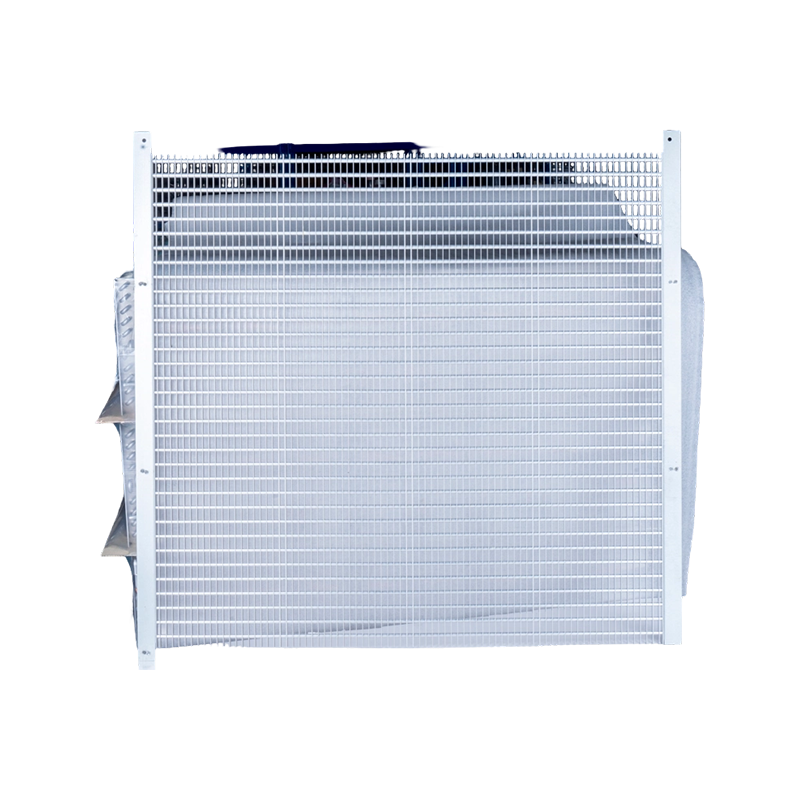
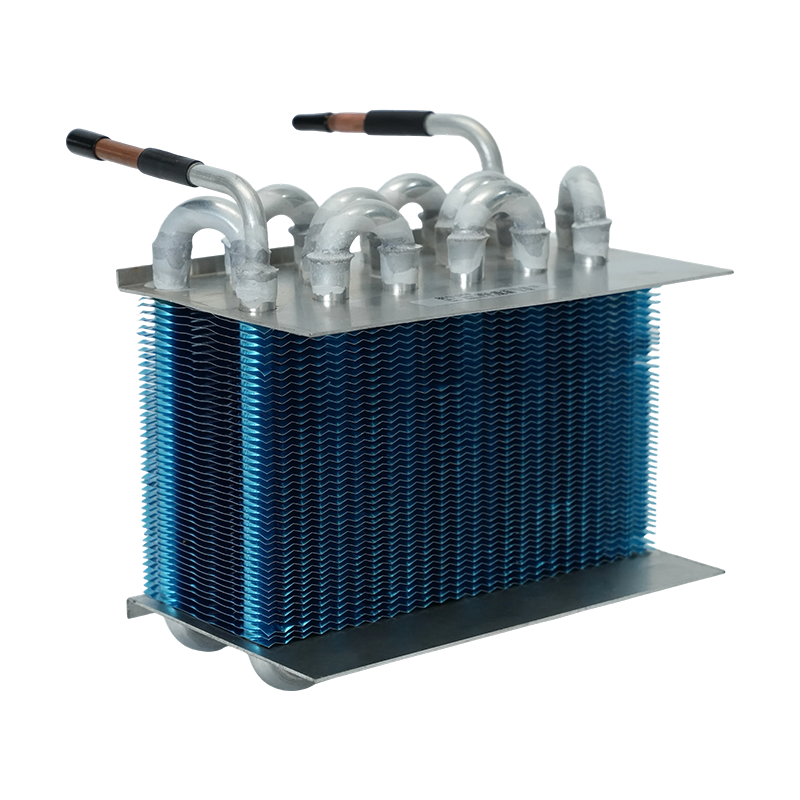
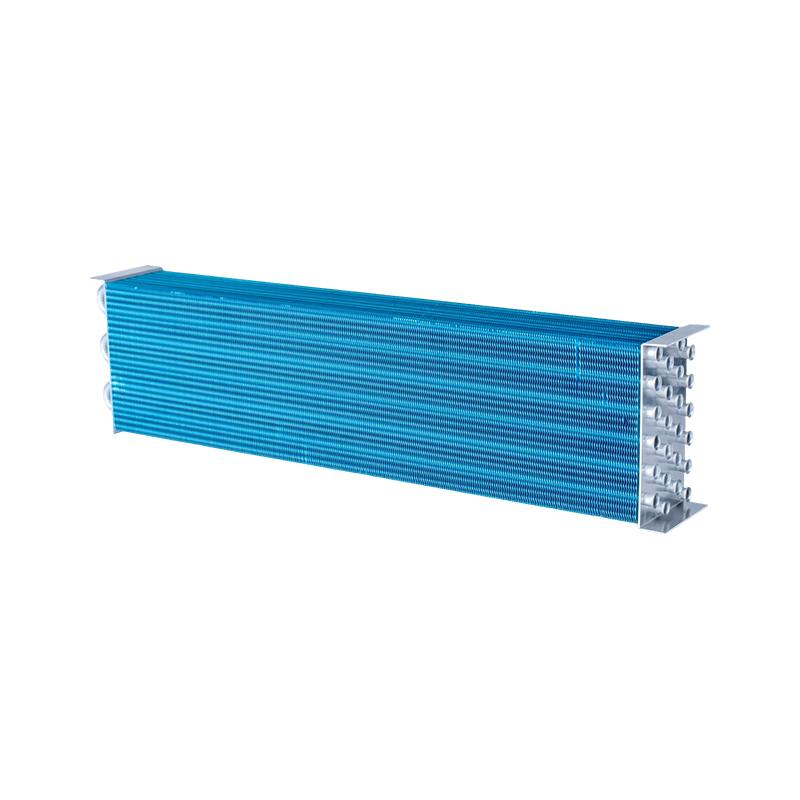
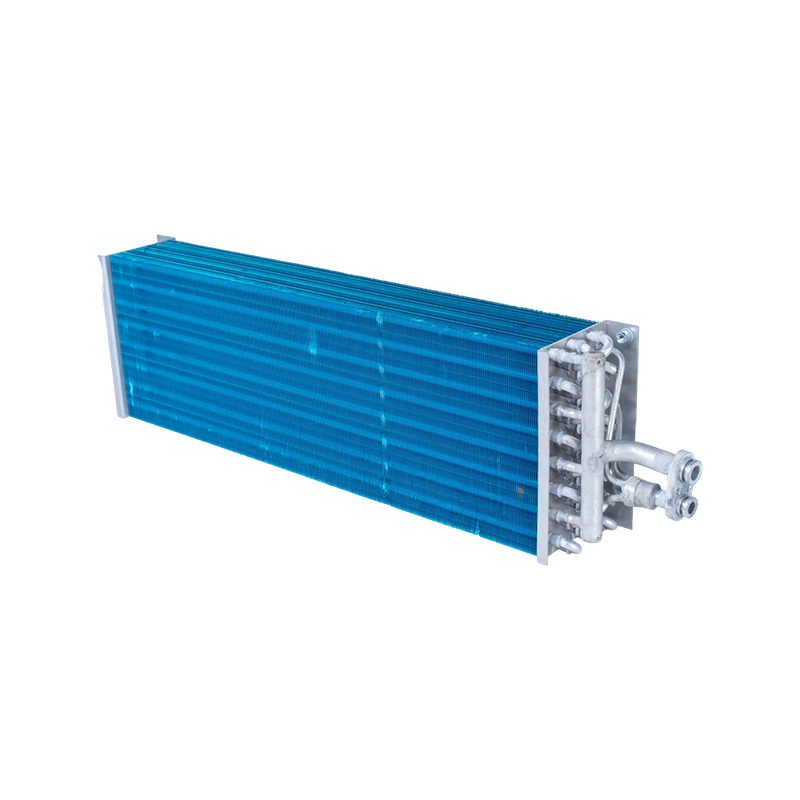
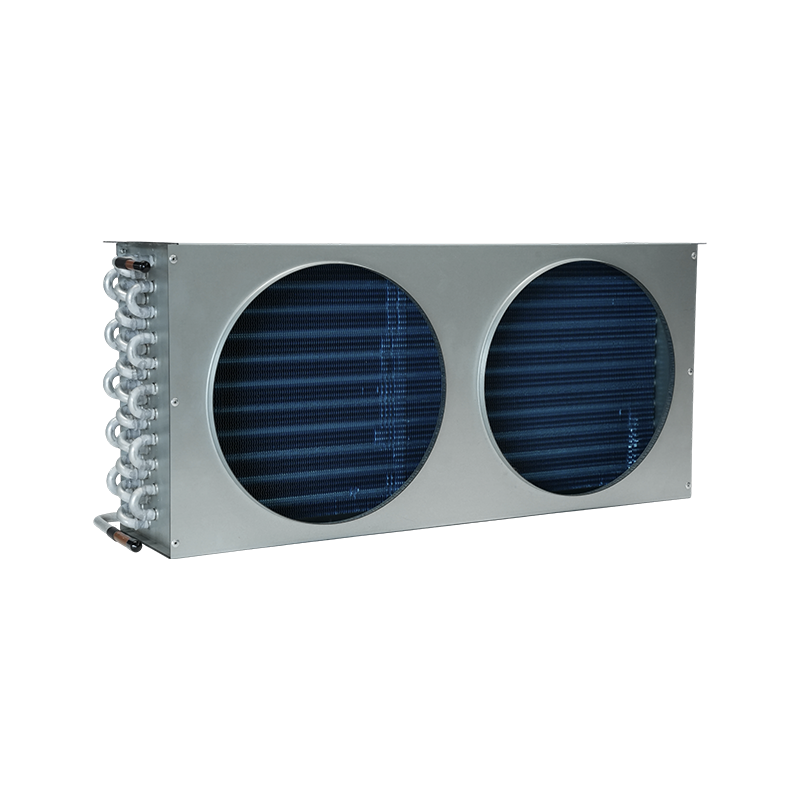
A heavy duty truck AC condenser is a high-capacity heat exchanger specifically engineered to reject engine bay thermal loads while maintaining cab cooling performance under extreme ambient conditions up to 55°C. Unlike automotive equivalents, these units feature reinforced aluminum construction with tube wall thicknesses of 0.8–1.2mm and fin densities optimized for low-speed airflow typical of idling or stop-and-go operations. Proper condenser function directly impacts compressor lifespan; every 5°C reduction in condensing temperature decreases compressor discharge pressure by approximately 35 psi, reducing mechanical stress and oil degradation rates significantly.
Fleet operators increasingly recognize condensers as preventive maintenance items rather than run-to-failure components. Proactive replacement intervals aligned with radiator service (typically 400,000–600,000 km) avoid costly roadside breakdowns where AC failure cascades into driver fatigue complaints, cargo temperature excursions in refrigerated units, or complete HVAC system contamination from internal corrosion products.
Design Specifications and Material Engineering
Multi-pass serpentine flow designs dominate modern heavy duty condensers, providing 20–30% higher heat transfer efficiency than older parallel-flow configurations by ensuring uniform refrigerant distribution across all tube circuits despite varying air inlet temperatures caused by stacked radiator/charge air cooler arrangements. Tube geometry has evolved from round to flat elliptical profiles, increasing surface area-to-volume ratio while reducing airside pressure drop by 15–25%, which preserves fan power for primary engine cooling duties during peak load conditions.
Material Selection Criteria
Harsh operating environments demand materials beyond standard automotive specifications. Corrosion resistance, vibration tolerance, and thermal cycling durability drive alloy and coating choices.
- Tube Alloy: AA3003 or AA3005 manganese alloys offer superior burst strength (>12 MPa) and formability versus AA1xxx series used in passenger vehicles.
- Fin Material: Hydrophilic-coated AA1100 fins prevent water retention and biological growth; uncoated fins corrode within 18 months in coastal/salty road environments.
- Header Tanks: Extruded aluminum with integrated reinforcement ribs withstand 4G vibration loads; stamped steel tanks add weight and create galvanic corrosion risks.
- Brazing Process: CAB (Controlled Atmosphere Brazing) with Nocolok flux produces leak-tight joints rated for R-404A/R-452A pressures exceeding 35 bar working pressure.
Maintenance Protocols and Failure Diagnostics
Condenser fouling accounts for 60–70% of heavy duty AC performance complaints, yet most fleets lack standardized cleaning schedules tied to operational severity. Units operating in agricultural, mining, or construction environments require monthly low-pressure washes; highway tractors may extend to quarterly intervals. Critical distinction: never use pressure washers exceeding 100 bar on fin surfaces, as this bends delicate louvered fins and permanently reduces airflow capacity by 25–40%. Always clean from interior outward to push debris back through original entry path rather than embedding it deeper.
Diagnostic Decision Matrix
Differentiating condenser issues from other system faults prevents unnecessary part replacements and repeat repairs.
| Symptom | Likely Condenser Issue | Verification Method |
|---|---|---|
| High head pressure at idle only | External fin blockage / fan clutch slip | Visual inspection + IR temp scan across face |
| High head pressure at all RPMs | Internal tube restriction / non-condensables | Subcooling measurement + refrigerant analysis |
| Oil streaks at tube-to-header joints | Vibration-induced braze joint fatigue | UV dye test + mounting bracket torque check |
| Rapid re-contamination after cleaning | Missing/degraded shroud seals | Smoke pencil test around perimeter gaps |
Replacement Strategy and Fleet Specification Standards
Specify OEM-equivalent or premium aftermarket condensers with documented salt spray testing exceeding 500 hours; budget units often fail corrosion validation at 200–300 hours, leading to warranty claims and driver dissatisfaction well before scheduled overhaul intervals. Verify dimensional compatibility including mounting points, hose fitting orientations, and clearance to adjacent components; even 5mm deviations cause installation delays and potential chafing failures. Request manufacturer test reports confirming heat rejection capacity matches original equipment specifications at designated airflow and entering air temperature conditions.
Integrate condenser inspection into existing PM schedules using standardized checklists that document fin condition, mounting hardware torque, and shroud integrity. Photograph documentation creates baseline records for trend analysis and supports warranty claims when premature failures occur. For fleets operating in severe environments, consider upgrading to epoxy-coated or zinc-flake protected condensers despite 15–25% cost premium; lifecycle cost analyses consistently show payback within 24 months through extended service intervals and reduced unscheduled downtime. Always replace receiver-driers and expansion valves concurrently with condenser service to prevent cross-contamination from accumulated moisture and particulates.