gracezhang@yijiecool.com |
  English
 Español
 عربى
عربى


Will a Bigger AC Condenser Improve Performance? Expert Guide
Content
Direct Answer: Impact of Upsizing an AC Condenser
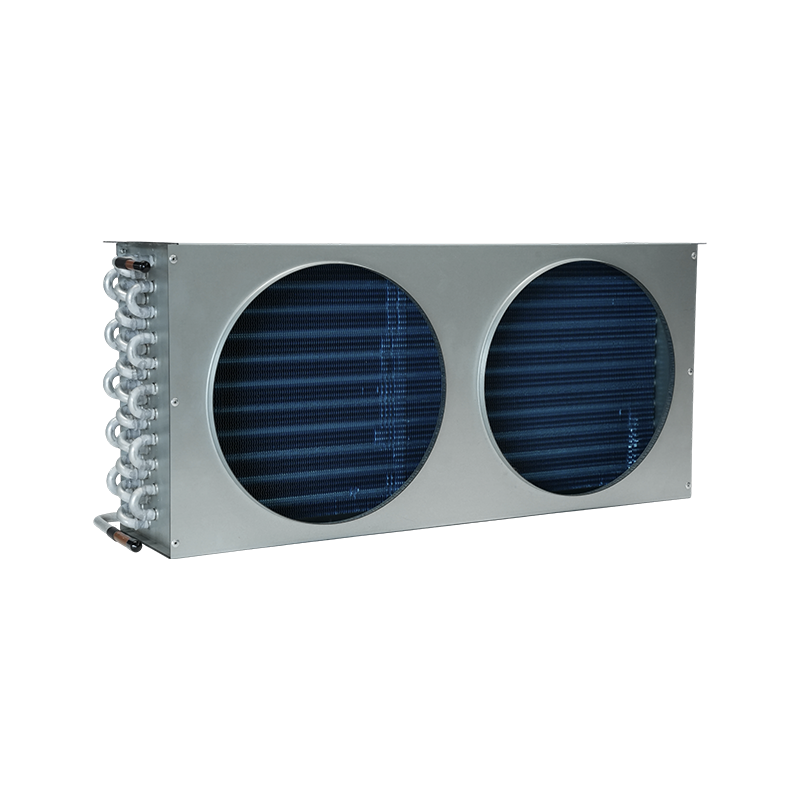
A bigger AC condenser can make a positive difference in system efficiency and cooling capacity, but only when properly matched to the existing evaporator coil and compressor specifications. Simply installing a larger outdoor unit without verifying compatibility often leads to reduced performance, higher energy bills, and premature component failure due to refrigerant flow imbalances. When correctly sized by a licensed HVAC technician using Manual J load calculations and manufacturer matching guidelines, an upgraded condenser may deliver 10–20% improvement in SEER ratings and better dehumidification in hot climates. However, oversizing beyond 15–20% of design capacity typically causes short cycling, inadequate moisture removal, and comfort complaints that negate any theoretical gains from increased surface area.
How Condenser Size Affects System Thermodynamics
The condenser’s primary function is rejecting heat absorbed indoors plus compression work back to the outside air. Its physical size directly influences subcooling levels, head pressure, and overall cycle efficiency—but within strict operational boundaries defined by the rest of the refrigeration circuit.
- Heat Rejection Capacity: Larger condensers provide greater surface area for heat transfer, lowering discharge pressures and reducing compressor workload under high ambient conditions (95°F+).
- Subcooling Enhancement: Adequate condenser size ensures liquid refrigerant exits fully condensed with 8–12°F subcooling; undersized units produce flash gas that reduces effective cooling capacity at the metering device.
- Airflow Requirements: Bigger coils demand proportionally higher CFM; insufficient fan airflow negates size advantages and creates hot spots that degrade performance below smaller-unit benchmarks.
- Refrigerant Charge Sensitivity: Oversized condensers require precise charge adjustments; even 10% overcharge can flood the compressor with liquid refrigerant during low-load operation, causing catastrophic damage.
These thermodynamic relationships explain why manufacturers publish specific "matched system" listings. Deviating from approved combinations voids warranties and violates AHRI certification standards that validate published SEER/EER ratings.
Risks and Consequences of Improper Upsizing
Bigger is not inherently better in HVAC; mismatched components create systemic failures that manifest as comfort issues, equipment damage, or regulatory non-compliance. The following table outlines common problems arising from unverified condenser upgrades:
| Issue | Cause | Symptom | Long-Term Impact |
|---|---|---|---|
| Short Cycling | Capacity exceeds load >20% | On/off cycles <10 minutes | Compressor burnout in 3–5 years |
| Poor Dehumidification | Evaporator doesn’t reach dew point long enough | Clammy indoor air, mold growth | Indoor air quality degradation |
| Liquid Floodback | Excess subcooling + low load | Slugging noise, oil dilution | Catastrophic compressor failure |
| Frozen Evaporator Coil | Mismatched TXV/orifice sizing | Ice buildup, no cooling | Blower motor strain, water damage |
| Warranty Voidance | Non-AHRI matched system | Manufacturer denies claims | Full replacement cost liability |
Why Manual J Load Calculation Is Non-Negotiable
Rule-of-thumb sizing based on square footage alone ignores critical variables like insulation R-values, window SHGC coefficients, infiltration rates, and internal heat gains. A 2,000 sq ft home with modern construction may need only 2 tons while a leaky vintage structure requires 3.5 tons. Only ACCA Manual J analysis accounts for these factors to determine true tonnage needs before evaluating condenser upgrade viability.
When Upgrading Makes Sense: Valid Scenarios
Despite risks, legitimate situations exist where a larger condenser delivers measurable benefits. These require professional verification and often concurrent modifications to other system components:
- Home Addition or Renovation: Added square footage or changed envelope characteristics increase cooling load beyond original design; upsizing compensates for verified new demand.
- High Ambient Climate Zones: Regions regularly exceeding 100°F benefit from oversized condensers that maintain capacity derating margins; standard units lose 15–25% output at extreme temperatures.
- Efficiency Retrofit Packages: Pairing a moderately larger condenser with new variable-speed blower and communicating thermostat enables staged operation that avoids short cycling pitfalls.
- Commercial Process Cooling: Industrial applications with stable, high-load profiles tolerate oversizing better than residential comfort cooling due to continuous runtime preventing cycle-related issues.
In all valid cases, the upgrade must include updated refrigerant charging procedures, potential metering device changes, and documentation of AHRI reference numbers proving system match. Never accept verbal assurances of compatibility; insist on written manufacturer approval or third-party certification before proceeding. Budget $300–$600 for proper commissioning including superheat/subcooling verification and airflow measurement to ensure the investment yields promised returns rather than costly callbacks.