English
 Español
 عربى
عربى


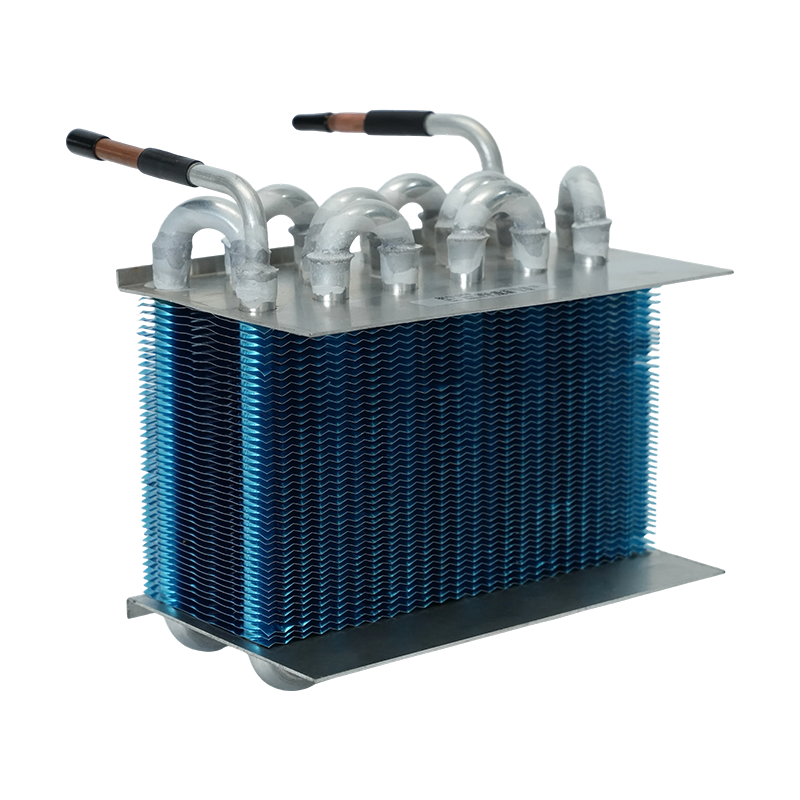
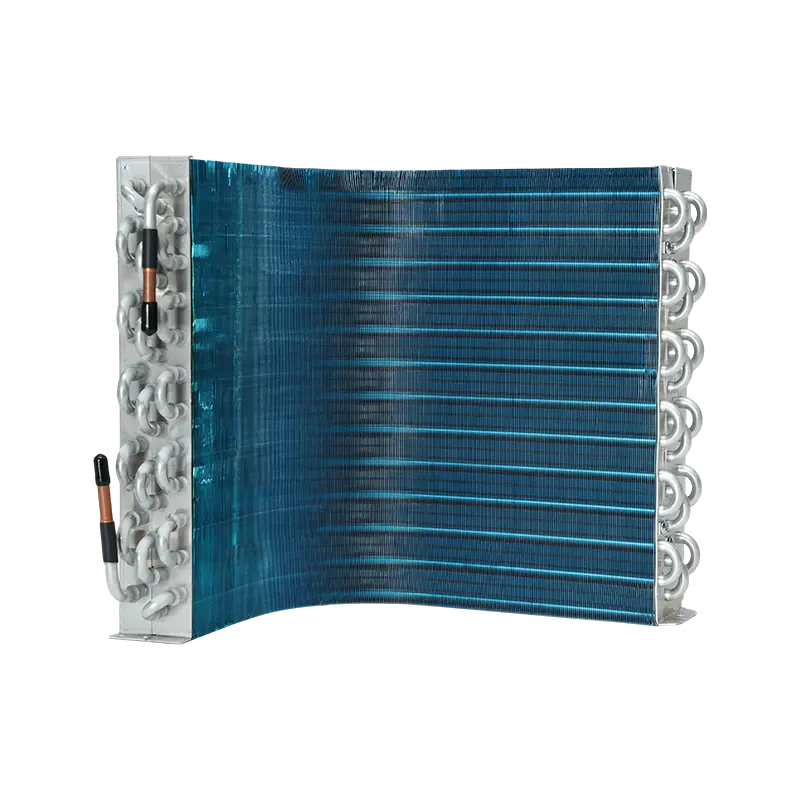
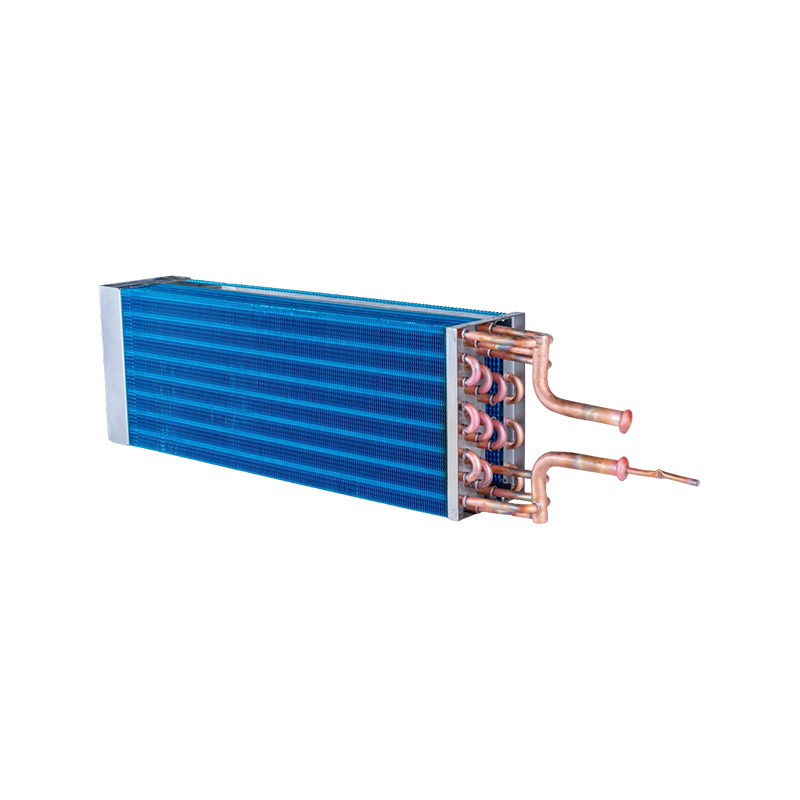
Core Dimensions: 147 (L) x 50.8 (W) x 200 (H) mm
Mold Size: 7 x 21 x 12.7 mm
Fin Type: Hydrophilic louvered fins (fin spacing 1.5 mm, fin thickness 0.105 mm)
Material: All-copper construction (1 mm galvanized sheet metal)
The company's main products are aluminum tube type two-phase heat exchangers. Custom All-Aluminum Outdoor AC Evaporator Factory.

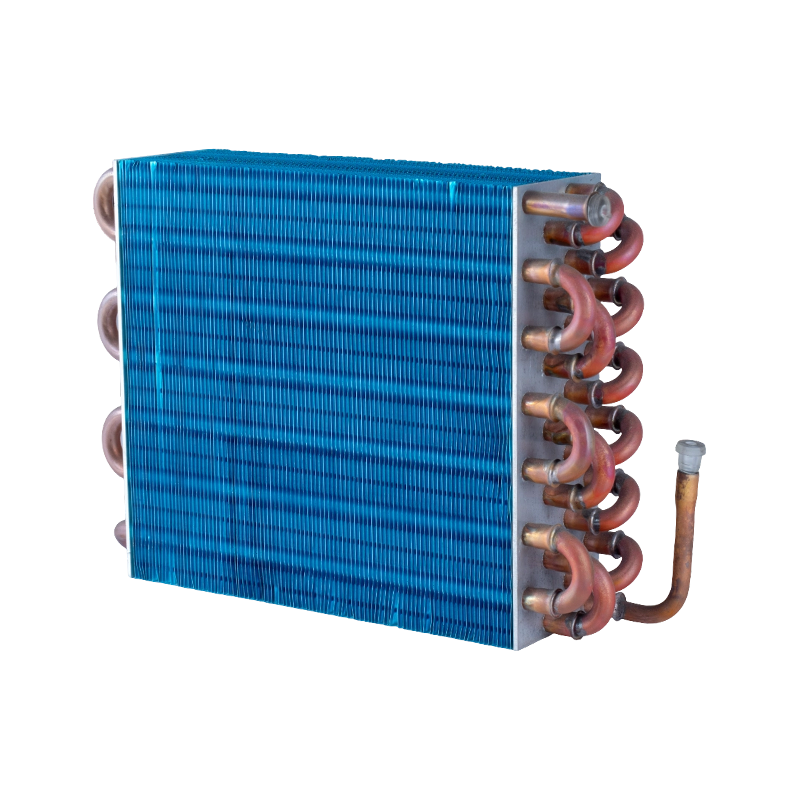
Core Dimensions: 147 (L) x 50.8 (W) x 200 (H) mm
Mold Size: 7 x 21 x 12.7 mm
Fin Type: Hydrophilic louvered fins (fin spacing 1.5 mm, fin thickness 0.105 mm)
Material: All-copper construction (1 mm galvanized sheet metal)
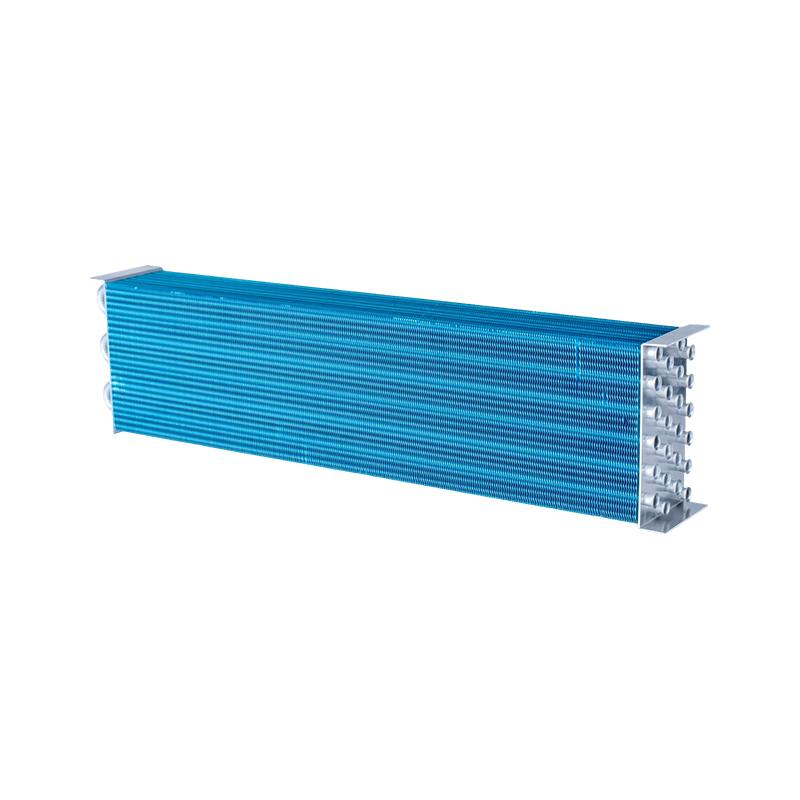
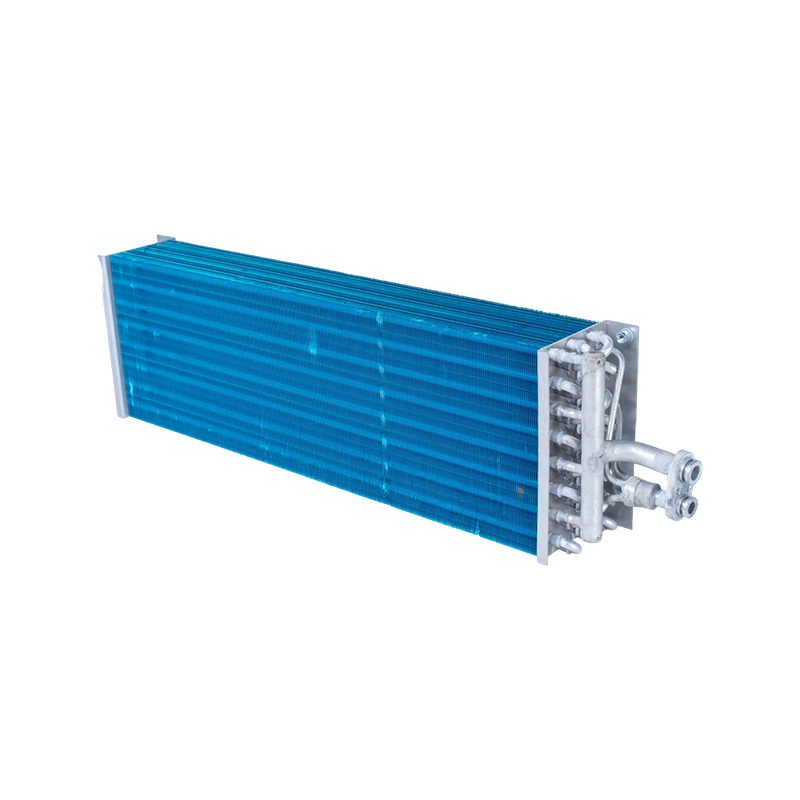
The all-aluminum Outdoor AC Evaporator is engineered to provide reliable, high-performance cooling for a wide range of outdoor air-conditioning systems.
Its core measures 231 mm in length, 381 mm in width, and 215 mm in height, with mold dimensions of 7 × 21 × 12.7, delivering a compact yet robust structure that is easy to integrate into outdoor units while ensuring efficient heat exchange.
The evaporator features hydrophilic window panes with a 1.4 mm spacing and 0.105 mm thickness, which significantly increase the heat transfer area and enhance condensate drainage.
This design allows the unit to maintain stable and efficient cooling performance even under high humidity or demanding environmental conditions.
The core is constructed entirely from high-quality copper, ensuring excellent thermal conductivity and fast, consistent heat absorption.
Complemented by a 1.5 mm aluminum sheet metal, the evaporator is lightweight, corrosion-resistant, and durable, capable of withstanding harsh outdoor climates without compromising performance.


A buyer compares two quotes for the same duty: a 9 kW direct-expansion evaporator for a rooftop unit. One supplier ships in 21 days, the other in 45. The price gap is 34 percent. Both drawings show the same face area, the same fin spacing, and the same tube diameter. The difference hides in three l...
READ MOREA maintenance technician stops in front of a rooftop unit that is blowing warm air on a hot afternoon. The filter is clean, the thermostat is correctly set, and both fans are running. The problem is almost certainly inside the sealed refrigerant loop. That loop, repeated in nearly every air conditi...
READ MOREWhen a chiller leaves the factory, its efficiency, reliability and operating cost have already been determined by a small set of design choices. The most consequential of those choices sit inside the refrigerant circuit: the evaporator, where heat is absorbed from the building water loop, and the c...
READ MOREAn All-Aluminum Outdoor AC Evaporator offers an effective solution for manufacturers seeking lightweight construction, improved manufacturing efficiency, and long-term durability. Unlike mixed-material heat exchangers, an all-aluminum structure minimizes material compatibility issues while reducing overall system weight. This is especially valuable for modern air conditioning equipment where transportation costs, installation convenience, and energy efficiency are becoming increasingly important.
Advances in aluminum processing technologies have also enabled outdoor evaporators to achieve high thermal conductivity while maintaining excellent mechanical strength. Optimized tube geometry and fin configurations further enhance heat exchange performance without requiring larger installation space.
Outdoor air conditioning components are continuously exposed to rain, humidity, airborne dust, temperature fluctuations, and in some regions, salt-laden coastal air. These environmental factors can gradually reduce heat transfer efficiency if corrosion resistance is insufficient. Therefore, evaluating durability through standardized testing has become an important criterion when selecting evaporator coils.
Hangzhou Yijie Refrigeration Technology Co., Ltd. has accumulated 12 years of deep expertise in heat exchangers and holds multiple core technologies. The company adopts high-performance aluminum tube technology that breaks through the limitations of traditional copper material. This innovation reduces material costs by more than 30% while offering significant advantages in mass production. Its products have successfully passed 500-hour standard salt spray tests and 50,000 pressure cycle verification, with corrosion resistance and compressive strength that far exceed national standards.
| Engineering Factor | Performance Impact |
| Tube internal structure | Improves refrigerant distribution and heat transfer efficiency |
| Fin spacing | Balances airflow resistance and cooling performance |
| Coil geometry | Optimizes heat exchange within limited installation space |
| Surface durability | Maintains long-term operating reliability in outdoor environments |
When these engineering elements are properly balanced, an outdoor evaporator can deliver stable cooling performance while minimizing maintenance requirements over years of operation.
The efficiency of an outdoor evaporator directly influences compressor workload and refrigerant circulation efficiency. Better heat transfer allows compressors to operate under more favorable conditions, reducing unnecessary power consumption and improving seasonal energy efficiency. For residential and commercial air conditioning systems, even small improvements in heat exchanger performance can translate into measurable reductions in electricity usage over extended operating periods.
Engineers therefore focus not only on maximizing heat transfer but also on maintaining stable airflow, reducing refrigerant pressure loss, and ensuring uniform temperature distribution throughout the coil surface.
Heat exchanger performance requirements vary considerably across different industries, making application experience an important advantage. Hangzhou Yijie Refrigeration Technology Co., Ltd. has developed strong custom service capabilities by supplying heat exchangers for household AC, automotive AC, dehumidifiers, cold chain systems, eco-friendly equipment, machine rooms, and warehouses. This broad engineering experience enables the company to optimize All-Aluminum Outdoor AC Evaporator solutions for diverse operating environments while maintaining high manufacturing consistency, reliable thermal performance, and long-term operational stability across multiple cooling applications.
 All-Aluminum Outdoor AC Evaporator Manufacturers