Industry knowledge
Material Selection Is Reshaping the Future of Automotive Heat Exchangers
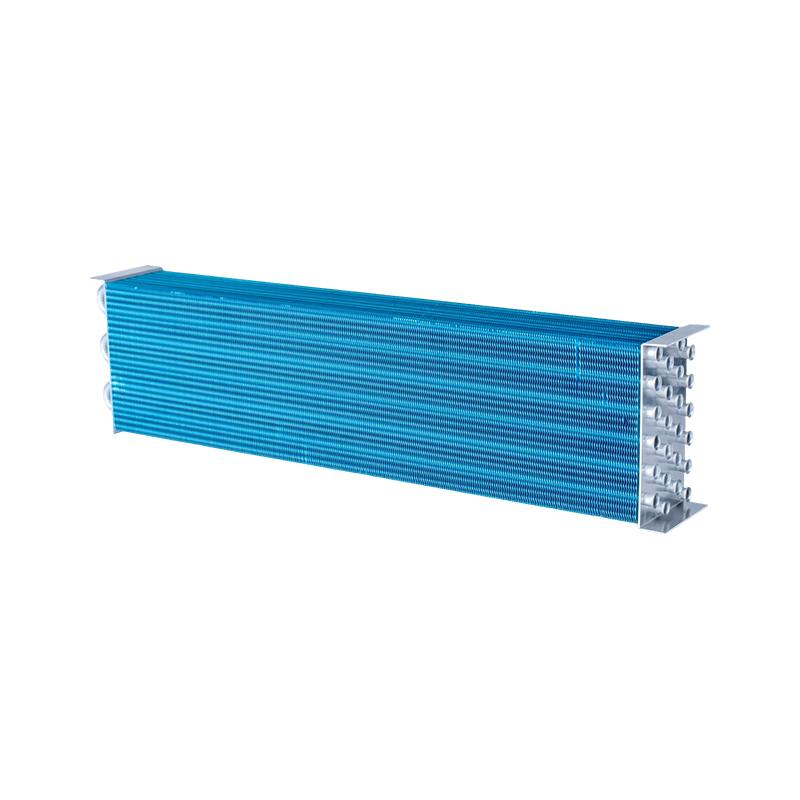
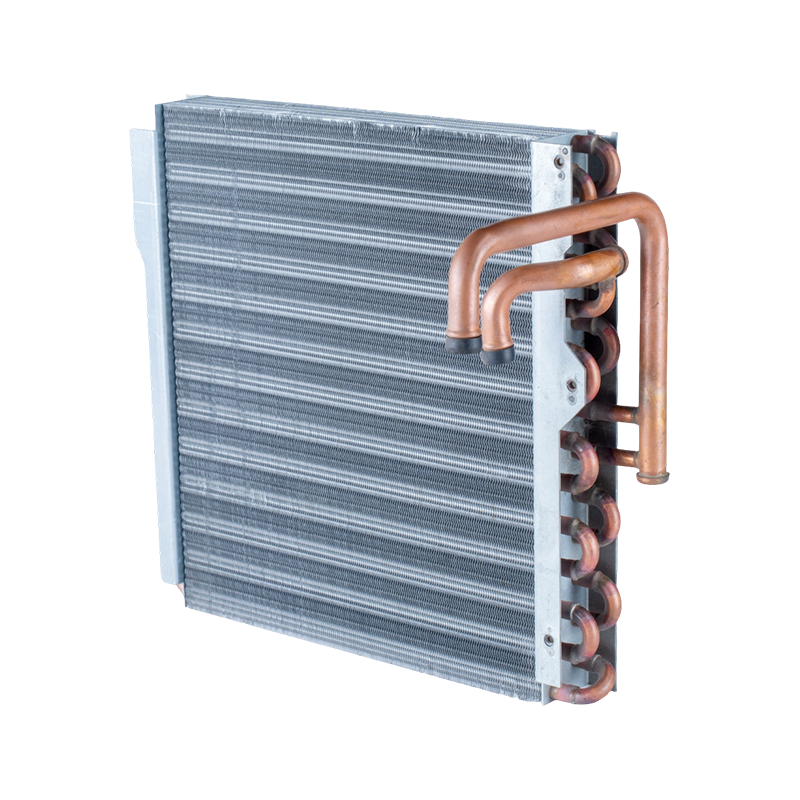
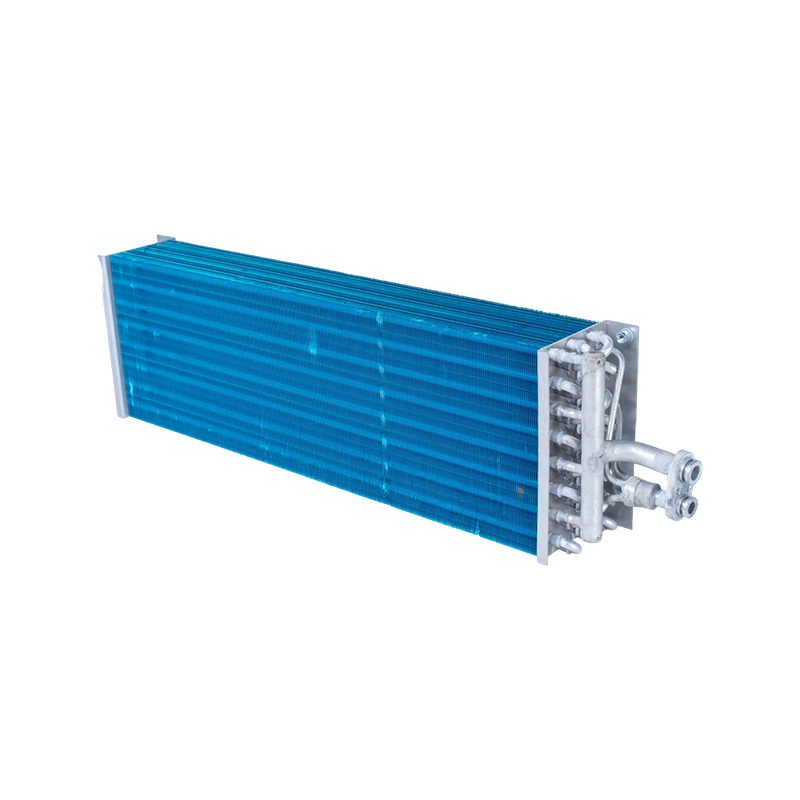
As vehicle manufacturers pursue lighter, more energy-efficient designs, material selection has become one of the most influential factors in the performance of Automotive Heat Exchangers. While copper has traditionally been valued for thermal conductivity, advanced aluminum tube technology now offers an attractive balance between heat transfer, structural strength, weight reduction, and manufacturing efficiency. Lower component weight contributes to improved vehicle energy efficiency, making aluminum increasingly common in both conventional and new energy vehicles.
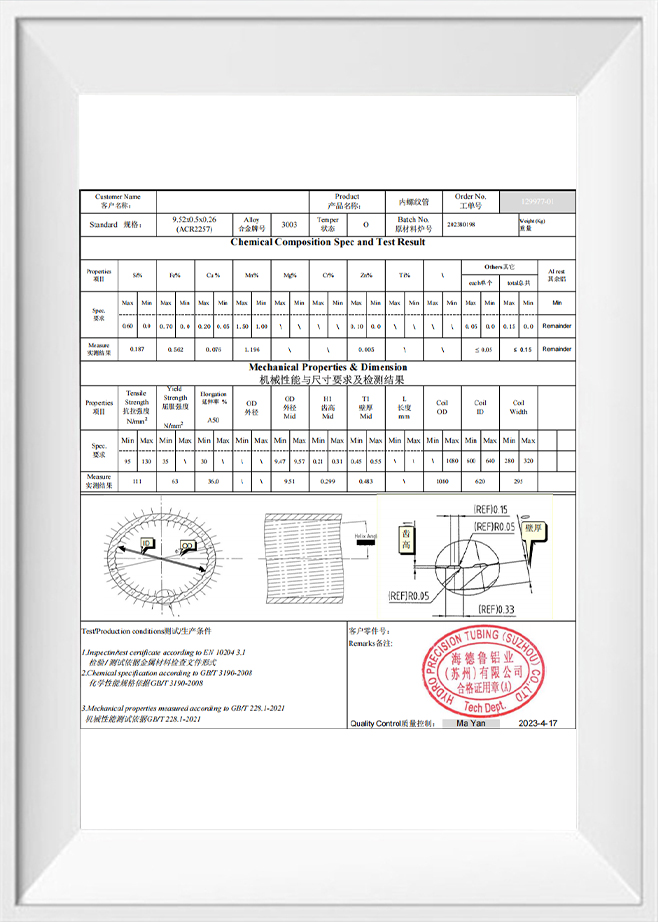
Hangzhou Yijie Refrigeration Technology Co., Ltd. has focused on heat exchanger development for 12 years and possesses multiple core technologies in this field. By replacing traditional copper materials with high-performance aluminum tube technology, the company reduces material costs by more than 30% while improving production efficiency for large-volume manufacturing. These advantages enable automotive manufacturers to control costs without sacrificing product reliability.
Corrosion Resistance Directly Influences Service Life
Road salt, rainwater, temperature fluctuations, and airborne pollutants continuously challenge the durability of every Heat Exchanger For Cars. Corrosion does not simply weaken the metal surface—it gradually reduces heat transfer efficiency, increases the risk of refrigerant leakage, and shortens the overall service life of the cooling system. Therefore, corrosion testing has become an essential benchmark when evaluating automotive heat exchangers.
- Better corrosion resistance helps maintain stable cooling performance throughout the product lifecycle.
- Improved structural stability lowers the risk of refrigerant leakage caused by long-term exposure.
- Reduced maintenance frequency decreases operating costs for both manufacturers and vehicle owners.
- Consistent performance supports reliable climate control under diverse environmental conditions.
Hangzhou Yijie Refrigeration Technology Co., Ltd. validates product durability through 500-hour standard salt spray testing. The corrosion resistance achieved exceeds national standards, allowing the company's heat exchangers to perform reliably even in demanding automotive environments.
Pressure Cycle Testing Reveals Long-Term Reliability
During vehicle operation, refrigerant pressure changes constantly as the air conditioning system cycles between different cooling loads. These repeated pressure fluctuations gradually fatigue internal joints, tube walls, and welded connections. A heat exchanger that performs well during initial testing may still experience premature failure if pressure durability has not been thoroughly verified.
| Validation Item |
Engineering Value |
| 50,000 pressure cycles |
Verifies structural durability during repeated operation |
| Compressive strength evaluation |
Supports stable refrigerant containment |
| Leak prevention capability |
Reduces maintenance risks over long-term use |
Every automotive heat exchanger manufactured by Hangzhou Yijie Refrigeration Technology Co., Ltd. undergoes 50,000 pressure cycle verification. This rigorous testing confirms excellent compressive strength and provides greater confidence for vehicle manufacturers requiring dependable long-term operation.
Customized Heat Exchanger Design Improves Overall Vehicle Performance
No two vehicle platforms have identical cooling requirements. Factors including engine layout, battery placement, airflow path, refrigerant type, installation space, and expected operating temperature all influence heat exchanger design. Selecting a standardized component without considering these variables may reduce cooling efficiency or complicate system integration.
With strong customization capabilities, Hangzhou Yijie Refrigeration Technology Co., Ltd. develops heat exchangers tailored to different automotive air conditioning systems as well as household air conditioners, dehumidifiers, cold chain systems, eco-friendly equipment, machine rooms, and warehouses. This application experience enables optimized solutions for manufacturers seeking better thermal management across multiple industries.
Efficient Manufacturing Is Becoming an Important Competitive Advantage
Automotive production increasingly depends on stable supply chains and scalable manufacturing processes. Beyond technical performance, manufacturers also evaluate production consistency, material utilization, and cost efficiency when selecting suppliers for Automotive Heat Exchangers. Advanced aluminum tube manufacturing supports automated production while maintaining dimensional precision across large production volumes.
By combining innovative aluminum tube technology, extensive durability verification, and over a decade of engineering experience, Hangzhou Yijie Refrigeration Technology Co., Ltd. delivers reliable Heat Exchanger For Cars solutions that balance lightweight construction, corrosion resistance, production efficiency, and long-term operational stability. These strengths make the company a trusted partner for customers seeking customized thermal management products in today's evolving automotive industry.

 English
 Español
 عربى
عربى