English
 Español
 عربى
عربى


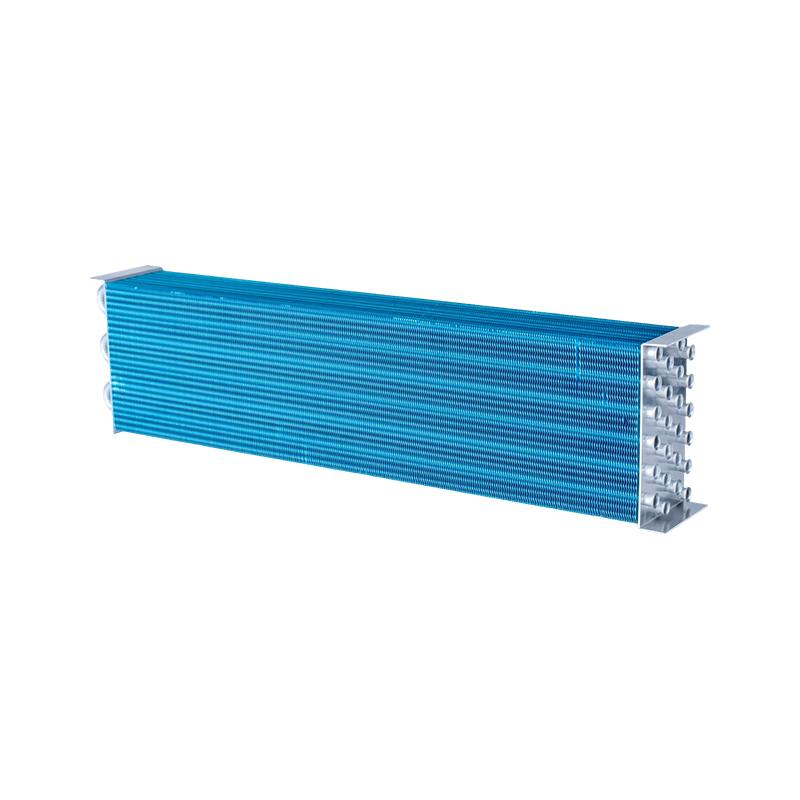
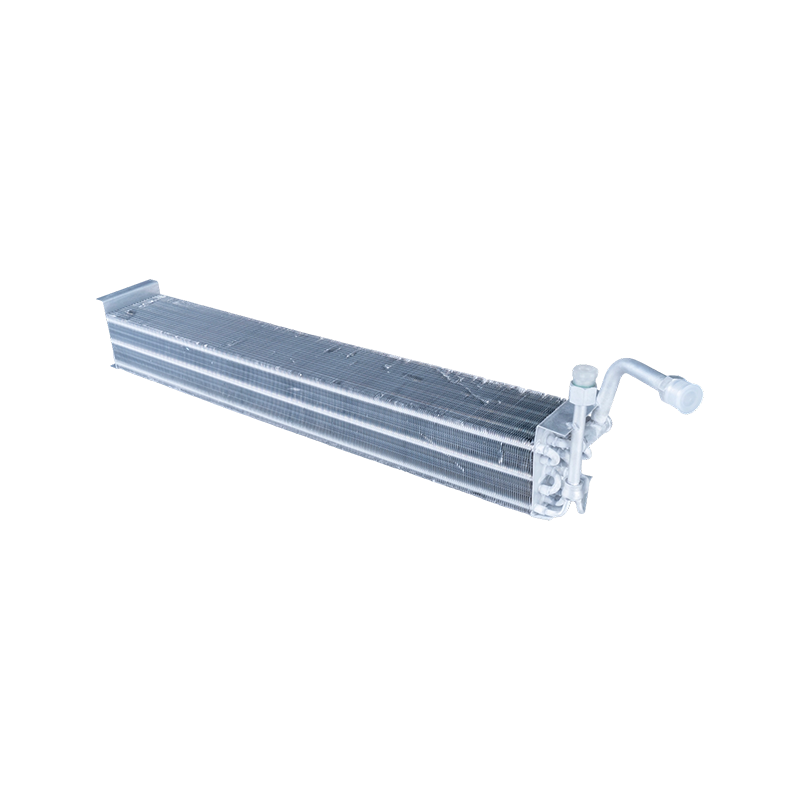
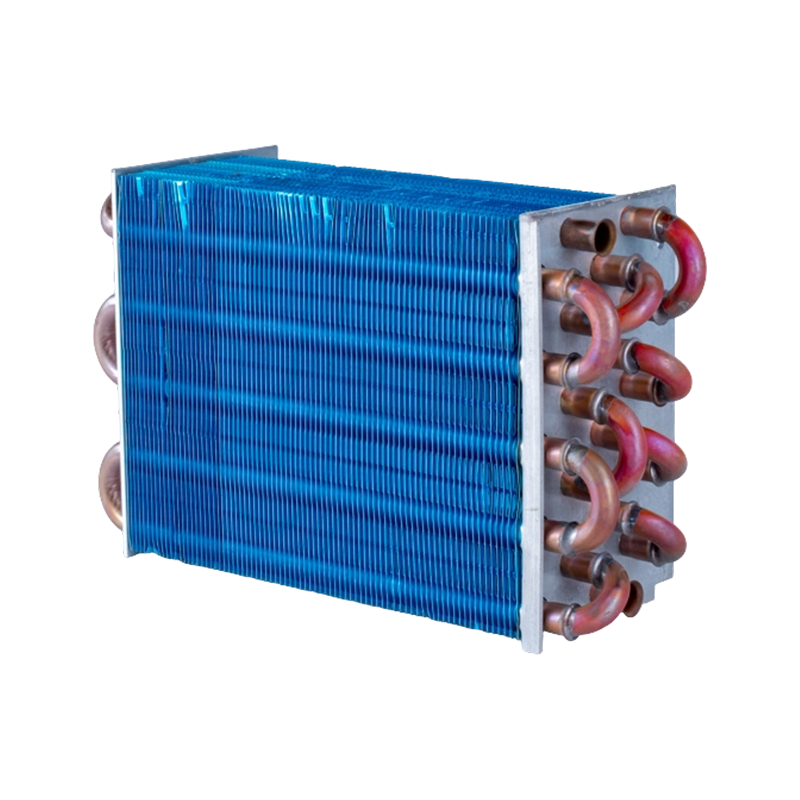
Core Dimensions: 273 (L) x 25.4 (W) x 285 (H) mm
Mold Size: 7 x 21 x 12.7mm
Fin Type: Plain foil corrugated fins ( sheet spacing 1.9mm, sheet thickness 0.115mm)
Material: All-copper construction (1.5mm galvanized steel)
The company's main products are aluminum tube type two-phase heat exchangers. Custom Copper Tube Automotive Heater Core Factory.

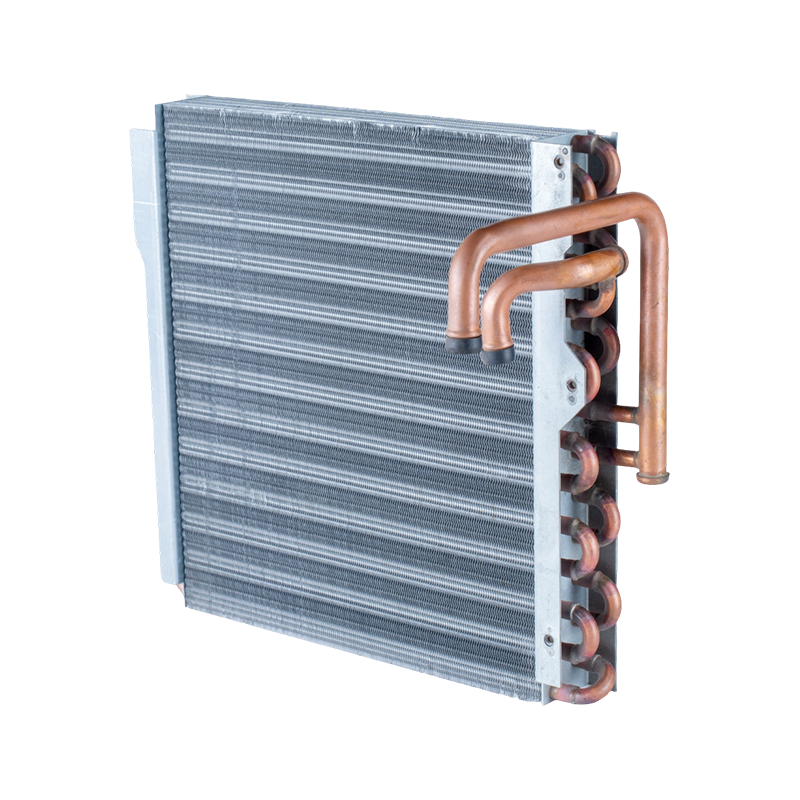
Core Dimensions: 273 (L) x 25.4 (W) x 285 (H) mm
Mold Size: 7 x 21 x 12.7mm
Fin Type: Plain foil corrugated fins ( sheet spacing 1.9mm, sheet thickness 0.115mm)
Material: All-copper construction (1.5mm galvanized steel)
The copper-tube automotive heater is engineered to deliver dependable heating performance by balancing efficiency, durability, and practical design.
From a performance perspective, the heater core measures 273 mm in length, 25.4 mm in width, and 285 mm in height, with mold dimensions of 7 × 21 × 12.7. This optimized core structure ensures efficient heat transfer while maintaining a compact form factor suitable for various vehicle HVAC layouts.
From a heat exchange design standpoint, the system utilizes corrugated foil sheets with a fine fin spacing of 1.9 mm and a fin thickness of 0.115 mm.
This configuration significantly increases the effective heat transfer area, allowing heat to be released quickly and evenly, resulting in faster cabin warm-up and improved thermal comfort.
From a material and reliability perspective, the heater core is manufactured entirely from high-quality copper, known for its excellent thermal conductivity and stable performance.


Walk past a standard residential AC installation and you will hear the outdoor cabinet described by different names. A homeowner may call it "the compressor," while an HVAC technician will point to the finned coil inside the same box and call it "the condenser." The language overlap is understandab...
READ MOREWhen a refrigeration system stops cooling, the condenser is often the first component technicians inspect. But for engineers and procurement teams, the condenser is a design decision that affects cost, weight, and reliability long before the system enters service. In basic terms, the condenser is a...
READ MOREThe refrigeration cycle, also called the heat pump cycle, is a closed loop that moves heat from a place where it is not wanted to a place where it can be released. Every refrigerator, freezer, air conditioner, and heat pump that uses vapor compression depends on the same four steps: compression, co...
READ MOREThe efficiency of a Copper Tube Automotive Heater Core is influenced not only by the thermal conductivity of the tube material but also by coolant flow distribution throughout the heater core. Uneven coolant circulation creates temperature differences across the core, reducing cabin heating performance and increasing the workload of the engine cooling system. Modern heater core engineering focuses on optimizing internal flow channels so that heat is released evenly under various driving conditions.
Balanced coolant distribution also improves windshield defrosting performance and provides faster cabin warm-up during cold starts. As vehicle climate control systems become more intelligent, maintaining consistent heat output has become increasingly important for passenger comfort and energy efficiency.
Copper has long been recognized for its excellent thermal conductivity and remains suitable for many heater core applications. However, modern automotive manufacturing also requires lightweight construction, production consistency, and cost optimization. As a result, many manufacturers evaluate material selection from the perspective of total system performance rather than thermal conductivity alone.
Hangzhou Yijie Refrigeration Technology Co., Ltd. has accumulated 12 years of expertise in heat exchanger technology and developed multiple core technologies. While understanding the performance characteristics of traditional copper heat exchangers, the company has successfully broken through the limitations of conventional copper materials by adopting high-performance aluminum tube technology. This innovation reduces material costs by more than 30% while providing significant advantages in mass production, enabling customers to achieve greater manufacturing efficiency without compromising product quality.
Automotive heater cores experience continuous coolant pressure fluctuations, thermal expansion, vibration, and seasonal temperature changes throughout their service life. A heater that performs well during initial testing may gradually lose reliability if its structural integrity has not been thoroughly validated. Comprehensive durability testing is therefore an important indicator of long-term product quality.
| Validation Item | Practical Value |
| 500-hour standard salt spray test | Excellent corrosion resistance under humid operating conditions |
| 50,000 pressure cycle verification | Reliable performance during repeated coolant pressure changes |
| High compressive strength | Lower risk of leakage and longer operational life |
Hangzhou Yijie Refrigeration Technology Co., Ltd. performs rigorous durability verification on its heat exchangers through 500-hour standard salt spray testing and 50,000 pressure cycle testing. The resulting corrosion resistance and compressive strength exceed national standards, providing dependable thermal performance in demanding automotive environments.
Every vehicle platform presents unique packaging constraints and thermal requirements. Engine cooling capacity, coolant flow rate, blower characteristics, dashboard layout, and available installation space all influence heater core performance. Customized engineering enables manufacturers to optimize tube arrangements, fin density, and connection positions, resulting in better heating efficiency while simplifying assembly and reducing pressure losses.
Tailored heat exchanger solutions also help improve compatibility across passenger cars, commercial vehicles, hybrid vehicles, and electric vehicles, where thermal management requirements continue to evolve with new powertrain technologies.
Innovations developed for different thermal management applications frequently enhance Copper Tube Automotive Heater Core technology. Experience gained from household air conditioning, automotive air conditioning, dehumidifiers, cold chain systems, eco-friendly equipment, machine rooms, and warehouse cooling provides valuable knowledge in corrosion protection, airflow optimization, structural durability, and efficient heat transfer.
Leveraging strong customization capabilities, Hangzhou Yijie Refrigeration Technology Co., Ltd. supplies heat exchangers for household air conditioners, automotive air conditioners, dehumidifiers, cold chain systems, eco-friendly equipment, machine rooms, and warehouses. Supported by over 12 years of engineering expertise, advanced aluminum tube technology, and rigorous durability validation, the company develops thermal management solutions that meet the evolving demands of modern automotive HVAC systems while offering customers reliable quality, efficient production, and long-term operational stability.

 Copper Tube Automotive Heater Core Manufacturers