Thermal Performance Factors of Aluminum-Tube Freezer Finned Tube Radiators
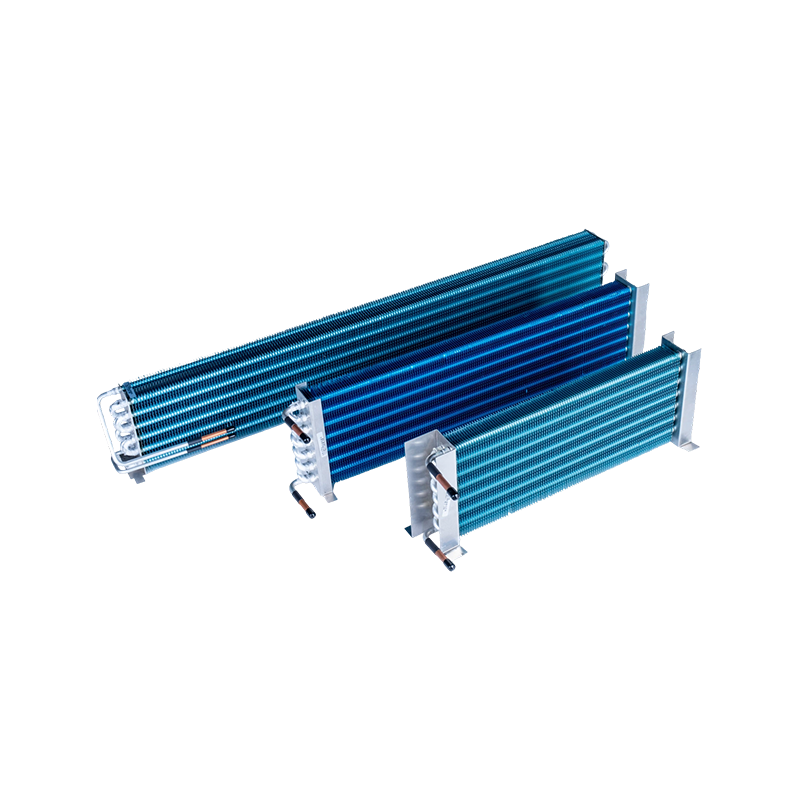
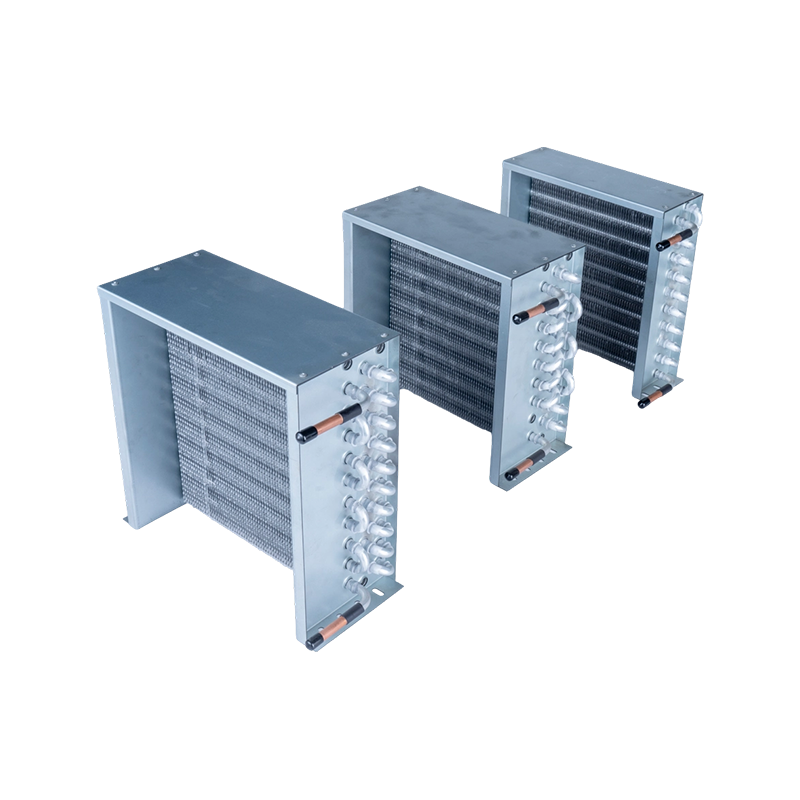
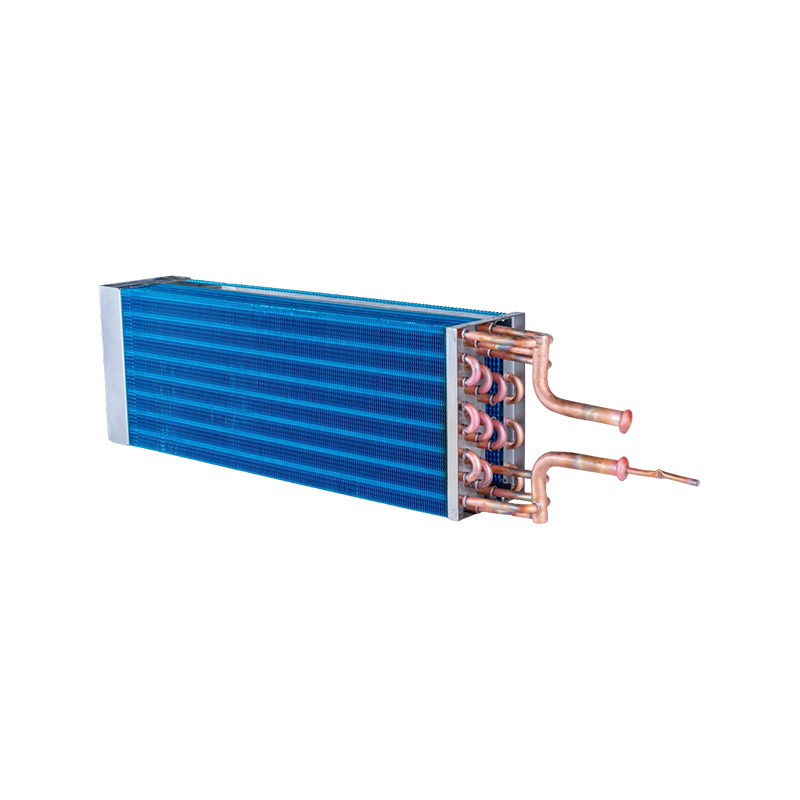
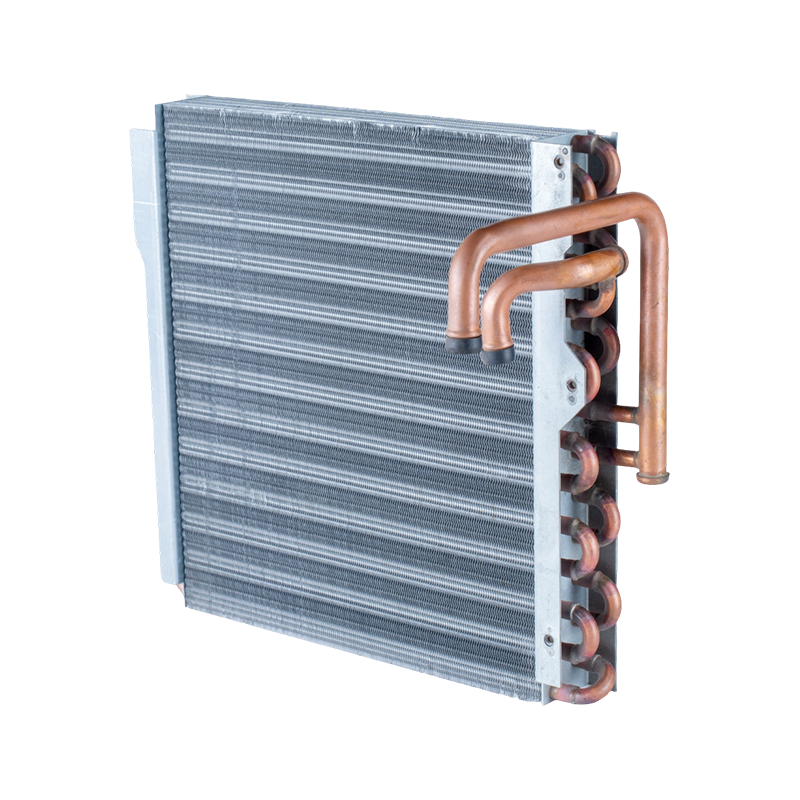
An Aluminum-Tube Freezer Finned Tube Radiator is a key component that influences refrigeration efficiency, temperature stability, and equipment reliability. In freezer systems, the radiator needs to maintain continuous heat transfer under low-temperature conditions, where airflow resistance, frost formation, humidity, and long operating cycles can directly affect overall cooling performance.
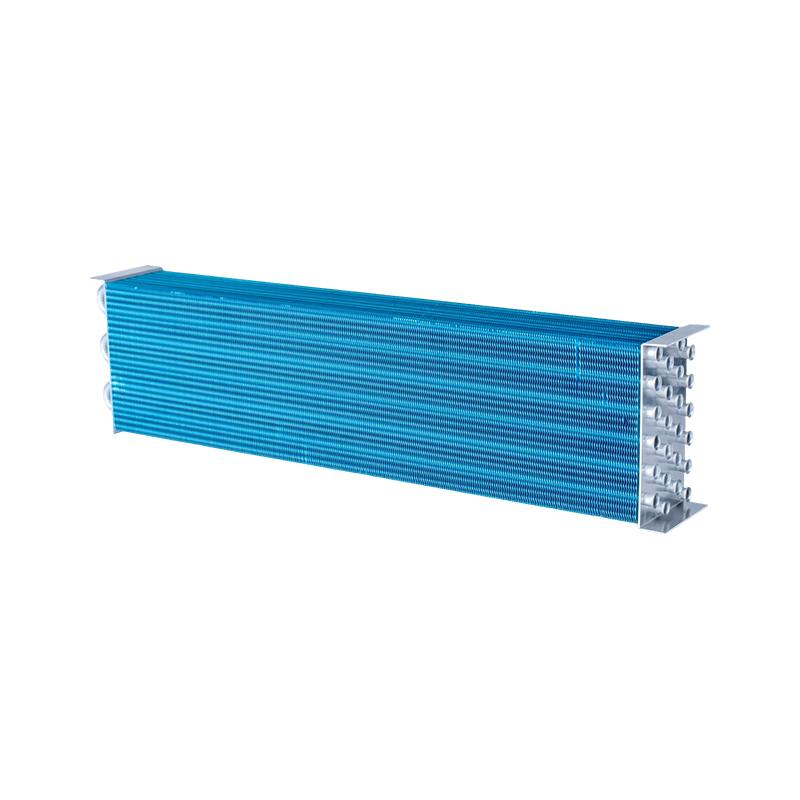
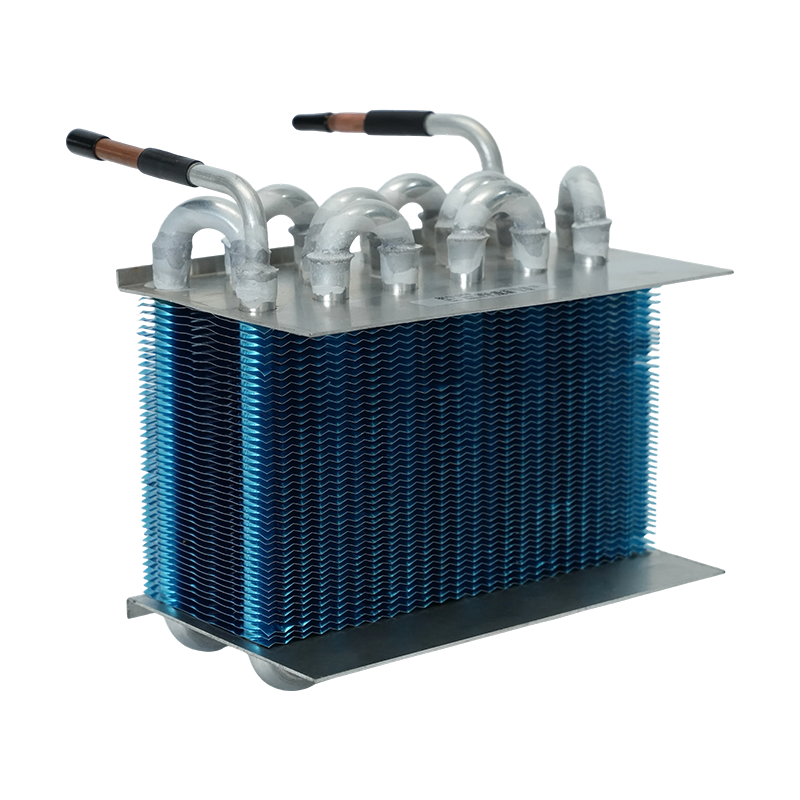
The thermal performance of a finned tube radiator is determined by multiple factors, including tube material, fin arrangement, heat transfer area, refrigerant flow path, and airflow distribution. High-performance aluminum tube technology provides advantages in lightweight design and efficient thermal conductivity, making it suitable for refrigeration equipment that requires compact structures and stable cooling output.
- Optimized tube structures improve refrigerant circulation efficiency and heat exchange capability.
- Lightweight aluminum materials help reduce overall equipment weight.
- Efficient fin designs improve air contact area and cooling performance.
- Stable heat transfer performance supports long-term freezer operation.
Material Advantages of Aluminum Tubes in Refrigeration Applications
Material selection has a significant influence on manufacturing efficiency, production cost, and service life of refrigeration heat exchangers. Compared with traditional copper-based solutions, aluminum tube technology provides a practical alternative for modern freezer equipment by reducing material consumption while maintaining reliable heat transfer performance.
Hangzhou Yijie Refrigeration Technology Co., Ltd. has 12 years of deep expertise in heat exchangers and holds multiple core technologies. Breaking through the limitations of traditional copper material, the company adopts high-performance aluminum tube technology. This technology reduces material costs by more than 30% while offering significant advantages in mass production, helping refrigeration equipment manufacturers achieve improved efficiency and cost control.
The aluminum tube heat exchangers developed by Hangzhou Yijie Refrigeration Technology Co., Ltd. are designed for various refrigeration scenarios, including household AC, automotive AC, dehumidifiers, cold chain systems, eco-friendly equipment, machine rooms, and warehouses. This wide application capability allows the products to meet different requirements for cooling capacity, installation space, and operating environments.
Durability Verification for Long-Term Freezer Operation
Freezer systems often operate continuously for thousands of hours, so radiator components must withstand repeated temperature changes, moisture exposure, and pressure fluctuations. A reliable finned tube radiator requires strong corrosion resistance and mechanical stability to maintain consistent heat exchange performance throughout its service life.
| Verification Item |
Importance in Freezer Applications |
| 500-Hour Salt Spray Test |
Evaluates corrosion resistance in humid and challenging environments. |
| 50,000 Pressure Cycle Verification |
Confirms structural reliability during repeated refrigeration cycles. |
| Compressive Strength Testing |
Ensures stable operation under refrigerant pressure changes. |
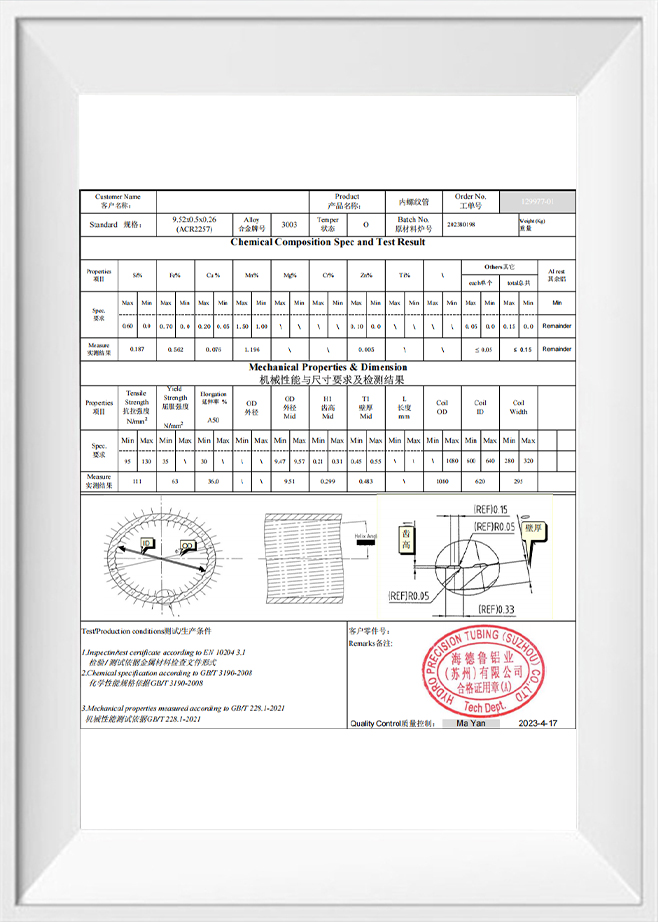
Hangzhou Yijie Refrigeration Technology Co., Ltd. has verified the reliability of its heat exchanger products through strict testing procedures. The products have passed 500-hour standard salt spray tests and 50,000 pressure cycle verification, with corrosion resistance and compressive strength far exceeding national standards. These performance advantages support reliable operation in freezer and refrigeration systems requiring long-term stability.
Fin Structure Design and Airflow Management
The fin structure of a freezer radiator directly affects airflow efficiency and heat transfer results. Proper fin spacing allows sufficient air movement while maintaining a large heat exchange surface. If fins are designed too densely, airflow resistance may increase and frost accumulation may become more difficult to manage.
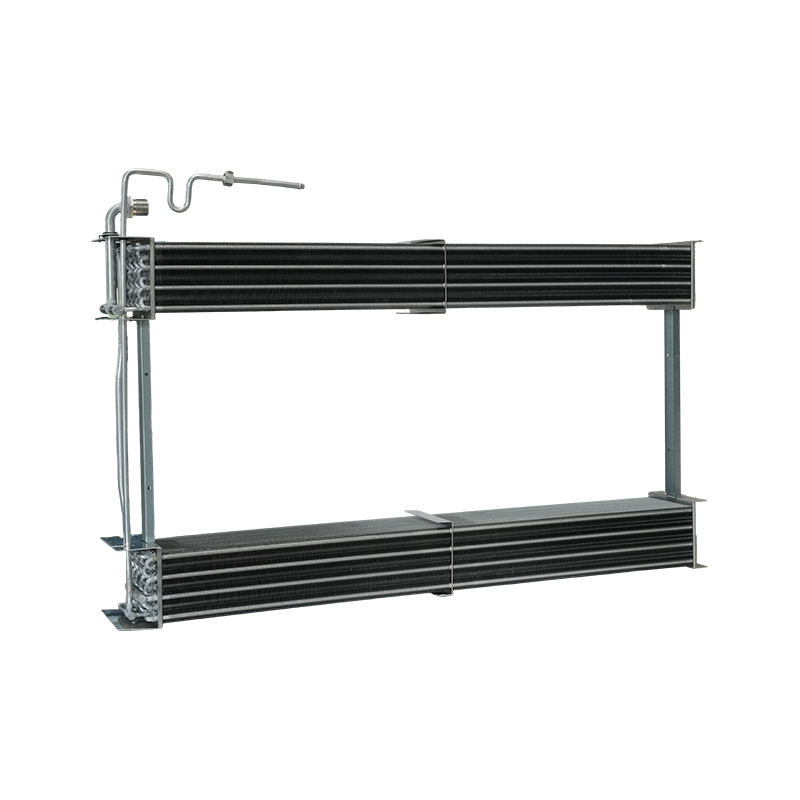
For different freezer applications, engineers usually adjust fin spacing, tube arrangement, and radiator dimensions according to cooling requirements. Commercial freezers, cold storage systems, and compact refrigeration equipment may require different designs to achieve the best balance between cooling performance and energy consumption.
- Suitable fin spacing improves airflow distribution.
- Optimized tube arrangement enhances refrigerant-side heat transfer.
- Customized structures help match different freezer installation requirements.
Maintenance Considerations for Freezer Heat Exchanger Performance
Even high-quality freezer radiators require proper maintenance to maintain efficiency. Dust accumulation, airflow blockage, and excessive frost layers can reduce heat exchange effectiveness and increase energy consumption. Regular inspection of airflow channels and surface cleanliness helps refrigeration systems maintain stable operation.
In cold chain applications, where temperature accuracy is critical, radiator performance directly affects product preservation quality. Selecting a heat exchanger with reliable corrosion resistance and structural strength can reduce maintenance frequency and improve system availability.
Application Value of Aluminum-Tube Freezer Radiators in Modern Refrigeration Systems
With increasing demand for energy-efficient Aluminum-Tube Freezer Finned Tube Radiator , manufacturers are paying more attention to lightweight structures, material efficiency, and reliable heat transfer solutions. Aluminum-tube freezer radiators provide advantages in system integration by combining efficient thermal performance with reduced material usage.
Through strong custom service capabilities, Hangzhou Yijie Refrigeration Technology Co., Ltd. provides heat exchanger solutions adapted to different application environments. Its products support various fields including household AC, automotive AC, dehumidifiers, cold chain systems, eco-friendly equipment, machine rooms, and warehouses, helping customers achieve stable refrigeration performance in diverse scenarios.

 English
 Español
 عربى
عربى