gracezhang@yijiecool.com |
 English
 Español
 عربى



What Is the AC Compressor? Types, Location and Heat Exchanger Matching
Content
- 1 What the Compressor Actually Does in the Refrigerant Cycle
- 2 Where to Find It and How to Recognise It
- 3 Compressor Types and What Each One Is Good At
- 4 The Compressor Is Only as Good as the Coils Around It
- 5 Symptoms That Point to the Compressor, and the Ones That Only Look Like It
- 6 A Short Checklist Before You Buy or Replace One
A split system that runs, blows air across the room and still never reaches the set temperature usually sends a technician straight to one part: the compressor. If the outdoor fan turns, the indoor coil is clean and the suction line stays warm, the pump at the centre of the circuit has stopped doing its job.
The short answer is that the compressor is the component that raises the pressure of the refrigerant vapour so the system can reject heat outdoors. In Spanish-speaking markets it is called the compresor del aire acondicionado, and the definition is the same everywhere: a vapour pump, never a liquid pump. On a residential split it sits inside the outdoor unit; in a car it is bolted to the engine block and driven by a belt or an electric motor. Every other part of the circuit, including the condenser coil and the evaporator, is selected around the displacement, speed range and pressure ratio of that single part.
What the Compressor Actually Does in the Refrigerant Cycle
A compressor takes low-pressure, low-temperature vapour leaving the evaporator and squeezes it into high-pressure, high-temperature vapour that the condenser can turn back into liquid. The expansion device then drops the pressure again and the cycle repeats. The compressor does not create cold; it creates the pressure difference that makes cold possible at the evaporator.
Two practical consequences follow from that:
- It moves vapour only. Liquid returning from the evaporator (slugging) can bend valves, wash out lubricating oil and score a scroll. That is why superheat at the suction line is controlled, typically in the 5 to 8 K range on a well-charged residential system.
- It dominates electricity use. In most splits the compressor accounts for the large majority of the power drawn, which is why inverter-driven units with a wide speed range save more energy at partial load than a fixed-speed unit with a better nominal rating.
Typical residential compression ratios sit between roughly 2.5 and 3.5 depending on the refrigerant and the outdoor temperature. Discharge temperatures of 70 to 100 °C are normal, and that heat is exactly what the condenser has to remove.
Where to Find It and How to Recognise It
In a split or multi-split air conditioner, the compressor is the black, dome-shaped or cylindrical shell inside the outdoor cabinet, usually next to the condenser coil. One pipe (suction) runs back to the indoor evaporator; the other (discharge) feeds the top of the condenser. On inverter units the shell is connected to a variable-frequency drive board, and the sound at start-up is a slow ramp rather than a hard click.
In a vehicle the layout is different but the function is identical. The compressor hangs on the engine accessory drive, engaged by a magnetic clutch on belt-driven systems, or it is an electrically driven scroll or rotary unit on hybrids and electric cars. Window units and portable air conditioners keep the compressor inside the same chassis as the evaporator.
On a heat pump the same compressor serves both seasons, with a reversing valve swapping the roles of the two coils. Nothing about the internal design changes; only the direction of refrigerant flow does.
Compressor Types and What Each One Is Good At
The five families below cover almost everything sold for comfort cooling today, from a bedroom mini-split to a district cooling chiller. The choice of type usually follows capacity, part-load behaviour and tolerance to real-world abuse rather than efficiency alone.
| Type | How it compresses | Typical applications | Practical notes |
|---|---|---|---|
| Reciprocating (piston) | Pistons driven by a crankshaft or swash plate squeeze vapour inside a cylinder | Refrigerators, belt-driven car systems, older splits | Handles high pressure ratios well; more moving parts and vibration |
| Rotary (rolling piston or swing) | An eccentric roller and a single vane trap and squeeze vapour against the cylinder wall | Residential mini-splits, portable units, small vehicles | Compact and inexpensive at volume; sensitive to liquid return and debris |
| Scroll | Two interleaved spirals orbit to compress vapour continuously | Multi-splits, VRF systems, electric vehicle cabins, rooftop units | Few moving parts, low vibration, strong part-load efficiency; poor tolerance to slugging |
| Screw | Two meshing rotors compress vapour axially | Large chillers, industrial process cooling | High capacity for continuous duty; oil management is critical |
| Centrifugal | A high-speed impeller accelerates vapour and a diffuser converts velocity into pressure | Very large chillers and central plants | Very high flow at a low pressure ratio; not viable at small capacities |
Fixed-speed versus inverter is a separate decision from type. A fixed-speed compressor runs at one speed and cycles on and off, so room temperature drifts a degree or two; an inverter unit modulates speed and holds temperature far more tightly, at the cost of a control board that needs clean power and adequate ventilation.
The Compressor Is Only as Good as the Coils Around It
Buyers often compare compressor brands while treating the heat exchangers as an afterthought, then wonder why a system underperforms. A compressor is specified together with its condenser and evaporator: change the coil surface area, the fin density or the tube diameter and the balance point moves. An oversized condenser lowers discharge pressure and reduces power draw, but it also adds refrigerant charge, weight and cost. An undersized evaporator forces a lower suction pressure, which raises the compression ratio and shortens compressor life.
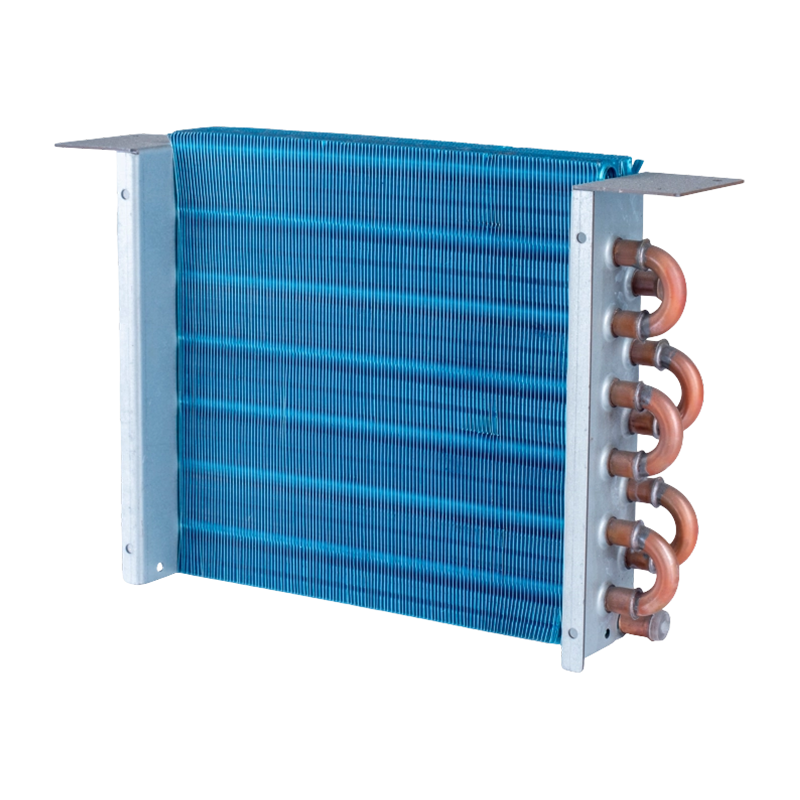
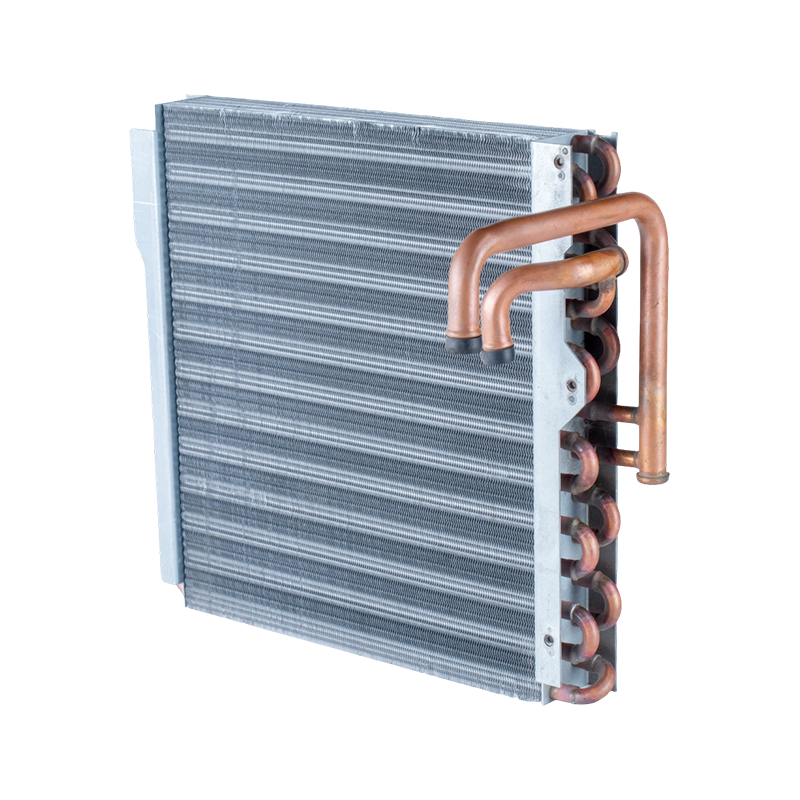
This is where component sourcing matters more than catalogue headlines. For residential and light commercial builds, the matching parts are usually drawn from a household evaporator range and an outdoor condenser range that share the same tube and fin platform, so the pressure drop and refrigerant charge stay predictable from one model to the next.
 Compact Household Air-Conditioning Evaporator CoilCompact residential AC evaporator with hydrophilic aluminum fins and copper piping, suited to household systems needing efficient cooling and stable refrigerant flow.View Product →
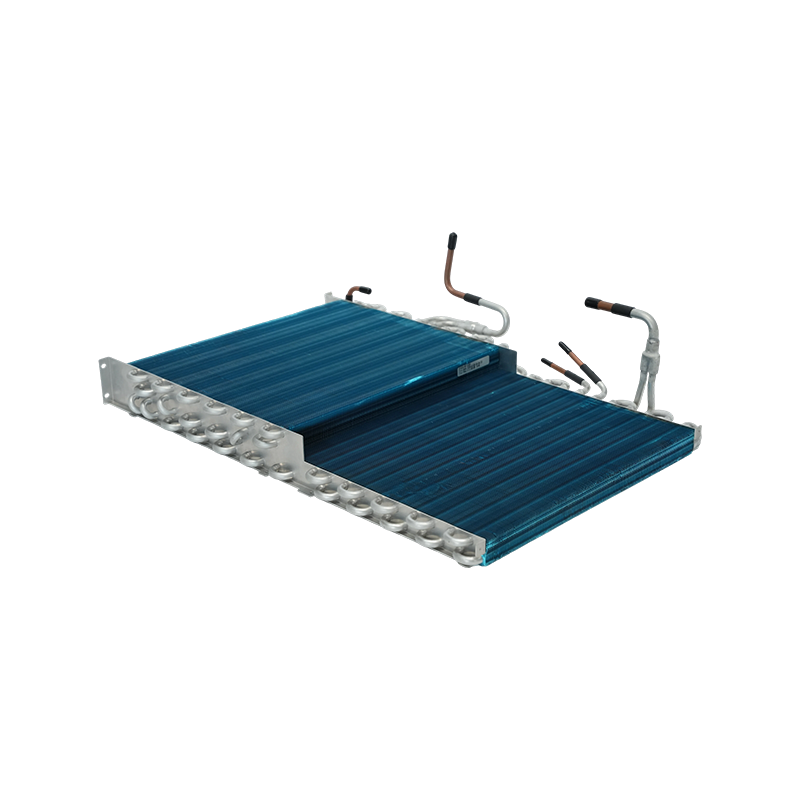
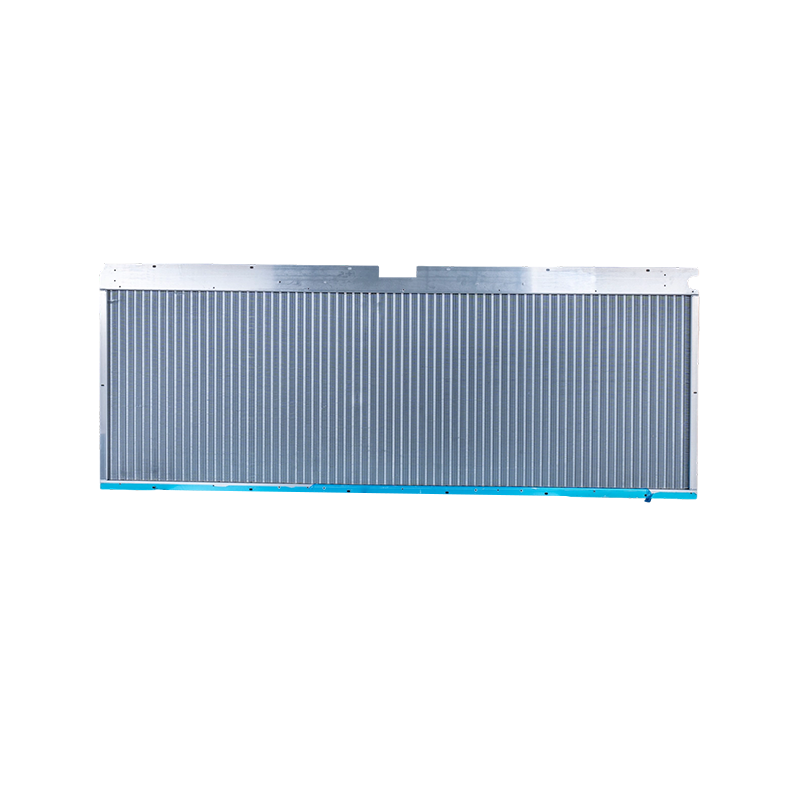
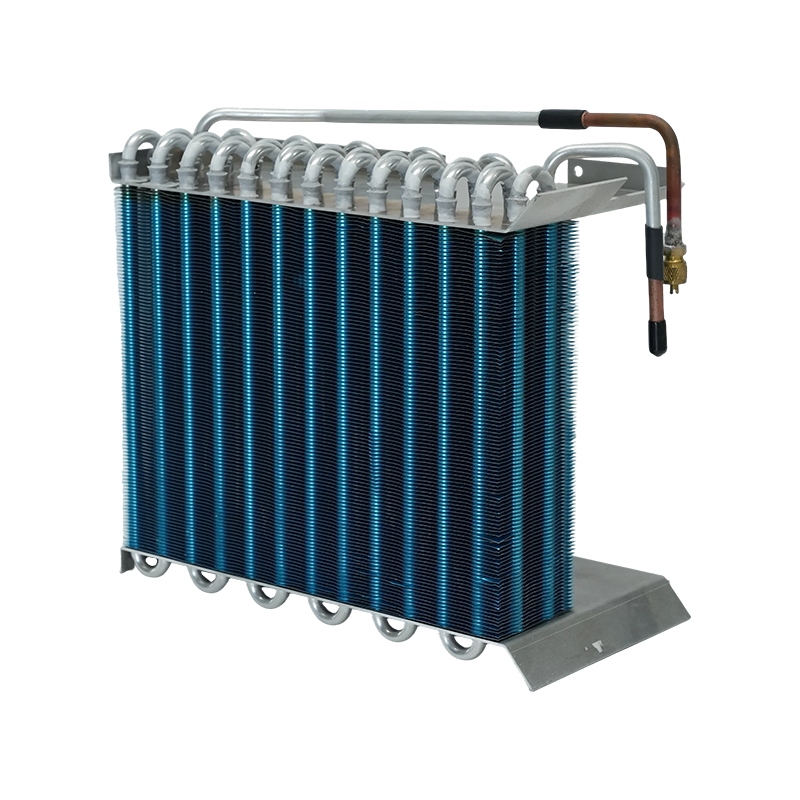
Outdoor cabinets need a different priority: corrosion resistance and stable performance across a wide ambient range. All-aluminium and aluminium-tube condensers are common here because the brazing points are fewer and salt-spray performance is easier to verify in production.
 Aluminum-Tube Outdoor AC CondenserCompact outdoor condenser with hydrophilic louvered fins and galvanized housing, suited to tight AC chassis where space saving and corrosion resistance are priorities.View Product →
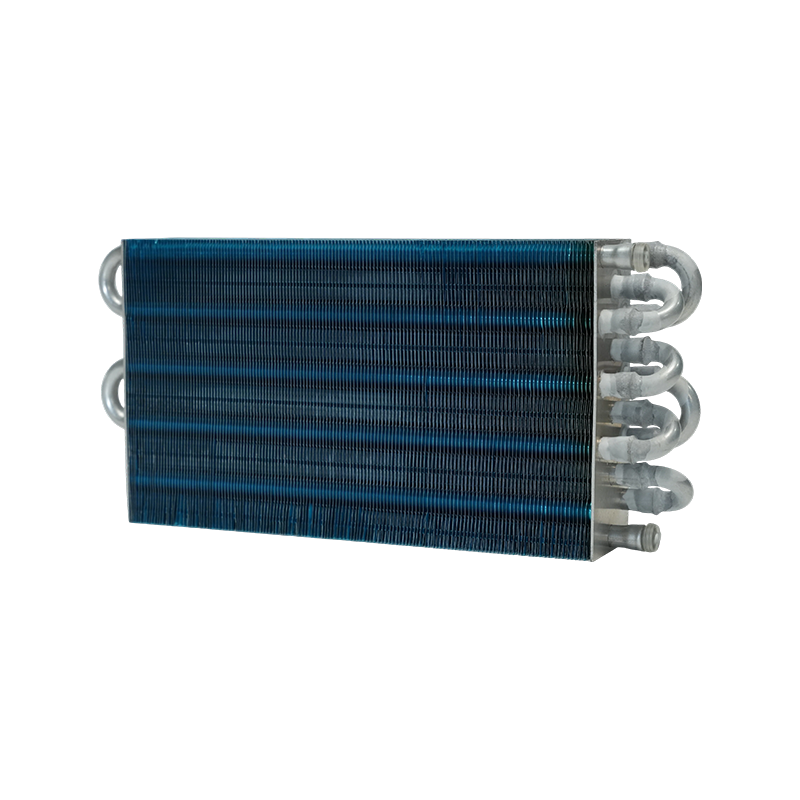
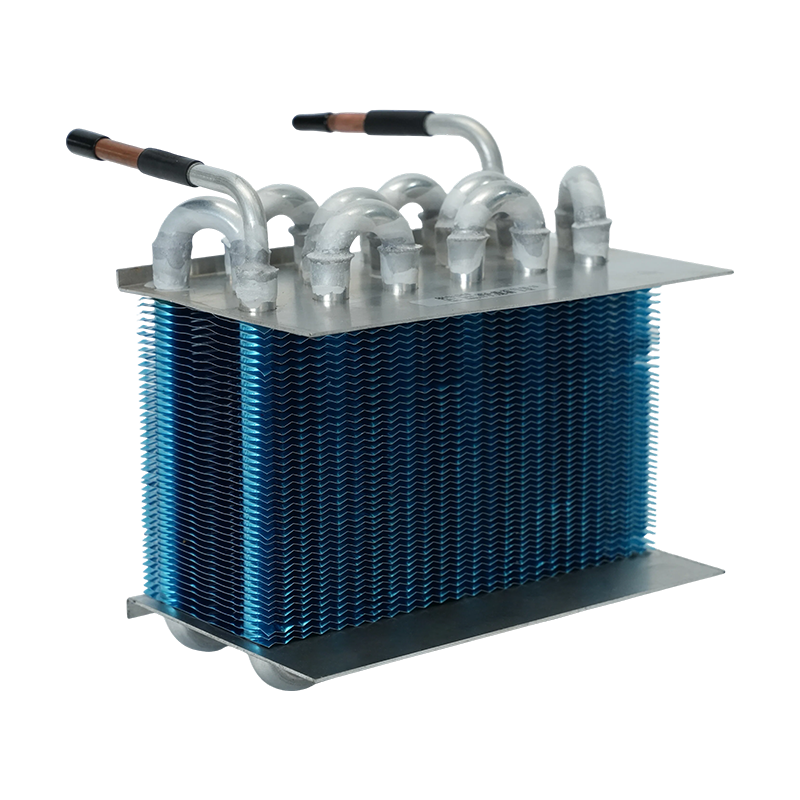
For tight chassis, such as cabinet cooling, vending equipment or compact dehumidifiers, a small-format condenser with a defined face area lets the designer keep the compressor displacement low without starving the circuit.
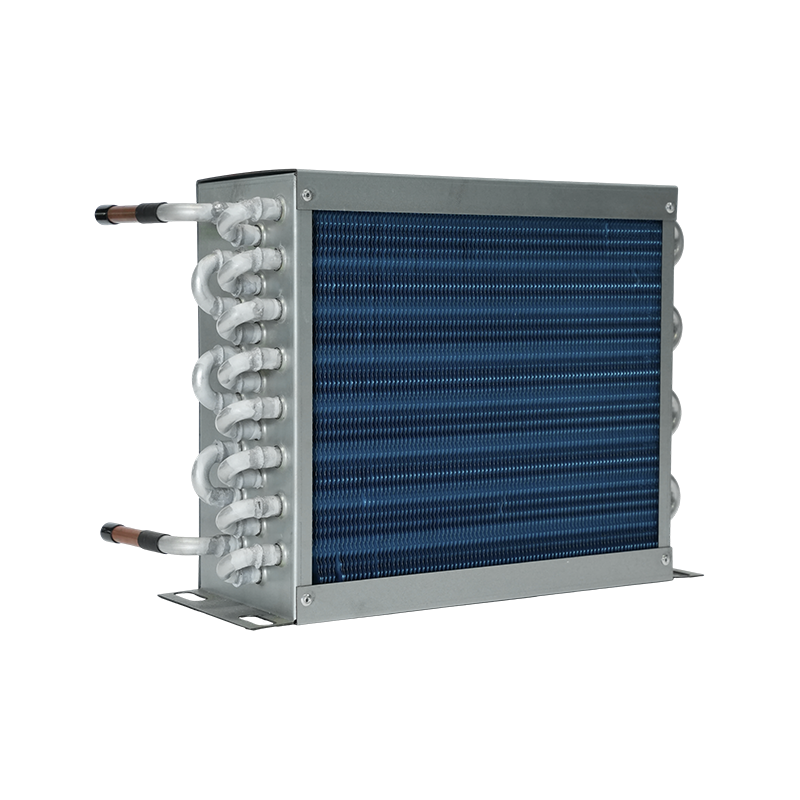 Compact Copper Condenser for Limited SpacesSpace-saving copper condenser with corrugated hydrophilic fins and galvanized steel housing, useful for compact refrigeration and cooling systems with limited chassis room.View Product →
When a project mixes several of these formats, it helps to review how condenser and evaporator duties are balanced before locking in a compressor model; the HVAC heat exchanger guide covers the matching logic and the maintenance points that affect it over time.
Symptoms That Point to the Compressor, and the Ones That Only Look Like It
Very few "dead compressor" diagnoses survive a proper electrical and pressure check. Roughly half the systems brought in for compressor replacement turn out to have a cheaper fault upstream.
- Looks like a compressor: low refrigerant charge, a blocked or dirty condenser, a failed run capacitor, a stuck expansion valve or a broken reversing valve. All of these produce weak cooling and abnormal pressures.
- Points to the compressor: winding resistance far outside the manufacturer's range, insulation failure to earth, a locked rotor drawing locked-rotor amps without starting, or a discharge pressure that never rises while the suction pressure pulls into a vacuum.
- Points to the install: repeated failures on the same unit usually mean debris in the circuit, poor brazing practices, wrong oil, or a condenser that cannot reject the heat the compressor produces.
Any diagnosis that involves opening the refrigerant circuit belongs with a certified technician. Gauges, recovery equipment and a refrigerant identifier are not optional; venting refrigerant is illegal in most markets.
A Short Checklist Before You Buy or Replace One
Whether you are specifying a new unit or authorising a repair, the same numbers decide the outcome:
- Confirm the refrigerant and the design pressure ratio, not just the cooling capacity in kW or BTU.
- Check displacement and speed range against the evaporating and condensing temperatures the application actually sees, not laboratory ratings.
- Verify the electrical supply: single-phase inverter drives and three-phase scrolls have very different starting currents and protection requirements.
- Ask for corrosion and pressure-cycle test data with the test conditions stated, since salt-spray hours mean little without the standard referenced.
- Match oil type and charge quantity to the compressor and the coil volumes; too much oil in the wrong place is as damaging as too little.
- Keep a spare parts path. A compressor that takes eight weeks to replace is a design risk regardless of its datasheet.
For design teams that need the coil side of the equation in one document, the manufacturer's product catalogue PDF lists condenser and evaporator formats by application, which shortens the matching exercise considerably.
A compressor is a simple idea executed to tight tolerances: raise the pressure, move the heat, come back for more. Get the coil areas, refrigerant charge and control strategy right around it and the part will outlive the warranty. Get them wrong and the most expensive component in the system becomes the one that fails first, usually within a season.