gracezhang@yijiecool.com |
  English
 Español
 عربى
عربى


HVAC Heat Exchanger Guide: Types, Efficiency & Maintenance
Content
An HVAC heat exchanger is the core component responsible for transferring thermal energy between two fluids to heat or cool a space. Its efficiency directly determines your system's energy consumption, comfort levels, and operational lifespan. A well-maintained heat exchanger can operate at 90-95% thermal efficiency, while a neglected one may drop below 70%, significantly increasing utility costs.
Whether in residential furnaces, commercial chillers, or air conditioning units, these devices facilitate the phase changes and temperature differentials necessary for climate control. Understanding their specific roles and maintenance requirements is essential for optimizing HVAC performance and preventing costly system failures.
Primary Types of HVAC Heat Exchangers
HVAC systems utilize distinct heat exchangers depending on whether they are heating or cooling. Each type is engineered for specific pressure ranges, fluid properties, and heat transfer mechanisms.
| Component | Function | Typical Location | Common Material |
|---|---|---|---|
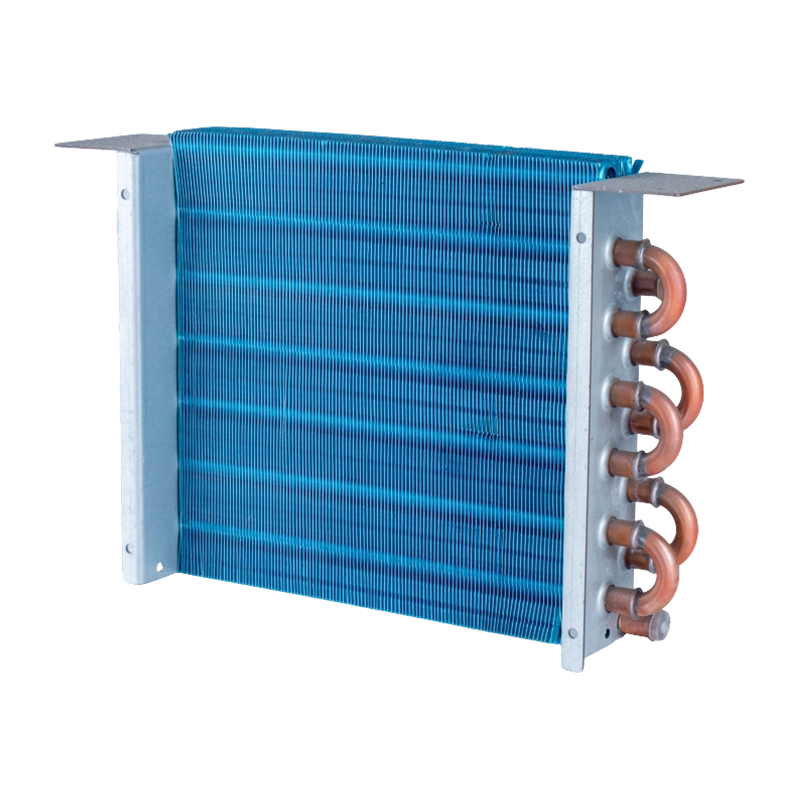
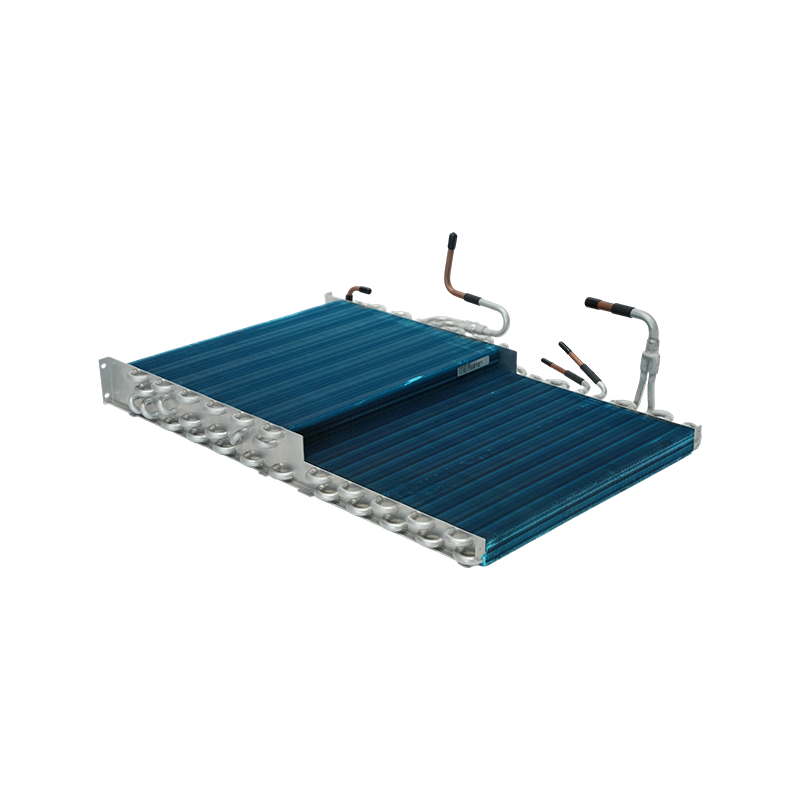
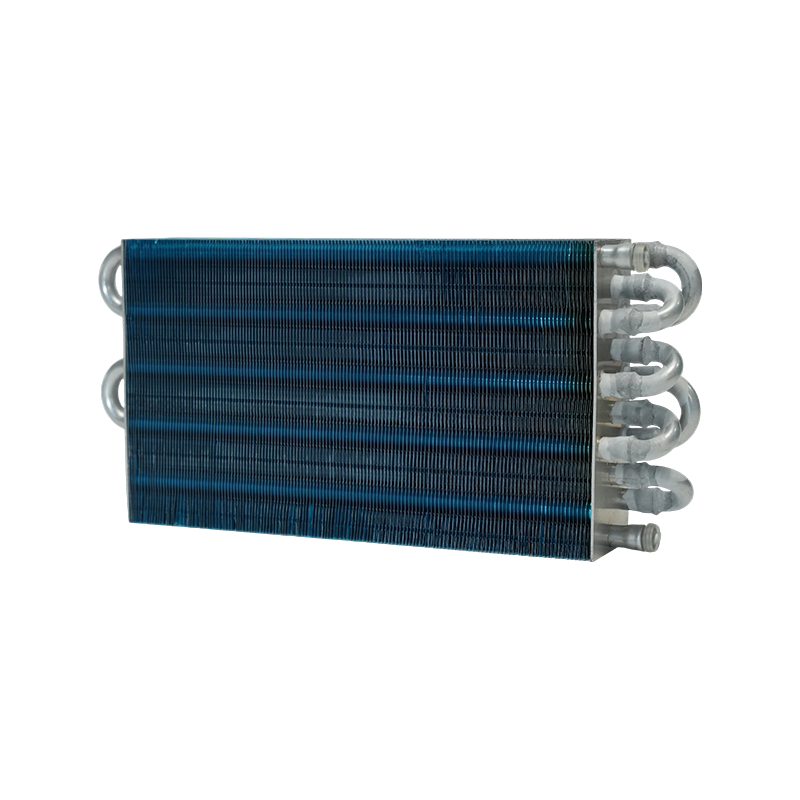
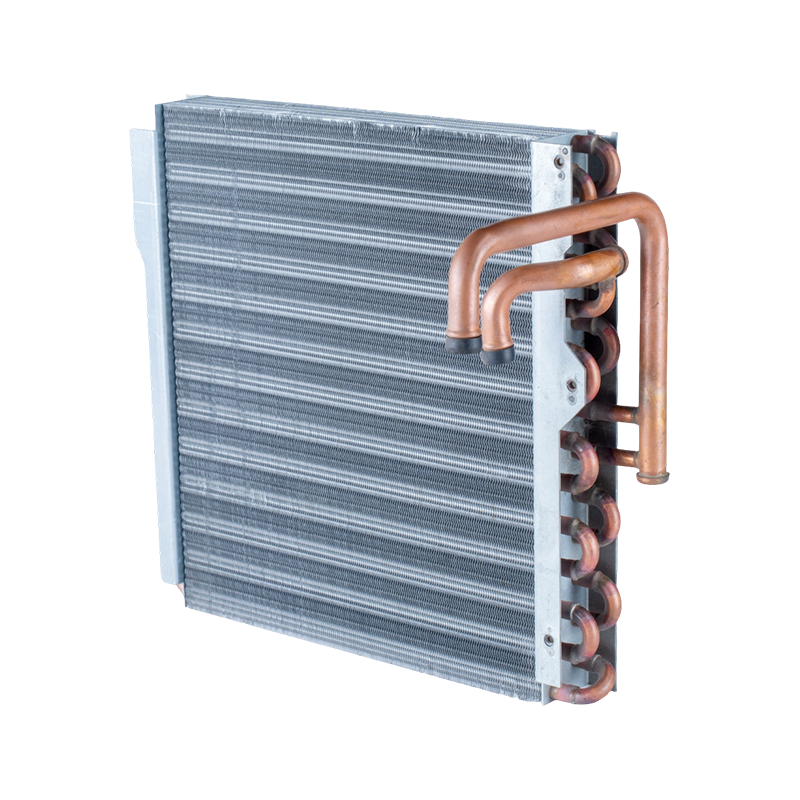
| Evaporator Coil | Absorbs heat / Cools air | Indoor Unit | Copper/Aluminum |
| Condenser Coil | Rejects heat / Releases warmth | Outdoor Unit | Copper/Aluminum |
| Furnace Exchanger | Transfers combustion heat | Inside Furnace | Stainless Steel |
| Plate Exchanger | Fluid-to-fluid transfer | Boiler/Chiller | Stainless Steel |
Evaporator and Condenser Coils
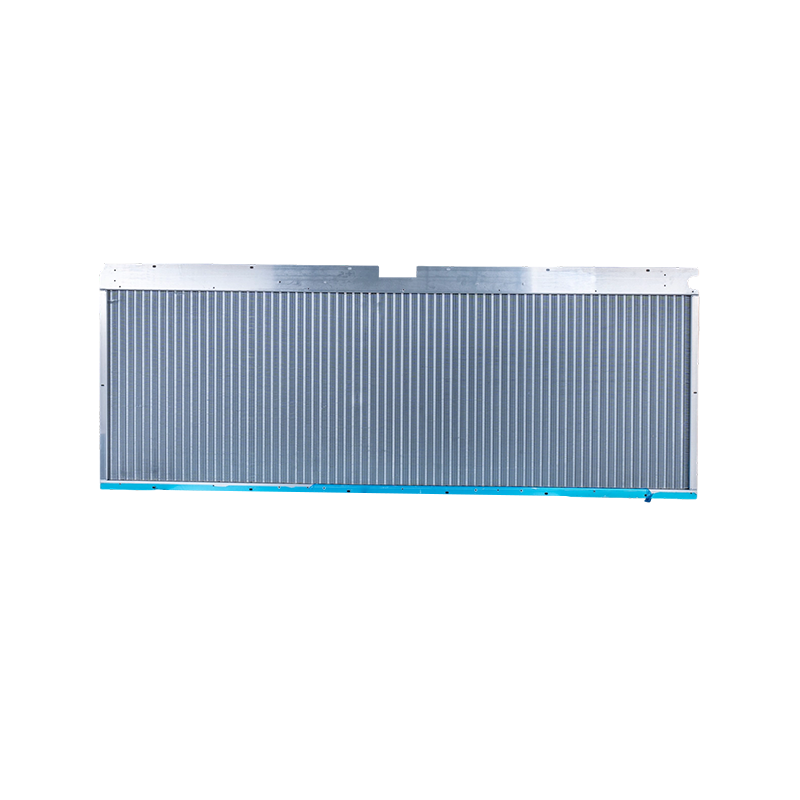
In refrigeration cycles, the evaporator absorbs indoor heat as liquid refrigerant boils into gas. Conversely, the condenser releases this absorbed heat outdoors as the gas compresses back into liquid. Modern high-efficiency units often feature microchannel aluminum coils which offer superior heat transfer surface area compared to traditional round-tube copper designs, improving SEER ratings by up to 15%.
Combustion Chamber Heat Exchangers
Gas furnaces use clamshell or tubular stainless steel exchangers to separate toxic combustion gases from breathable indoor air. Primary exchangers handle the initial intense heat, while secondary exchangers in high-efficiency models extract additional latent heat from flue gases, allowing condensation and achieving AFUE ratings above 90%.
Critical Maintenance for Optimal Performance
Heat exchanger degradation is rarely sudden; it results from cumulative neglect. Implementing a structured maintenance protocol prevents efficiency loss and extends equipment life by an average of 5-7 years.
- Clean evaporator and condenser coils annually; even a 0.04-inch layer of dirt can reduce heat transfer efficiency by 20%.
- Replace air filters every 1-3 months to prevent airflow restriction that causes coil freezing and compressor strain.
- Inspect furnace heat exchangers for cracks using combustion analysis tools; carbon monoxide leaks pose severe safety risks.
- Check refrigerant charge levels; low charge reduces evaporator capacity and causes icing, while overcharge floods the compressor.
- Clear debris from outdoor condenser units to maintain proper airflow; blocked fins can increase head pressure by 15-20 PSI.
Signs of Heat Exchanger Failure
Recognizing early warning signs allows for proactive intervention before complete system breakdown. Ignoring these indicators often leads to secondary damage in compressors, fans, or control boards.
Performance Degradation Indicators
If your system runs continuously without reaching setpoint temperatures, or if you notice uneven cooling/heating across zones, the heat exchanger may be fouled or damaged. Rising energy bills despite unchanged usage patterns typically signal a 10-25% efficiency drop due to reduced heat transfer capability.
Physical and Safety Warning Signs
Visible corrosion, rust streaks, or water pooling around indoor units indicate active leaks. For gas furnaces, soot accumulation inside the exchanger or unusual odors suggest incomplete combustion or crack formation. Any suspicion of heat exchanger failure warrants immediate professional inspection, as compromised units can release carbon monoxide into living spaces.