English
 Español
 عربى
عربى


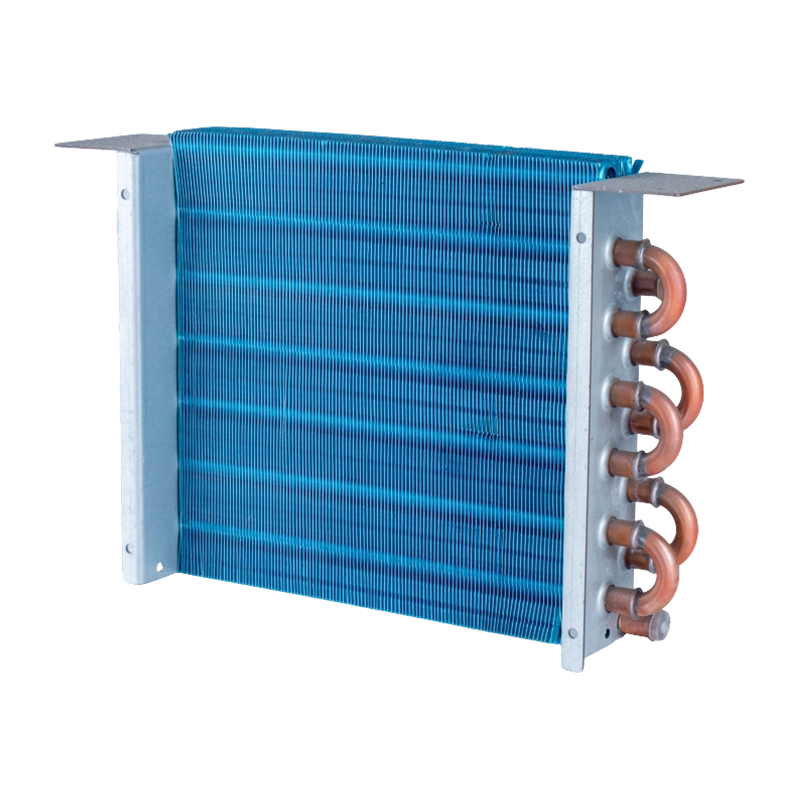
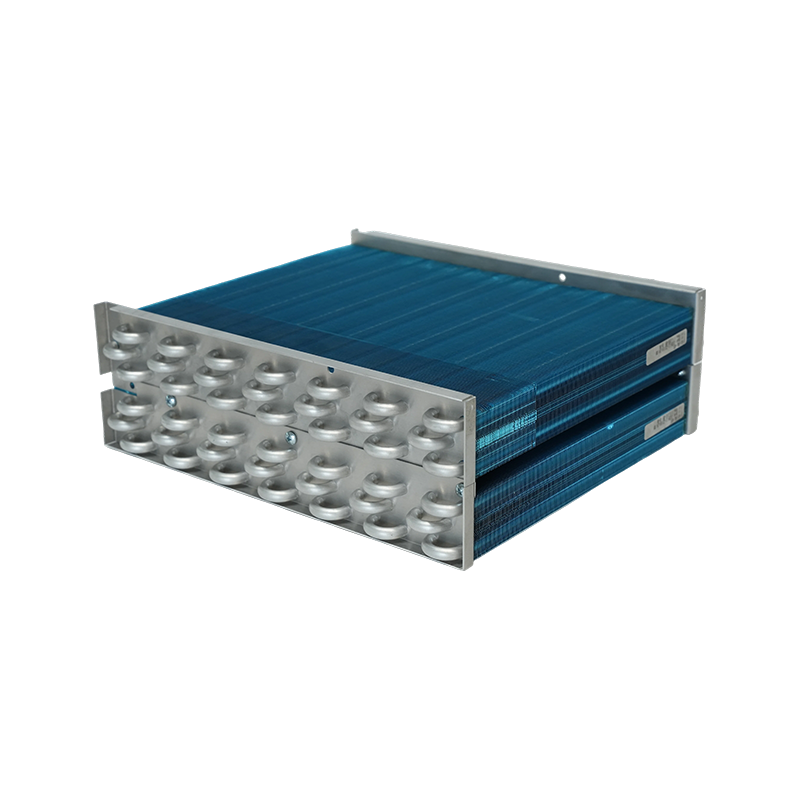
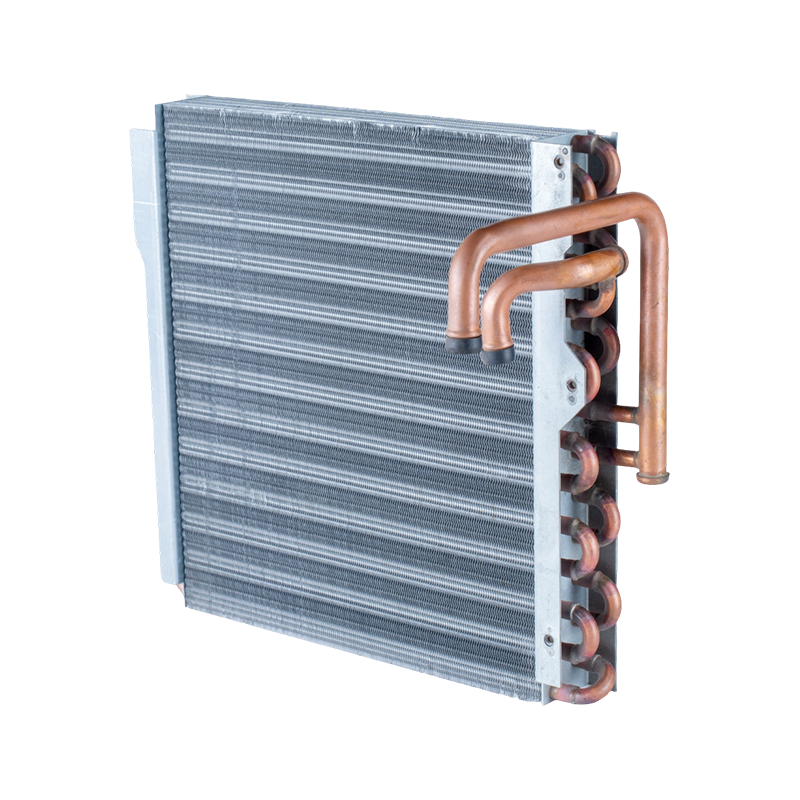
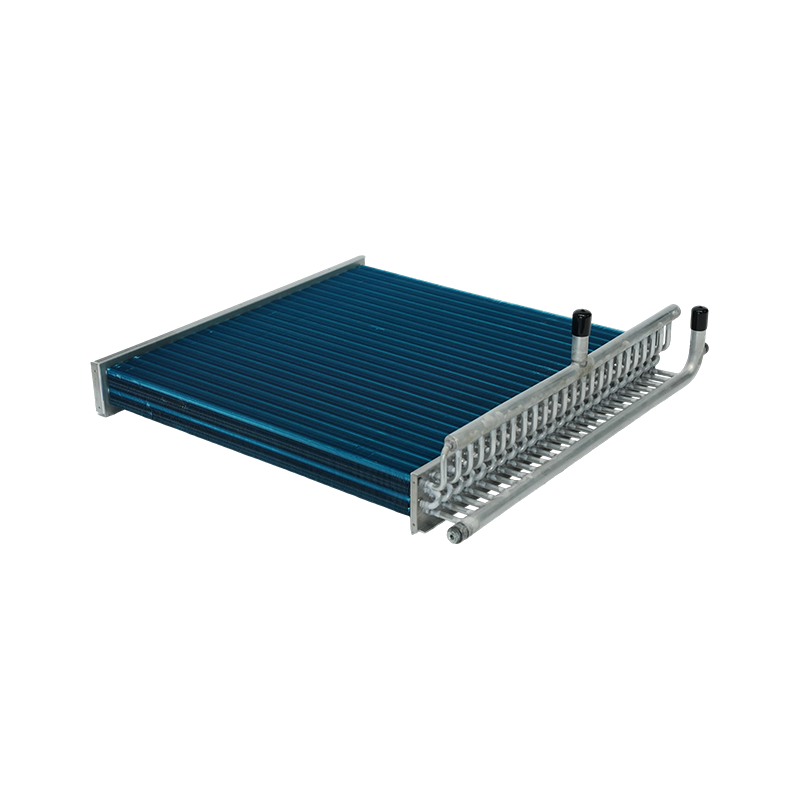
Core Dimensions: 315 (L) x 25.4 (W) x 281 (H) mm
Mold Size: 7 x 21 x 12.7mm
Fin Type: Hydrophilic aluminum foil (1.5mm thick aluminum plate.)
Material: All- aluminum(fin spacing 1.75mm , fin thickness 0.105mm)
piping : copper-aluminum welded
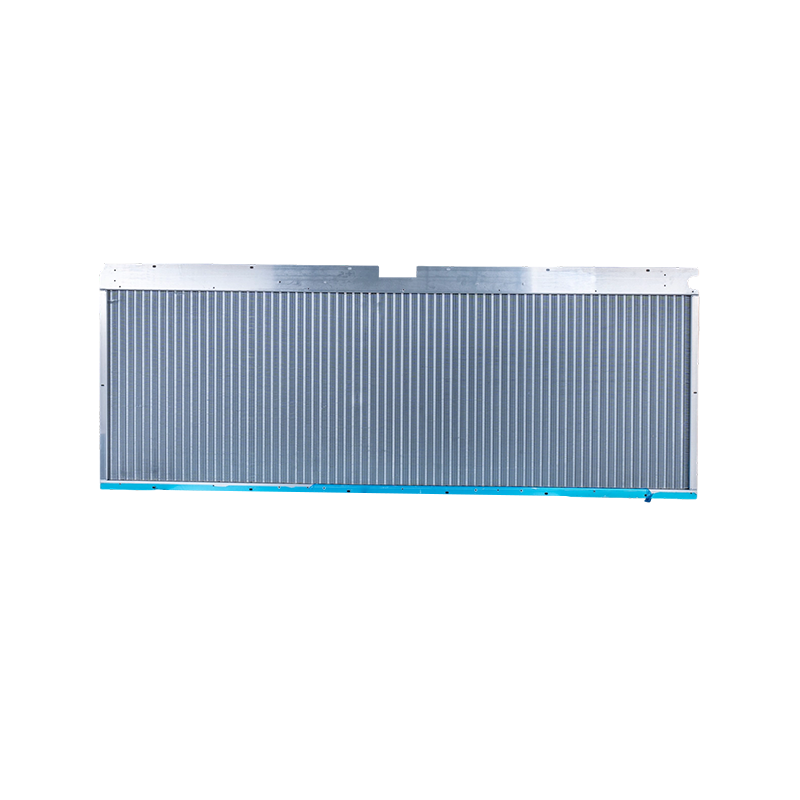
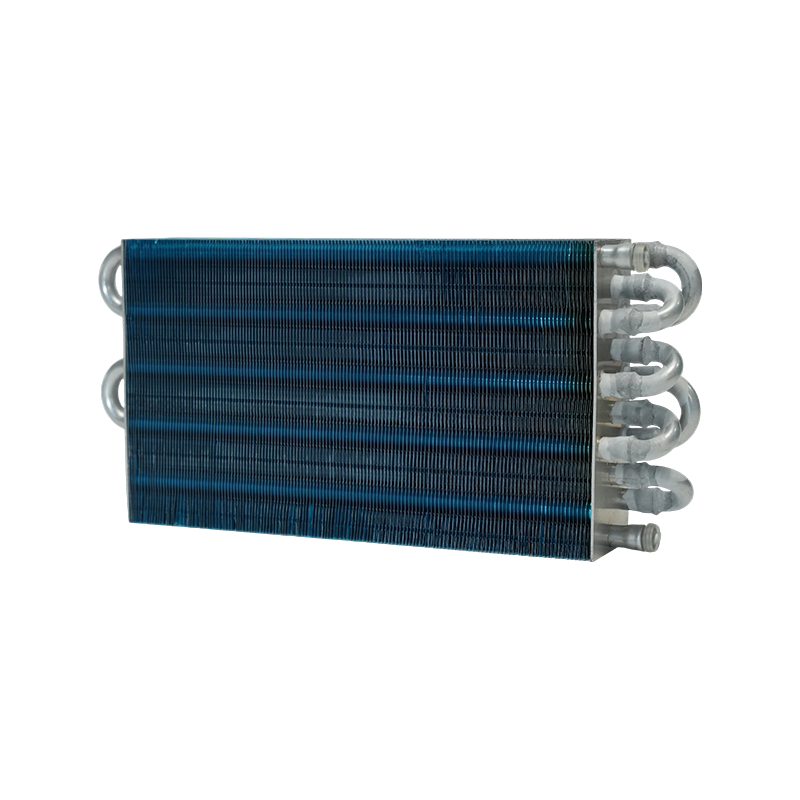
The company's main products are aluminum tube type two-phase heat exchangers. Custom Light-Duty Dehumidifier Heat Exchanger Coil Factory.

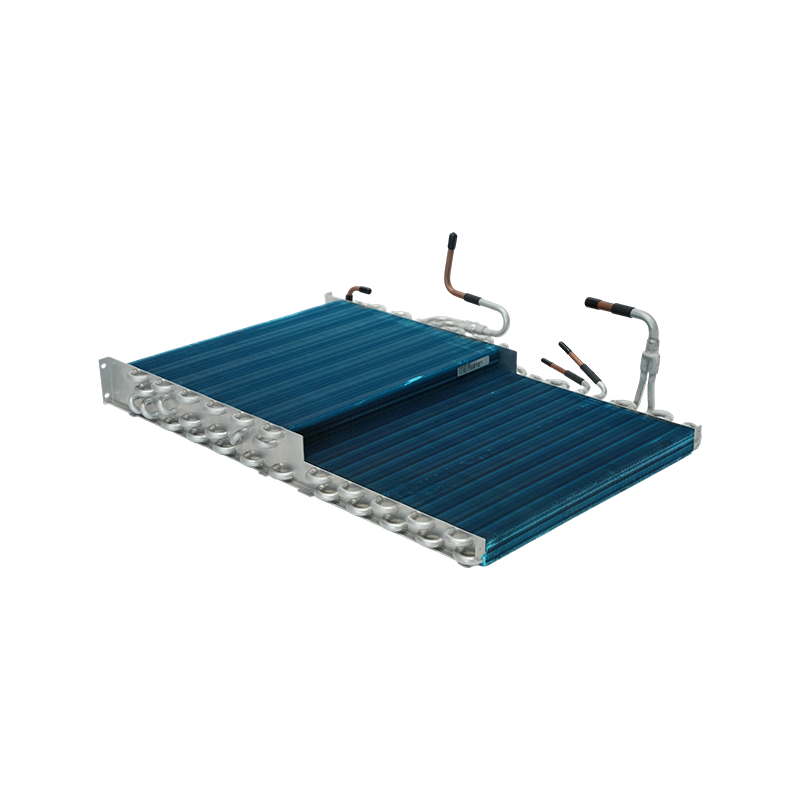
Core Dimensions: 315 (L) x 25.4 (W) x 281 (H) mm
Mold Size: 7 x 21 x 12.7mm
Fin Type: Hydrophilic aluminum foil (1.5mm thick aluminum plate.)
Material: All- aluminum(fin spacing 1.75mm , fin thickness 0.105mm)
piping : copper-aluminum welded
The heat exchanger for a lightweight dehumidifier is designed to deliver efficient moisture control and stable thermal performance for a wide range of applications.
The core features a compact structure with dimensions of 315 mm in length, 25.4 mm in width, and 38.1 mm in height, with an overall height of 281 mm and mold dimensions of 7 × 21 × 12.7. This optimized size allows easy integration into dehumidifiers and air treatment systems without increasing equipment volume.
The heat exchanger uses hydrophilic aluminum foil with a sheet spacing of 1.75 mm and a sheet thickness of 0.105 mm.
This fin design increases the effective heat exchange area, improves water drainage, and enhances dehumidification efficiency, even in high-humidity environments.
Copper-aluminum welded piping ensures secure, leak-resistant connections and supports smooth refrigerant flow, combining the advantages of both materials.
An all-aluminum core, together with durable 1.5 mm aluminum sheet metal, provides a lightweight yet robust structure with excellent corrosion resistance and long service life.


A buyer compares two quotes for the same duty: a 9 kW direct-expansion evaporator for a rooftop unit. One supplier ships in 21 days, the other in 45. The price gap is 34 percent. Both drawings show the same face area, the same fin spacing, and the same tube diameter. The difference hides in three l...
READ MOREA maintenance technician stops in front of a rooftop unit that is blowing warm air on a hot afternoon. The filter is clean, the thermostat is correctly set, and both fans are running. The problem is almost certainly inside the sealed refrigerant loop. That loop, repeated in nearly every air conditi...
READ MOREWhen a chiller leaves the factory, its efficiency, reliability and operating cost have already been determined by a small set of design choices. The most consequential of those choices sit inside the refrigerant circuit: the evaporator, where heat is absorbed from the building water loop, and the c...
READ MOREA Light-Duty Dehumidifier Heat Exchanger Coil requires an optimized balance between compact structure, efficient moisture removal, and stable long-term operation. In light-duty dehumidifiers, the heat exchanger coil directly affects condensation efficiency because it controls how effectively warm humid air is cooled below its dew point. A well-designed coil allows faster moisture separation while reducing unnecessary energy consumption during daily operation.
For compact household and portable dehumidification equipment, space utilization is a key design consideration. Engineers need to optimize tube arrangement, fin density, and airflow channels to achieve high heat transfer performance without increasing the overall size or weight of the equipment.
Material selection plays an important role in heat exchanger manufacturing. While traditional copper materials provide excellent thermal conductivity, modern refrigeration equipment increasingly requires lightweight components, efficient production, and better cost control. High-performance aluminum tube technology provides a practical solution by combining reliable heat transfer capability with advantages in manufacturing efficiency.
Hangzhou Yijie Refrigeration Technology Co., Ltd. has 12 years of deep expertise in heat exchanger development and holds multiple core technologies. Breaking through the limitations of traditional copper material, the company adopts high-performance aluminum tube technology. This reduces material costs by more than 30% while offering significant advantages in mass production, helping customers achieve improved production efficiency and competitive product pricing.
Dehumidifier heat exchanger coils frequently operate in environments with high humidity and continuous condensation. Moisture exposure can accelerate material degradation if the coil does not have sufficient corrosion resistance. Therefore, durability testing and material protection are essential factors when selecting heat exchanger components for long-term operation.
| Verification Item | Importance for Dehumidifiers |
| 500-hour standard salt spray test | Improves resistance against moisture-related corrosion |
| 50,000 pressure cycle verification | Ensures reliability during repeated refrigeration cycles |
| High compressive strength performance | Enhances structural durability and reduces failure risks |
Hangzhou Yijie Refrigeration Technology Co., Ltd. has completed 500-hour standard salt spray tests and 50,000 pressure cycle verification for its heat exchanger products. The corrosion resistance and compressive strength of these products far exceed national standards, providing dependable performance for dehumidifiers and other refrigeration applications.
Different dehumidifier models require different coil specifications based on cooling capacity, airflow volume, refrigerant type, and installation limitations. Customized heat exchanger coil design allows manufacturers to optimize tube circuits, fin spacing, coil dimensions, and connection positions to achieve better compatibility with specific equipment.
Customized solutions are especially valuable for portable dehumidifiers, residential humidity control equipment, and compact environmental systems where limited space must be combined with efficient moisture removal performance.
Experience from different refrigeration fields contributes to the continuous improvement of heat exchanger coil technology. Applications including household AC, automotive AC, dehumidifiers, cold chain systems, eco-friendly equipment, machine rooms, and warehouses provide valuable engineering experience in airflow optimization, corrosion protection, pressure resistance, and thermal efficiency.
Equipped with strong custom service capabilities, Hangzhou Yijie Refrigeration Technology Co., Ltd. provides heat exchanger solutions for various application scenarios, including household AC, automotive AC, dehumidifiers, cold chain systems, eco-friendly equipment, machine rooms, and warehouses. With 12 years of industry expertise, advanced aluminum tube technology, strict quality verification, and efficient manufacturing capabilities, the company delivers reliable Light-Duty Dehumidifier Heat Exchanger Coil solutions featuring lightweight design, efficient heat transfer, excellent corrosion resistance, and long-term operational stability.
 Light-Duty Dehumidifier Heat Exchanger Coil Manufacturers