Airflow Management Factors Affecting Dehumidifier Evaporator and Condenser Performance
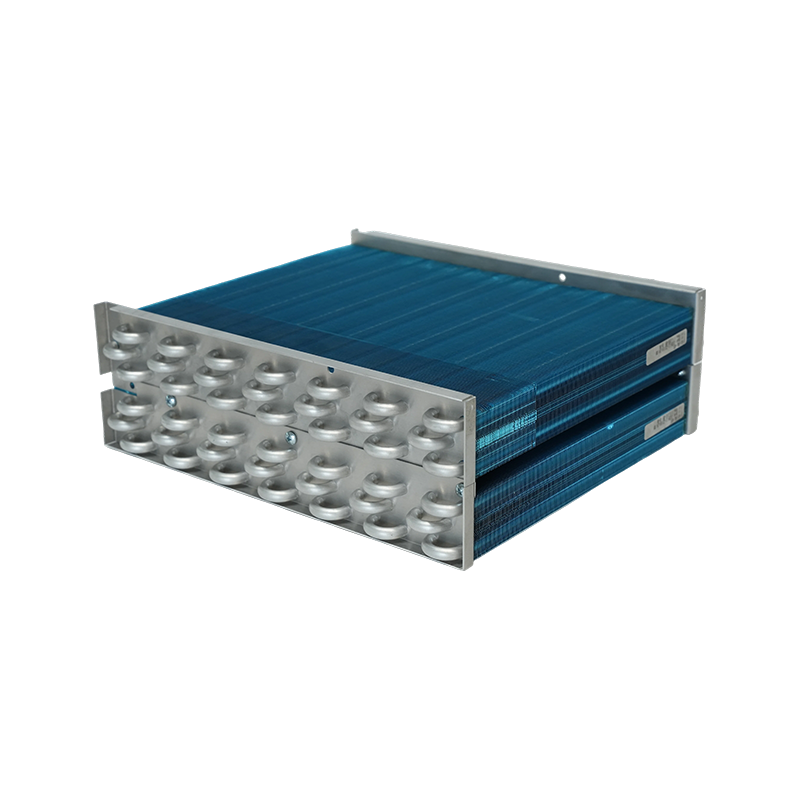
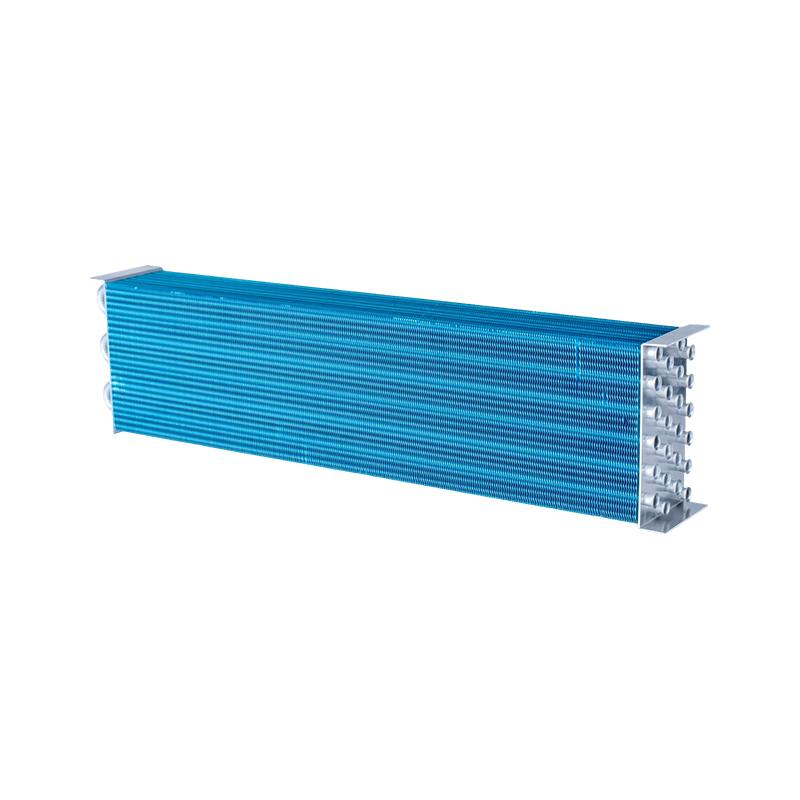
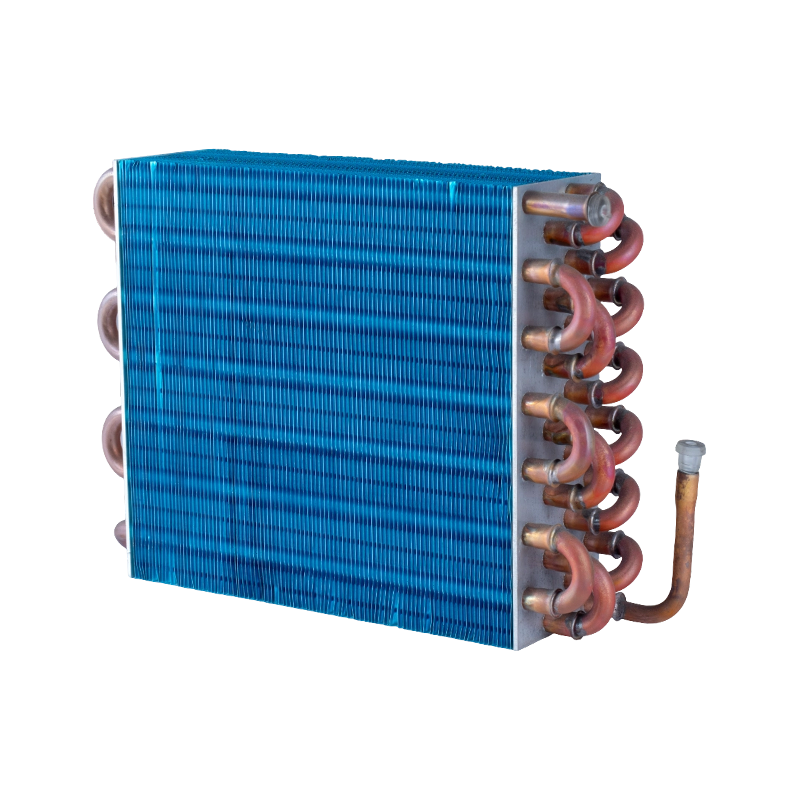
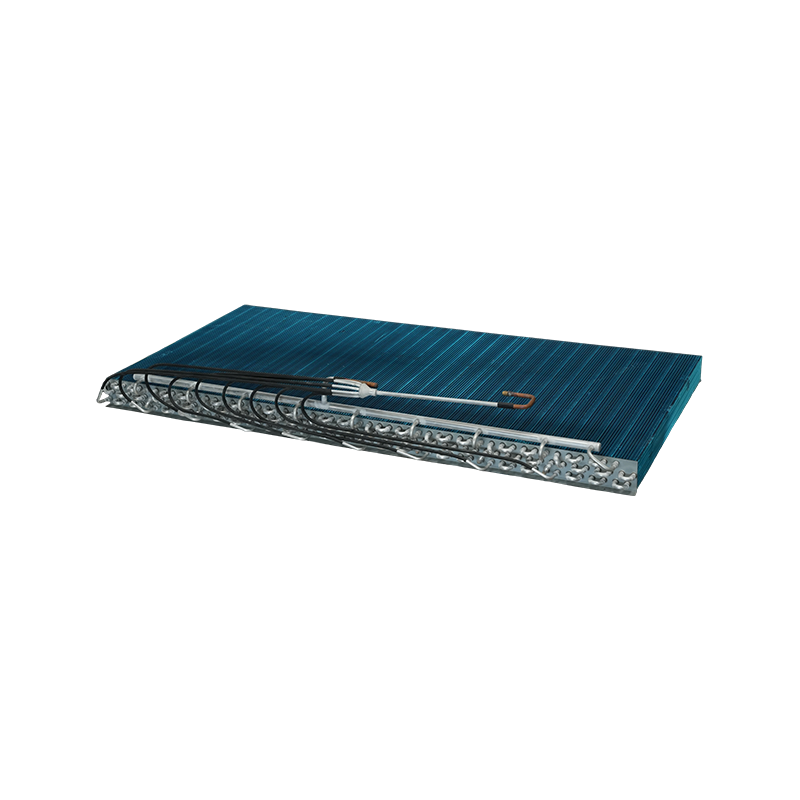
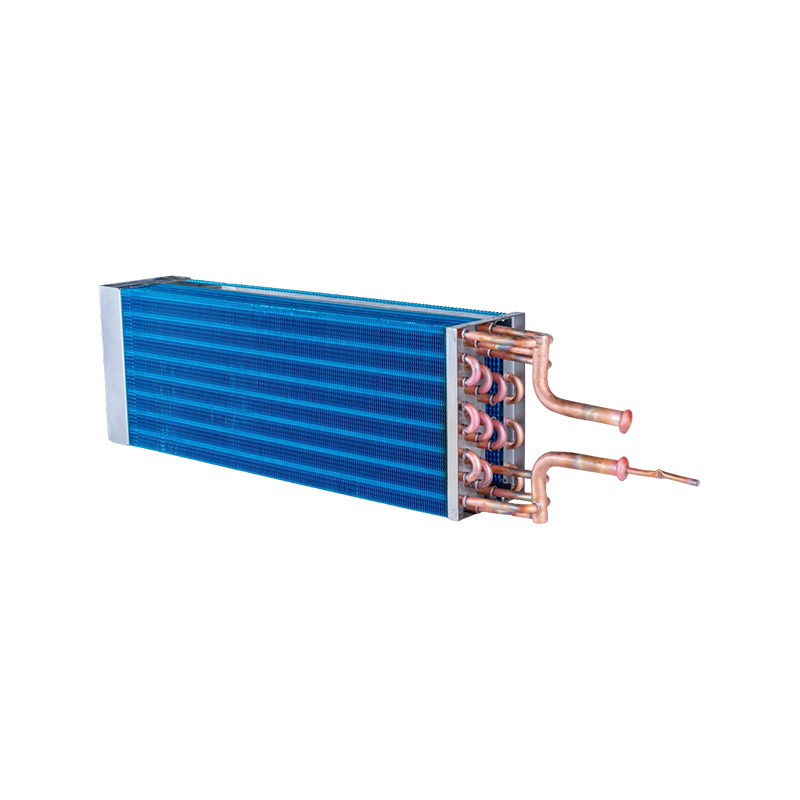
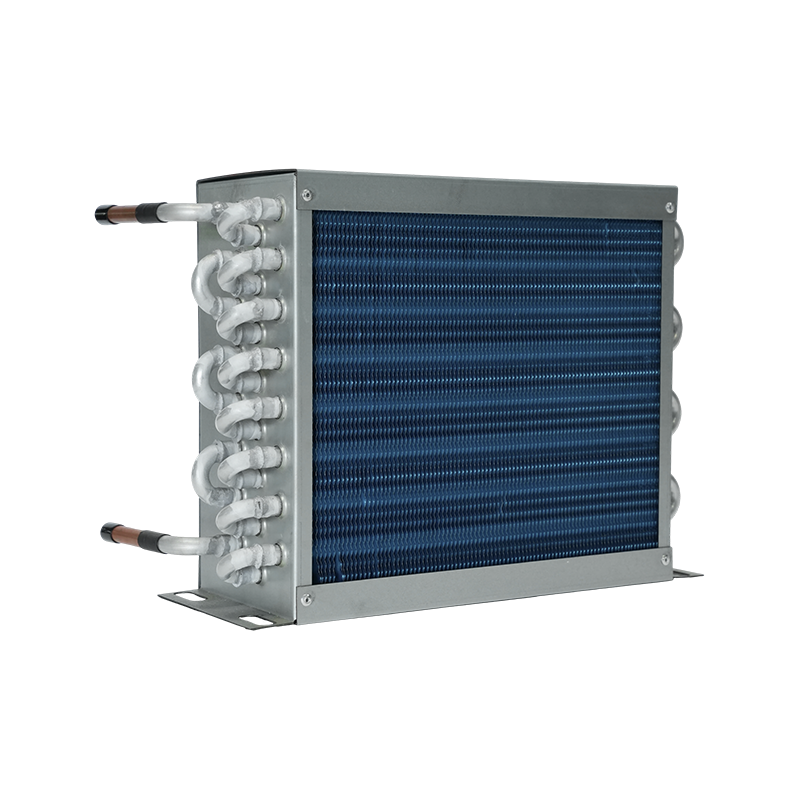
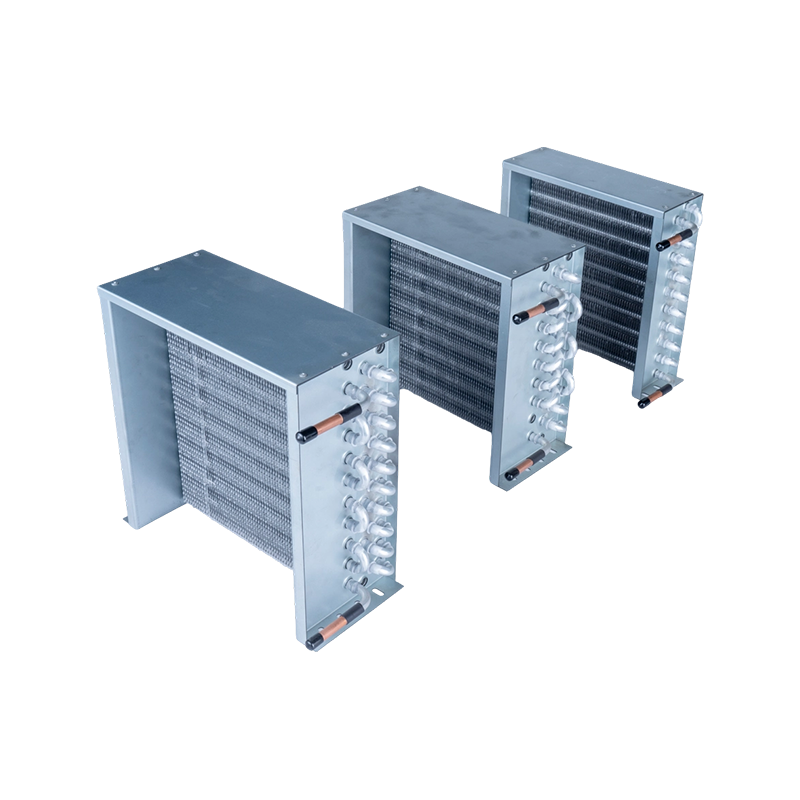
The efficiency of a Dehumidifier Evaporator/Condenser is closely related to airflow distribution inside the equipment. Unlike simple cooling systems, dehumidifiers need to balance two processes at the same time: removing moisture from air and maintaining stable heat transfer. The evaporator surface must provide sufficient cooling capacity for condensation, while the condenser needs to release recovered heat effectively to improve overall system efficiency.
Factors such as fin spacing, tube arrangement, air resistance, and fan performance directly influence the working condition of the heat exchanger. A well-designed evaporator and condenser structure can reduce airflow loss, prevent uneven temperature distribution, and help the dehumidifier maintain consistent moisture removal performance during long-term operation.
- Optimized fin structures improve air contact efficiency and moisture condensation performance.
- Balanced airflow reduces local overheating and improves system stability.
- Suitable tube layouts help maintain uniform refrigerant distribution.
- Compact heat exchanger designs support smaller dehumidifier structures.
Material Selection and Manufacturing Reliability in Dehumidifier Heat Exchangers
Material performance plays an important role in determining the service life and operating reliability of dehumidifier heat exchangers. Because dehumidifiers often work in humid environments, evaporator and condenser components must withstand continuous exposure to moisture, temperature changes, and possible corrosion risks.
Hangzhou Yijie Refrigeration Technology Co., Ltd. has 12 years of deep expertise in heat exchangers and holds multiple core technologies. Breaking through the limitations of traditional copper material, the company adopts high-performance aluminum tube technology. This technology reduces material costs by more than 30% while providing significant advantages in mass production, helping manufacturers achieve reliable heat exchanger solutions with improved production efficiency.
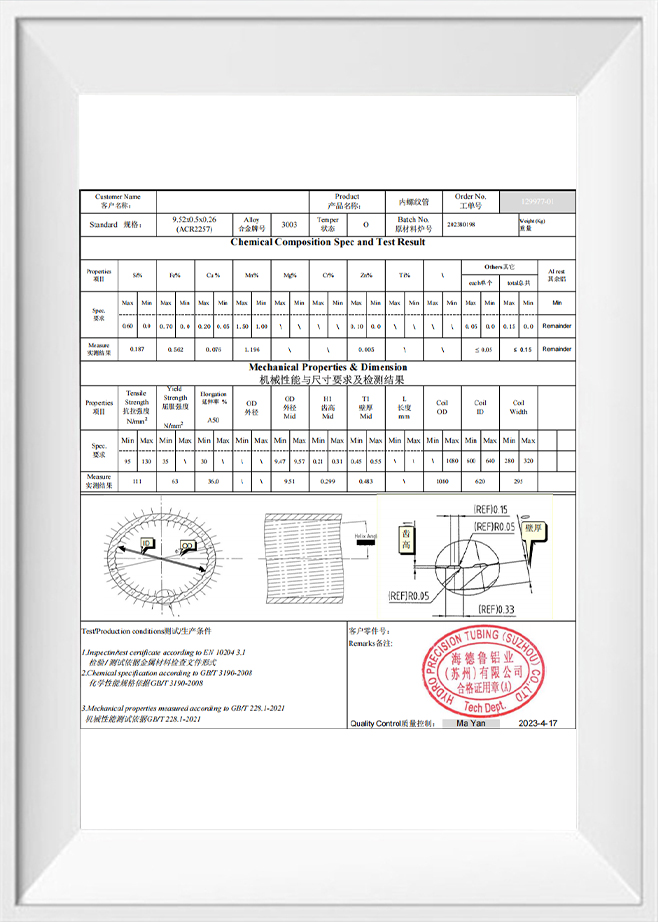
The company's products have passed 500-hour standard salt spray tests and 50,000 pressure cycle verification. Their corrosion resistance and compressive strength far exceed national standards, making them suitable for applications where stable performance is required under long operating cycles.
Comparison of Key Considerations for Dehumidifier Evaporator and Condenser Design
| Consideration |
Influence on Dehumidifier Operation |
| Tube and Fin Structure |
Determines heat transfer efficiency, airflow resistance, and moisture collection capability. |
| Corrosion Resistance |
Affects durability when operating in high humidity environments. |
| Pressure Strength |
Ensures reliable operation under repeated refrigerant pressure changes. |
| Customization Capability |
Allows heat exchangers to match different equipment sizes and application requirements. |
Application Adaptability of Heat Exchangers in Different Dehumidification Environments
Different operating environments place different demands on evaporators and condensers. Dehumidifier Evaporator/Condenser usually focus on compact size and quiet operation, while industrial dehumidification equipment requires stronger heat transfer capacity and continuous working stability. Therefore, heat exchanger design needs to consider installation space, humidity level, operating time, and maintenance requirements.
With strong custom service capabilities, Hangzhou Yijie Refrigeration Technology Co., Ltd. provides heat exchanger solutions applied across a wide range of scenarios, including household AC, automotive AC, dehumidifiers, cold chain systems, eco-friendly equipment, machine rooms, and warehouses. This diversified application experience allows different equipment manufacturers to select suitable heat exchanger structures according to actual operating conditions.
- Residential dehumidifiers require compact structures with stable moisture removal performance.
- Commercial systems focus on continuous operation and energy efficiency.
- Cold chain and warehouse environments require reliable heat transfer under long working periods.
Maintenance Factors That Influence Long-Term Dehumidifier Efficiency
Regular maintenance conditions can significantly affect the actual performance of a dehumidifier heat exchanger. Dust accumulation on fins, restricted airflow, and surface contamination may reduce heat transfer efficiency even when the original heat exchanger design is highly optimized.
Proper cleaning intervals, suitable installation environments, and correct airflow conditions help maintain stable operation. For equipment used in humid areas or continuous-duty applications, selecting heat exchangers with strong corrosion resistance and verified pressure durability can reduce maintenance frequency and improve operating reliability throughout the equipment lifecycle.

 English
 Español
 عربى
عربى