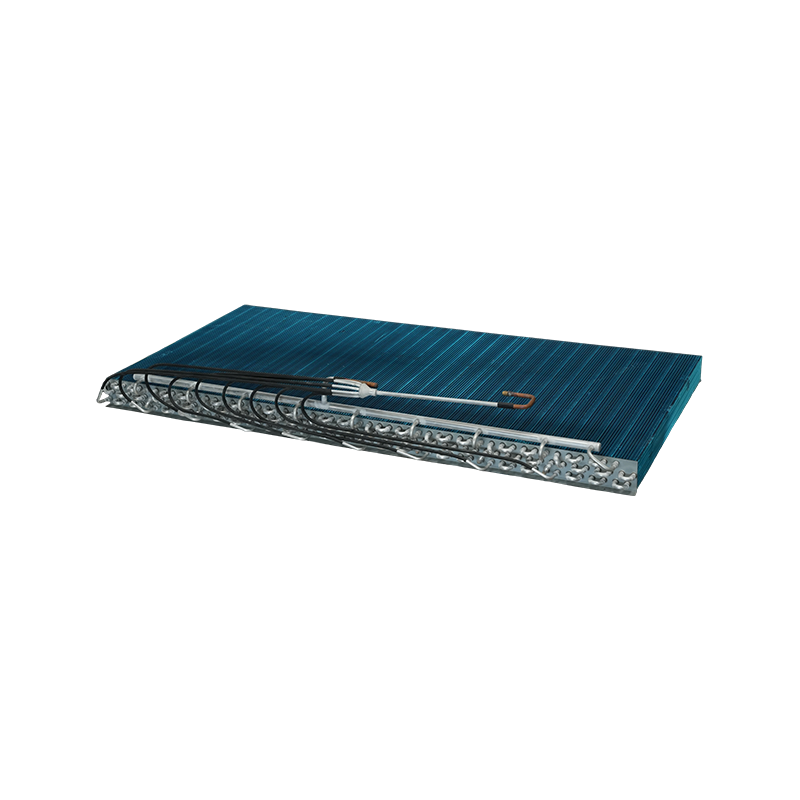
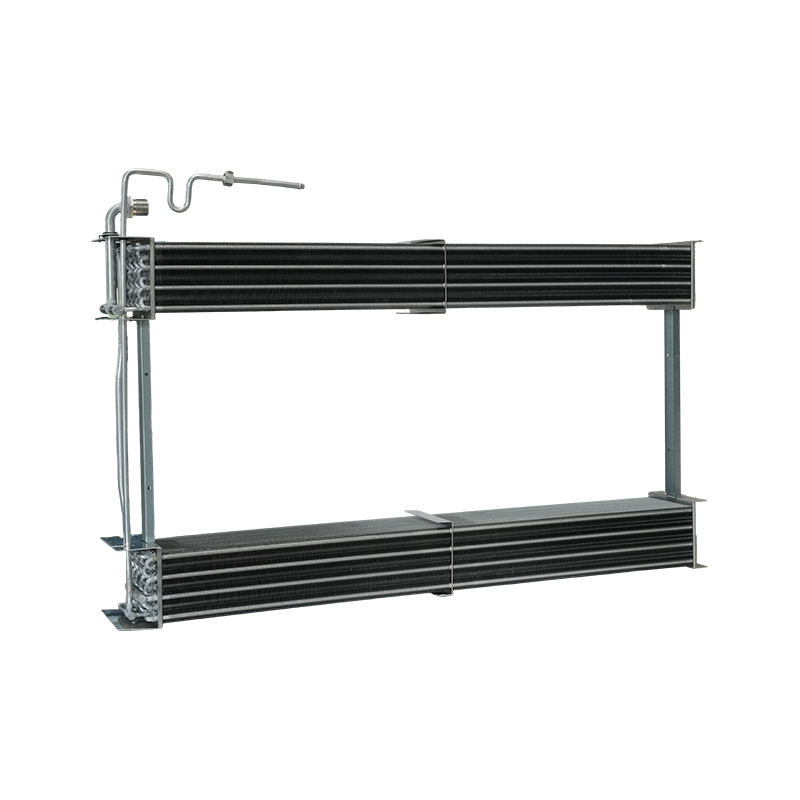
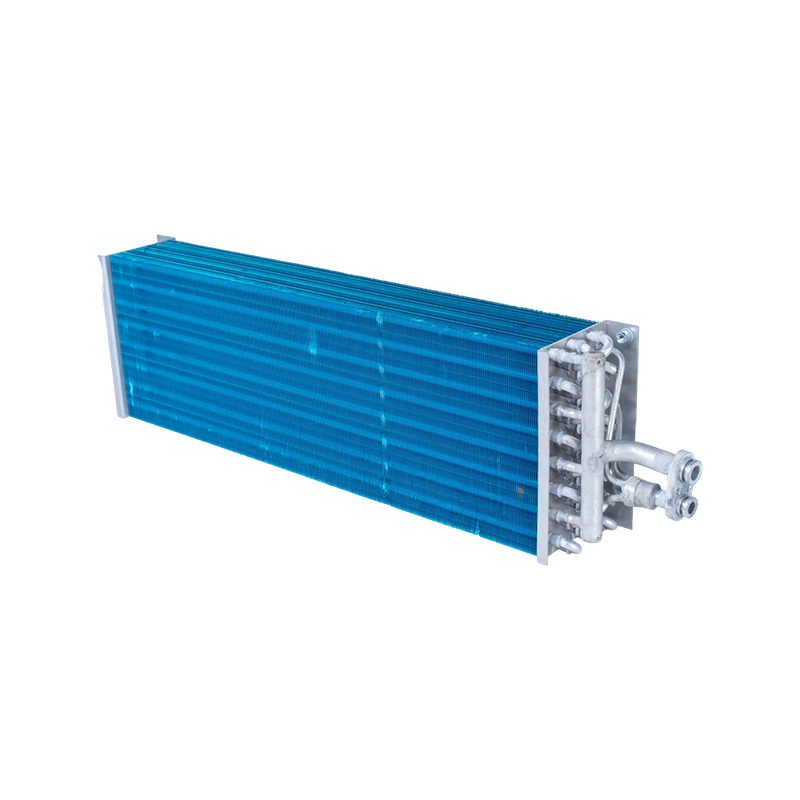
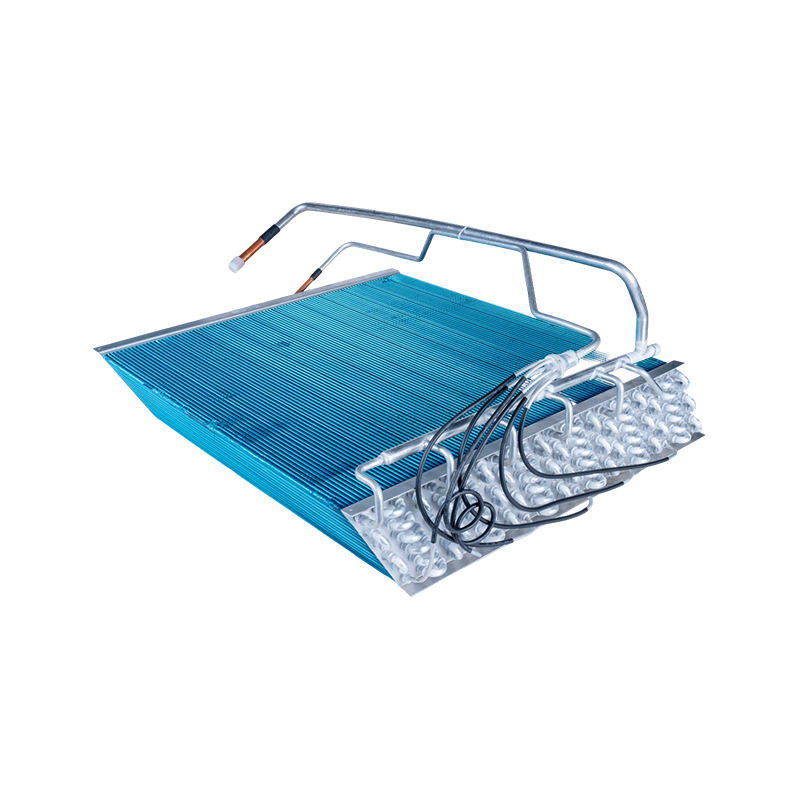
Why Aluminum Tube Technology is Revolutionizing Grain Storage Evaporators
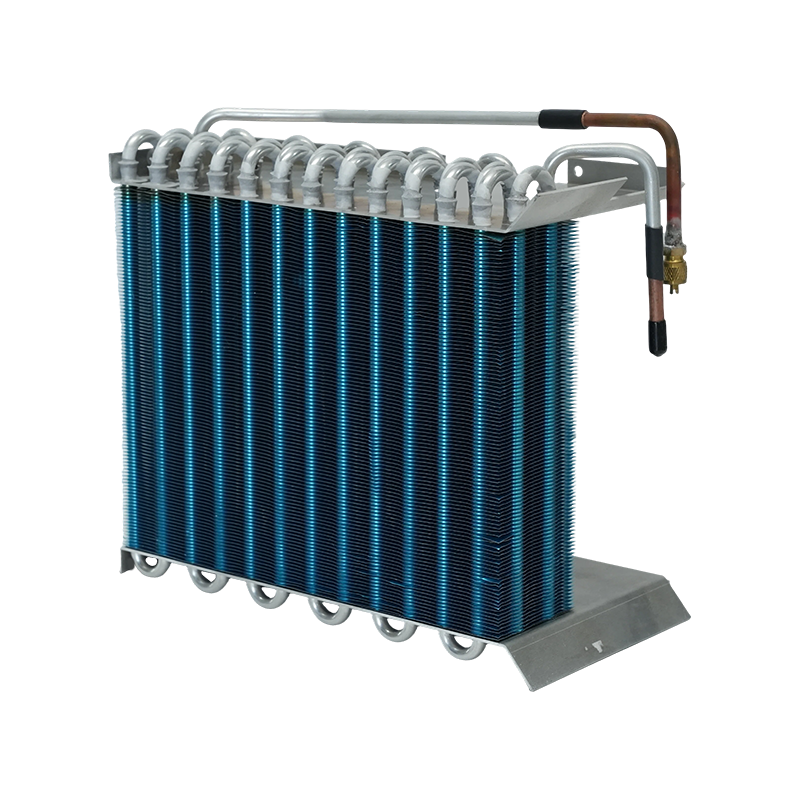
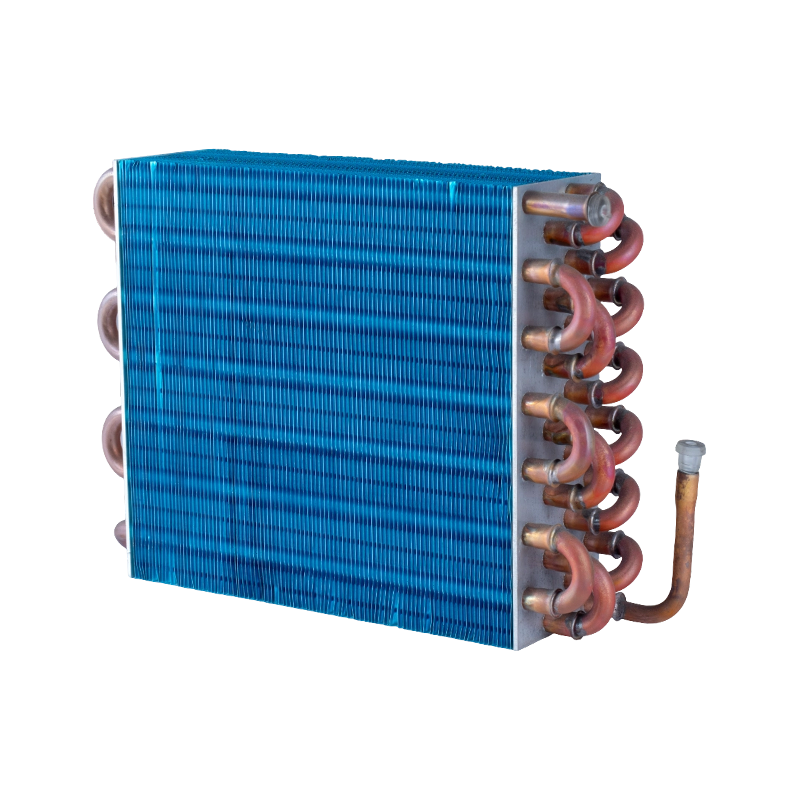
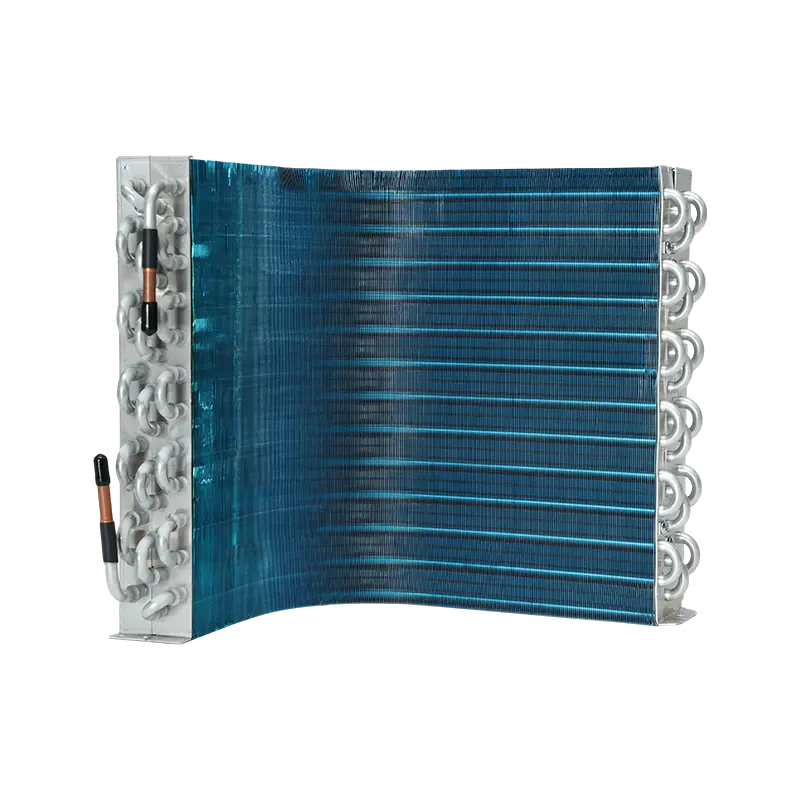
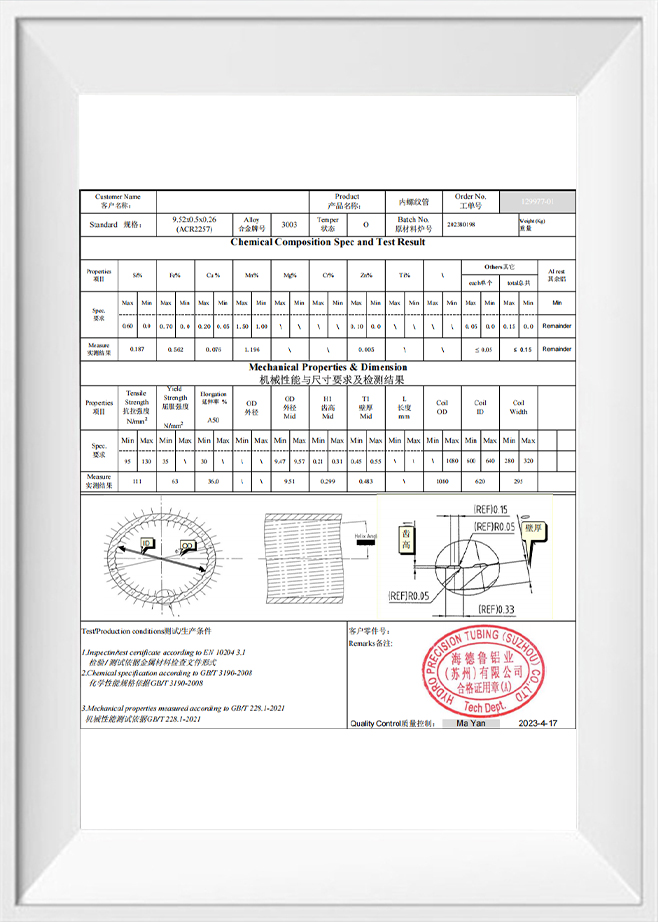
Hangzhou Yijie Refrigeration Technology Co., Ltd. has 12 years of deep expertise in heat exchangers and hold multiple core technologies. Breaking through the limitations of traditional copper material, we adopt high-performance aluminum tube technology. This reduces material costs by more than 30% while offering significant advantages in mass production. Our products have passed 500-hour standard salt spray tests and 50,000 pressure cycle verification. Their corrosion resistance and compressive strength far exceed national standards. Equipped with strong custom service capabilities, our products are applied across a wide range of scenarios, including household AC, automotive AC, dehumidifiers, cold chain system, eco-friendly equipment, machine rooms, and warehouses.
The shift from copper to aluminum in grain storage evaporators represents one of the most significant material innovations in refrigeration engineering over the past decade. Traditional copper-based evaporators, while reliable, present substantial cost barriers for large-scale agricultural applications where multiple units may be required across extensive storage facilities. Aluminum's lighter weight also reduces structural support requirements in warehouse installations, lowering overall infrastructure costs. The advanced manufacturing processes now enable aluminum tubes to achieve thermal conductivity rates that approach 90% of copper performance while maintaining superior formability for complex coil designs optimized for grain drying environments.
Corrosion Resistance Challenges in Grain Storage Environments
Grain storage facilities present uniquely aggressive conditions for evaporator components due to the combination of high humidity levels, organic dust particles, and occasional chemical treatments used for pest control. Standard evaporators without proper corrosion protection typically experience degradation within 2-3 years in these environments, leading to refrigerant leaks and costly downtime during critical harvest seasons. The 500-hour standard salt spray test certification demonstrates that modern aluminum tube evaporators can withstand prolonged exposure to corrosive atmospheres that would rapidly deteriorate unprotected metal surfaces.
- Organic acids released during grain respiration create acidic microenvironments around evaporator coils that accelerate conventional metal corrosion
- Dust accumulation on coil surfaces traps moisture and creates localized corrosion cells that penetrate protective coatings
- Temperature cycling between day and night operations causes condensation patterns that concentrate corrosive agents at specific contact points
- Fumigation chemicals containing phosphine or methyl bromide residues can react with metal surfaces when combined with ambient moisture
Protective Coating Technologies for Extended Service Life
Advanced hydrophilic coatings applied to aluminum evaporator fins serve dual purposes in grain storage applications. These nano-scale treatments not only improve heat transfer efficiency by promoting uniform condensate film formation but also create a physical barrier against corrosive particulates. The coating thickness typically ranges from 3-5 micrometers, thin enough to avoid impacting thermal performance while providing measurable protection against chloride ions and sulfur compounds commonly found in agricultural settings. Regular maintenance protocols should include quarterly inspection of coating integrity, particularly in facilities storing high-moisture grains like rice or corn immediately after harvest.
Pressure Cycle Durability and Structural Integrity Considerations
The 50,000 pressure cycle verification standard addresses a critical failure mode often overlooked in evaporator selection for grain storage systems. Unlike commercial HVAC applications with relatively stable operating conditions, grain storage evaporators experience frequent start-stop cycles driven by humidity control requirements and seasonal temperature variations. Each thermal expansion and contraction event subjects tube-to-header joints and fin connections to mechanical stress that accumulates over time. Units validated through rigorous pressure cycling demonstrate fatigue resistance that translates to 8-10 year service life in continuous agricultural operations, compared to 4-5 years for non-validated alternatives.
| Operational Parameter |
Standard Units |
High-Durability Units |
| Daily Start-Stop Cycles |
8-12 cycles |
15-20 cycles |
| Pressure Fluctuation Range |
±15% |
±25% |
| Expected Joint Failure Point |
18,000-22,000 cycles |
45,000-55,000 cycles |
| Maintenance Interval |
Every 12 months |
Every 24-30 months |
Customization Strategies for Different Grain Types and Storage Configurations
Effective grain storage evaporator design requires matching thermal capacity and airflow characteristics to specific crop properties and facility layouts. Wheat storage demands different humidity control profiles compared to rice or soybeans, with each grain type exhibiting unique equilibrium moisture content curves that dictate optimal evaporator sizing. Vertical silo installations benefit from evaporators with higher static pressure capabilities to overcome air distribution challenges, while horizontal warehouse configurations prioritize uniform coverage across wider areas. Custom fin spacing adjustments ranging from 1.8mm to 3.2mm allow optimization for either maximum heat transfer density or reduced fouling potential depending on dust load expectations.
Airflow Distribution Patterns in Large-Scale Storage Facilities
Proper evaporator placement within grain storage structures significantly impacts both energy efficiency and product quality preservation. Single-point evaporator installations in facilities exceeding 5,000 cubic meters often create temperature stratification zones where upper grain layers remain inadequately conditioned. Multi-unit distributed systems with synchronized controls maintain temperature differentials below 2°C throughout the storage volume, preventing localized moisture migration that leads to spoilage pockets. Computational fluid dynamics modeling during the design phase identifies optimal evaporator locations based on existing ventilation infrastructure, ceiling height variations, and expected grain loading patterns.
- Corner-mounted evaporators in rectangular warehouses require directional louvers to prevent dead air zones along perpendicular walls
- Circular silo configurations benefit from centrally suspended evaporator units with radial airflow patterns matching natural convection currents
- Multi-story storage buildings need vertically staged evaporator arrays with independent humidity sensors at each level to account for thermal gradient effects
- Temporary storage tents used during peak harvest periods require portable evaporator solutions with quick-connect refrigerant lines and minimal foundation requirements
Energy Efficiency Optimization Through Advanced Control Integration
Modern grain storage evaporators achieve substantial energy savings when integrated with smart control systems that respond dynamically to real-time environmental conditions rather than operating on fixed schedules. Variable frequency drive compressors paired with modulating expansion valves allow evaporator capacity to match actual moisture removal requirements, avoiding the energy waste associated with binary on-off cycling. Predictive algorithms analyzing weather forecasts, grain moisture content trends, and electricity pricing patterns can pre-cool storage spaces during off-peak hours or reduce operation during anticipated low-humidity periods, achieving 25-35% reduction in annual energy consumption compared to conventional thermostat-controlled systems.
The economic impact of these efficiency improvements becomes particularly pronounced in regions with high electricity costs or carbon taxation policies. A typical 50-ton capacity grain storage facility operating aluminum tube evaporators with intelligent controls demonstrates payback periods of 18-24 months through reduced utility expenses alone, excluding additional benefits from improved grain quality preservation and reduced spoilage losses. Remote monitoring capabilities enable facility managers to track evaporator performance metrics across multiple locations, identifying maintenance needs before efficiency degradation affects operational costs or product integrity.

 English
 Español
 عربى
عربى