English
 Español
 عربى
عربى


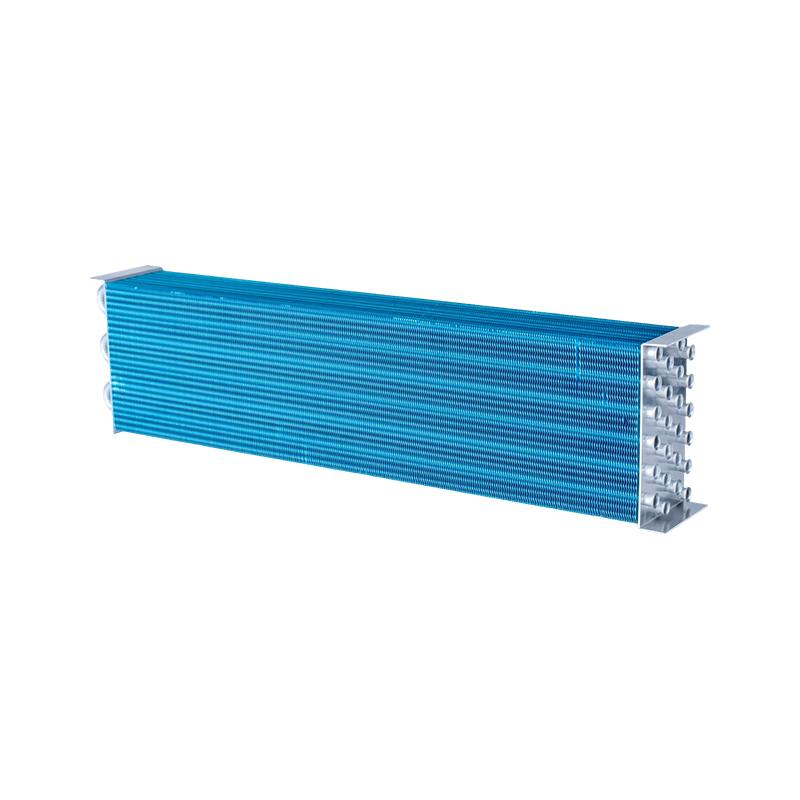
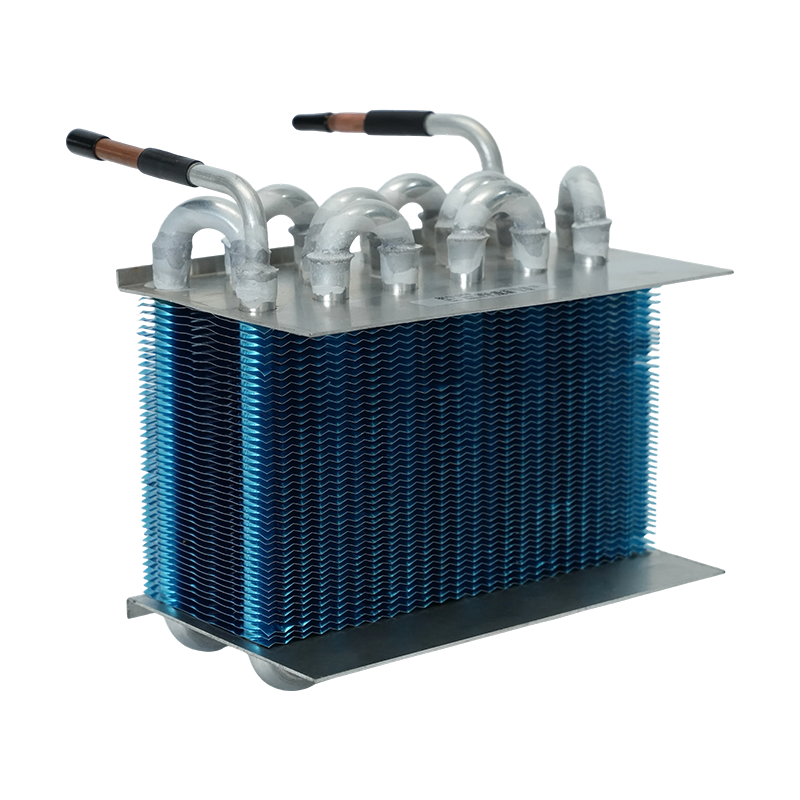
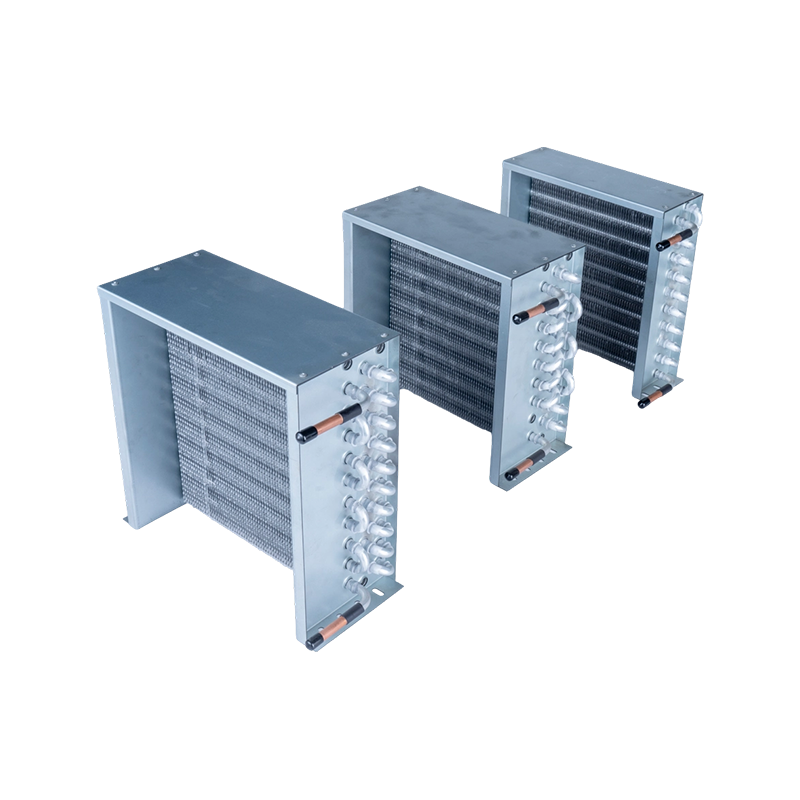
Core Dimensions: 105 (L) x 25.4 (W) x 175 (H) mm
Mold Size: 7 x 21 x 12.7 mm
Fin Type: Hydrophilic corrugated fins (fin spacing 2 mm, fin thickness 0.115 mm)
Material: All-copper construction (1 mm galvanized steel)
The company's main products are aluminum tube type two-phase heat exchangers. Custom Compact Copper Condenser Factory.

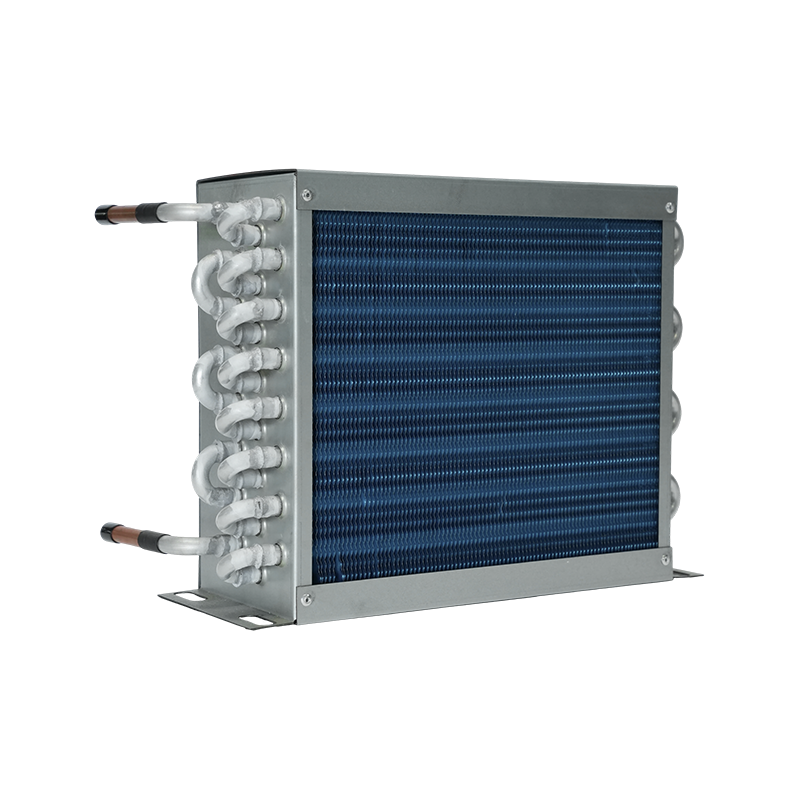
Core Dimensions: 105 (L) x 25.4 (W) x 175 (H) mm
Mold Size: 7 x 21 x 12.7 mm
Fin Type: Hydrophilic corrugated fins (fin spacing 2 mm, fin thickness 0.115 mm)
Material: All-copper construction (1 mm galvanized steel)
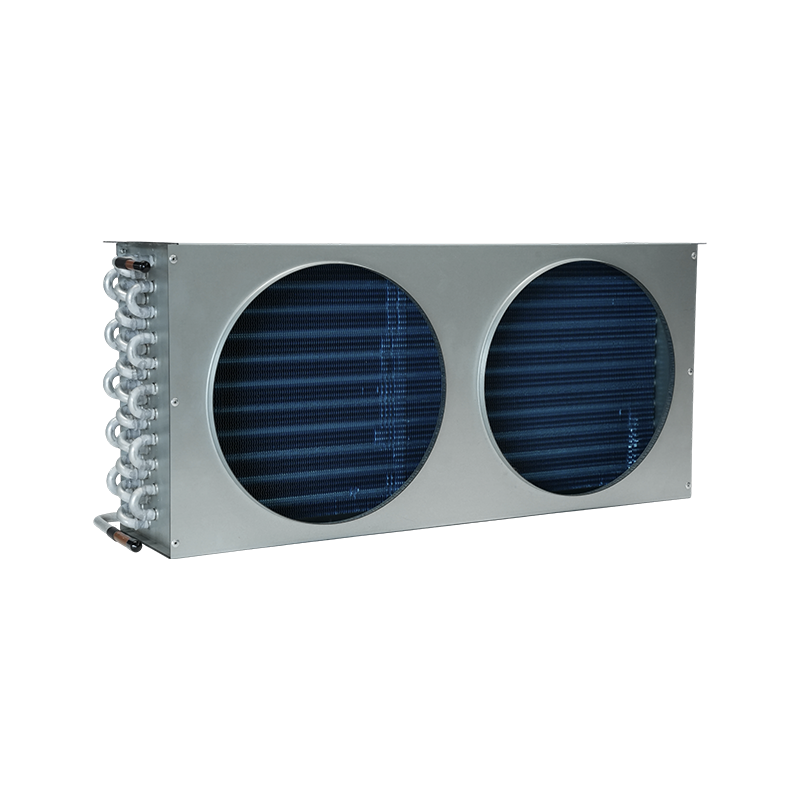
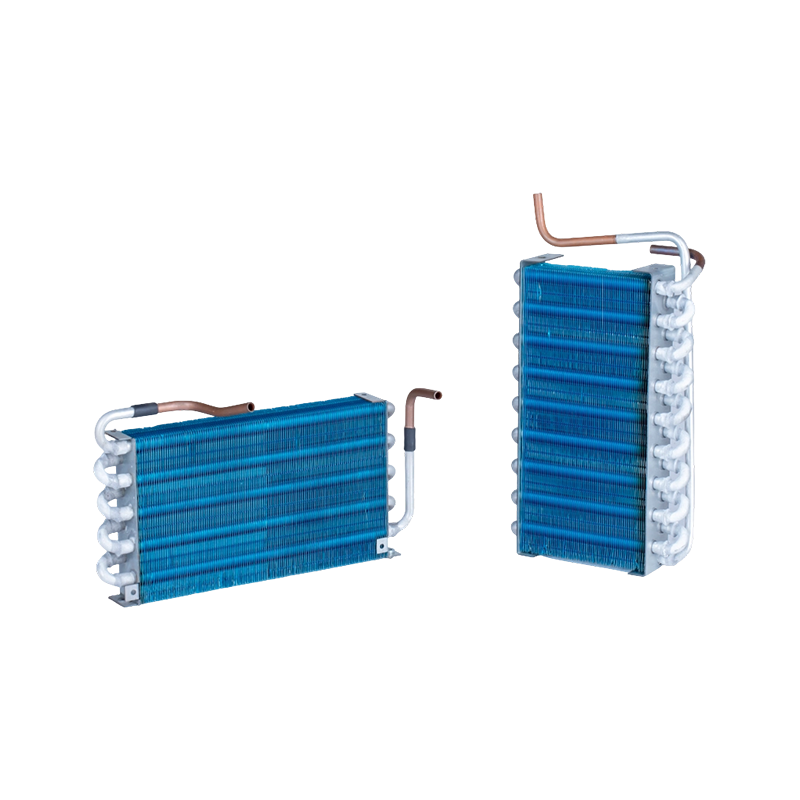
The compact condenser is engineered to deliver efficient and reliable cooling for a variety of applications, combining high performance with a space-saving design.
Its core measures 105 mm in length, 25.4 mm in width, and 175 mm in height, with mold dimensions of 7 × 21 × 12.7, offering a compact structure that can be easily integrated into small-scale refrigeration systems, air-conditioning units, and other thermal management applications.
The condenser features hydrophilic corrugated sheets with a 2 mm spacing and a 0.115 mm thickness, which significantly increase the heat transfer surface area while promoting efficient condensate drainage.
This design ensures stable and rapid cooling, maintaining consistent performance even under demanding operational conditions.
The core is constructed entirely from high-quality copper, providing excellent thermal conductivity and reliable heat dissipation, while the 1 mm galvanized steel sheet metal adds structural strength, durability, and corrosion resistance, ensuring long-term reliability.
Widely applied in household and commercial refrigeration units, compact HVAC systems, and small cooling devices, this condenser offers a practical and energy-efficient solution for modern cooling needs.


A buyer compares two quotes for the same duty: a 9 kW direct-expansion evaporator for a rooftop unit. One supplier ships in 21 days, the other in 45. The price gap is 34 percent. Both drawings show the same face area, the same fin spacing, and the same tube diameter. The difference hides in three l...
READ MOREA maintenance technician stops in front of a rooftop unit that is blowing warm air on a hot afternoon. The filter is clean, the thermostat is correctly set, and both fans are running. The problem is almost certainly inside the sealed refrigerant loop. That loop, repeated in nearly every air conditi...
READ MOREWhen a chiller leaves the factory, its efficiency, reliability and operating cost have already been determined by a small set of design choices. The most consequential of those choices sit inside the refrigerant circuit: the evaporator, where heat is absorbed from the building water loop, and the c...
READ MOREA Compact Copper Condenser is widely used in refrigeration and cooling equipment where installation space is limited but stable heat rejection performance is still required. The design of compact condensers requires careful consideration of tube arrangement, heat transfer area, airflow direction, and structural strength to achieve efficient operation within a smaller footprint.
In compact refrigeration systems, reducing condenser size does not simply mean reducing material usage. Engineers need to maintain a balance between heat exchange efficiency and equipment dimensions. Optimized copper tube layouts, fin structures, and refrigerant flow paths help improve thermal performance while allowing the condenser to fit into smaller equipment spaces.
Copper has traditionally been selected for condenser manufacturing because of its excellent thermal conductivity, corrosion resistance, and processing characteristics. In refrigeration systems, copper tubes provide efficient heat transfer between refrigerant and surrounding air, helping maintain stable cooling performance.
However, modern refrigeration equipment requires continuous improvements in manufacturing efficiency, cost control, and environmental adaptability. Manufacturers increasingly evaluate different material technologies and structural designs to achieve better overall performance while meeting application requirements.
Hangzhou Yijie Refrigeration Technology Co., Ltd. has 12 years of deep expertise in heat exchangers and holds multiple core technologies. Breaking through the limitations of traditional copper material, the company adopts high-performance aluminum tube technology. This reduces material costs by more than 30% while offering significant advantages in mass production, providing customers with efficient heat exchanger solutions for different refrigeration scenarios.
Compact condensers often operate in environments where space is restricted and operating conditions vary. Factors such as humidity, temperature changes, refrigerant pressure fluctuations, and external contaminants may influence condenser performance over time. Therefore, reliability testing and structural verification are important parts of condenser quality evaluation.
| Performance Factor | Influence on Condenser Operation |
| Thermal Conductivity | Determines the efficiency of heat transfer from refrigerant to surrounding air. |
| Corrosion Resistance | Helps maintain stable performance in humid and challenging environments. |
| Pressure Strength | Ensures safe operation during repeated refrigeration cycles. |
Hangzhou Yijie Refrigeration Technology Co., Ltd. verifies product reliability through strict testing standards. Its heat exchanger products have passed 500-hour standard salt spray tests and 50,000 pressure cycle verification. The corrosion resistance and compressive strength far exceed national standards, ensuring dependable performance in refrigeration applications.
For refrigeration equipment manufacturers, production efficiency is an important factor when selecting condenser solutions. Compact condenser structures require precise processing technology to ensure consistent tube placement, reliable connections, and stable heat exchange performance during large-scale manufacturing.
Advanced manufacturing processes allow condensers to achieve better consistency between individual units. This is especially important for household appliances, commercial refrigeration equipment, and industrial cooling systems where stable product quality directly affects final equipment performance.
The selection of a compact condenser depends on the specific refrigeration system, installation environment, and cooling requirements. Different applications may require different condenser dimensions, airflow designs, and heat exchange capacities to achieve the best operating results.
Hangzhou Yijie Refrigeration Technology Co., Ltd. provides customized heat exchanger solutions with strong custom service capabilities. Its products are applied across a wide range of scenarios, including household AC, automotive AC, dehumidifiers, cold chain systems, eco-friendly equipment, machine rooms, and warehouses, helping customers select suitable heat exchange solutions for different environments.
Regular maintenance helps maintain condenser heat transfer efficiency throughout the Compact Copper Condenser lifecycle. Dust accumulation, blocked airflow passages, and surface contamination can reduce heat dissipation performance and increase energy consumption. Keeping condenser surfaces clean and ensuring proper ventilation can improve system stability.
In practical refrigeration applications, condenser performance is closely related to installation conditions and operating management. Proper system matching, suitable working environments, and regular inspection help extend equipment service life and maintain reliable cooling performance.

 Compact Copper Condenser Manufacturers