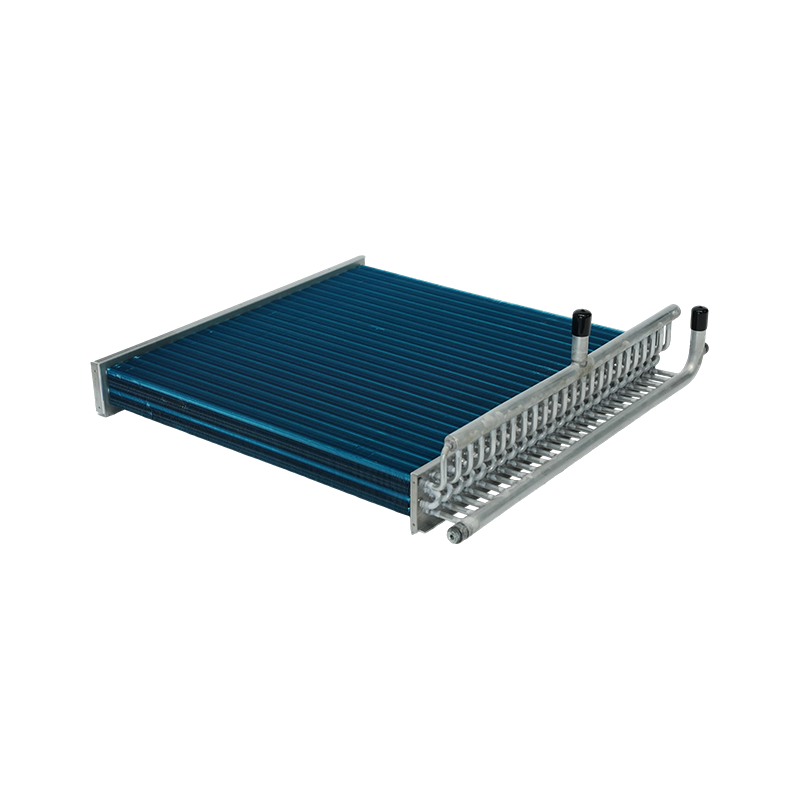
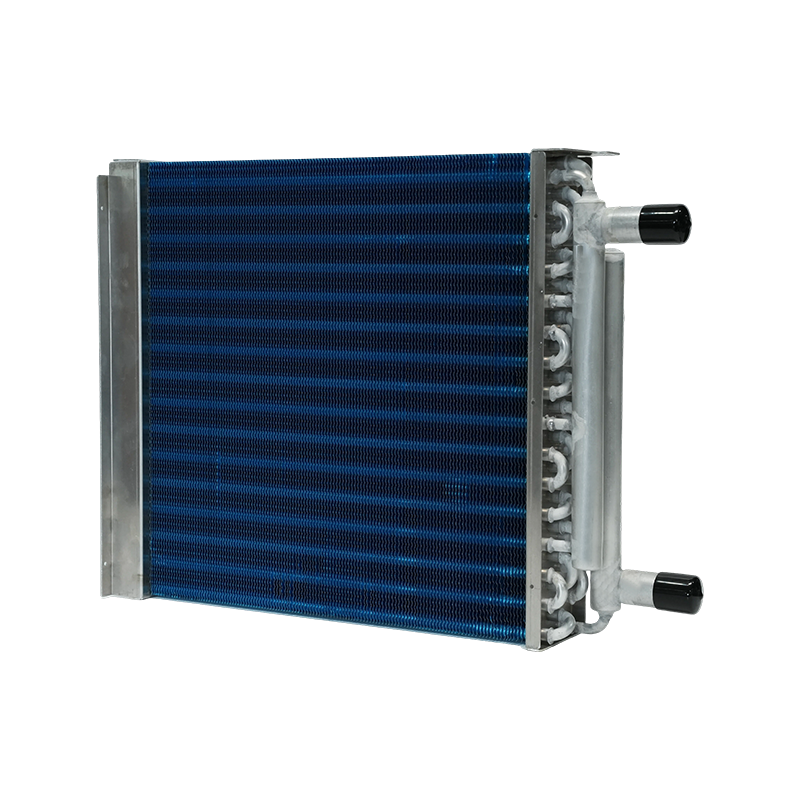
English
 Español
 عربى
عربى


Core Dimensions: 63 (L) x 50.8 (W) x 175 (H) mm
Mold Size: 7 x 21 x 12.7 mm
Fin Type: Hydrophilic aluminum foil (fin spacing 1.6 mm, fin thickness 0.105 mm)
Material: All-aluminum construction (1.5 mm aluminum plate)
The company's main products are aluminum tube type two-phase heat exchangers. Custom Cabinet Heat Exchanger Factory.

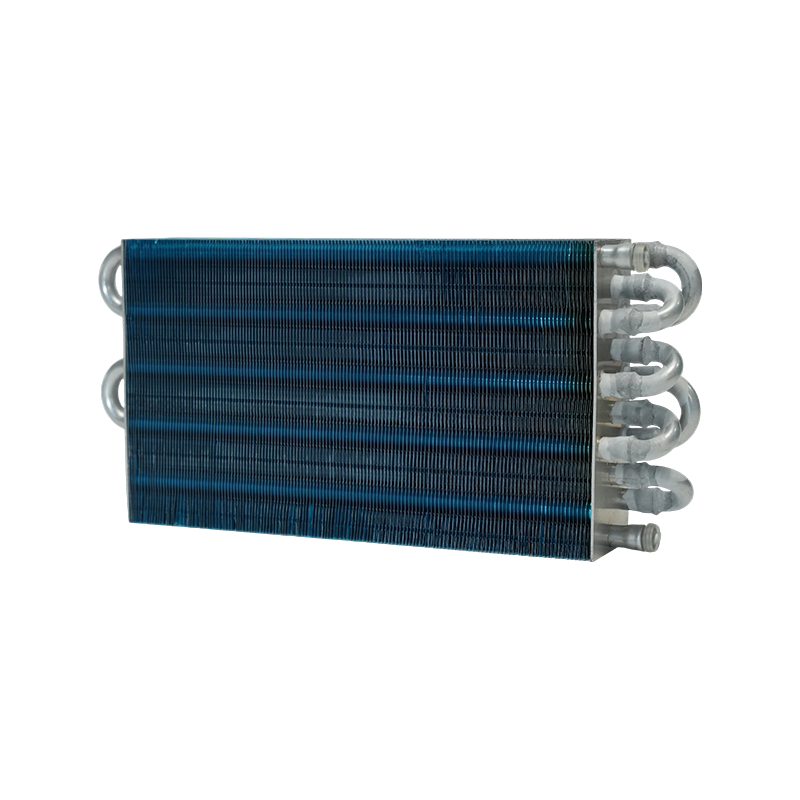
Core Dimensions: 63 (L) x 50.8 (W) x 175 (H) mm
Mold Size: 7 x 21 x 12.7 mm
Fin Type: Hydrophilic aluminum foil (fin spacing 1.6 mm, fin thickness 0.105 mm)
Material: All-aluminum construction (1.5 mm aluminum plate)
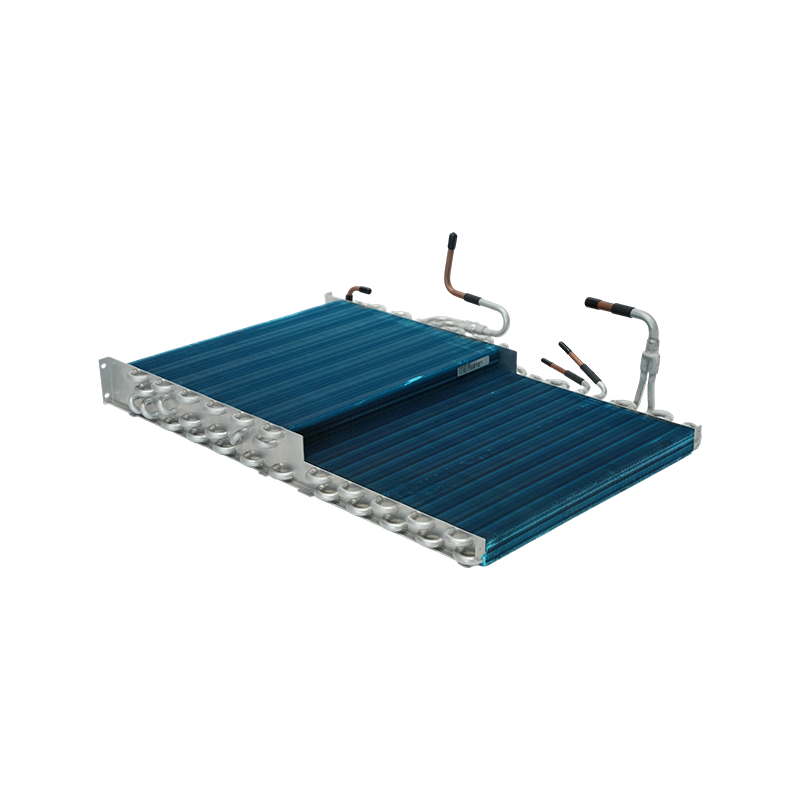
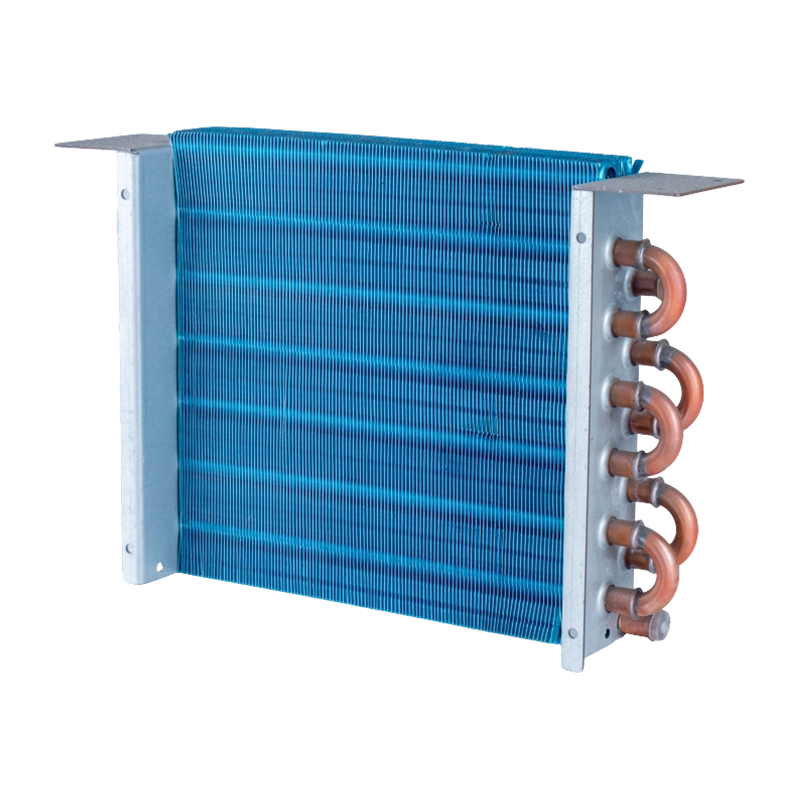
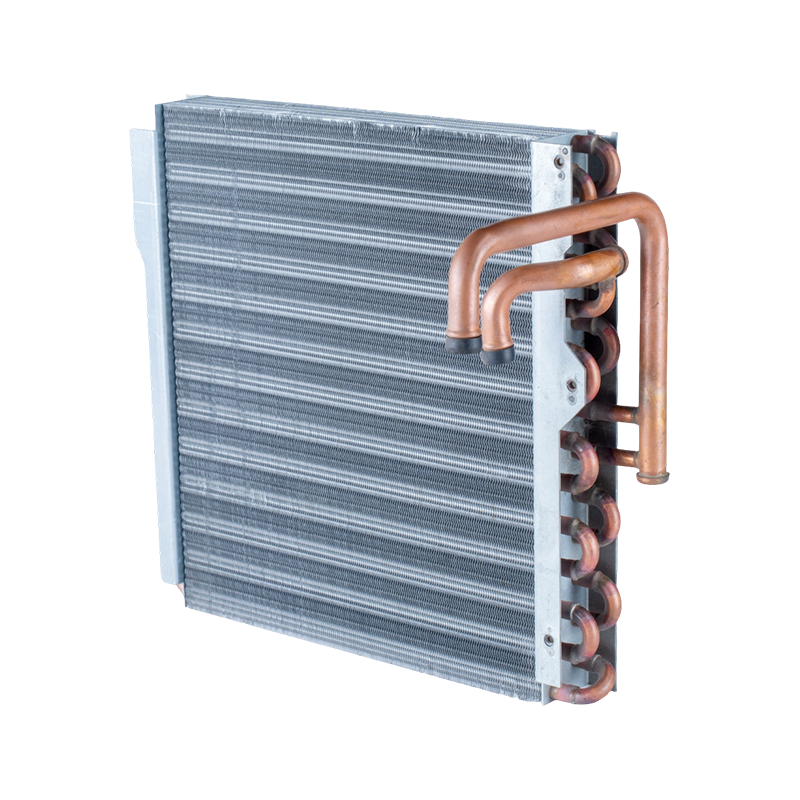
Cabinet heat exchanger is designed to provide efficient, reliable, and precise heating for a variety of residential, commercial, and mobile applications. Its compact core measures 63 mm in length, 50.8 mm in width, and 175 mm in height, with mold dimensions of 7 × 21 × 12.7, offering a space-saving yet highly effective design that can be seamlessly integrated into HVAC systems, home heating units, or portable heating devices.
The blower features hydrophilic aluminum foil with a sheet spacing of 1.6 mm and a sheet thickness of 0.105 mm, which maximizes the heat transfer surface area while promoting efficient condensate drainage.
This ensures rapid and even heat distribution, maintaining a stable and comfortable environment under varying temperature conditions.
The all-aluminum construction provides excellent corrosion resistance, lightweight durability, and long-lasting performance. Combined with a 1.5 mm aluminum sheet metal, the unit is structurally strong and capable of withstanding continuous operation.
Widely applied in home heating systems, office HVAC units, and portable or mobile heating equipment, this integrated blower delivers precise temperature control, energy-efficient performance, and low maintenance requirements.


A buyer compares two quotes for the same duty: a 9 kW direct-expansion evaporator for a rooftop unit. One supplier ships in 21 days, the other in 45. The price gap is 34 percent. Both drawings show the same face area, the same fin spacing, and the same tube diameter. The difference hides in three l...
READ MOREA maintenance technician stops in front of a rooftop unit that is blowing warm air on a hot afternoon. The filter is clean, the thermostat is correctly set, and both fans are running. The problem is almost certainly inside the sealed refrigerant loop. That loop, repeated in nearly every air conditi...
READ MOREWhen a chiller leaves the factory, its efficiency, reliability and operating cost have already been determined by a small set of design choices. The most consequential of those choices sit inside the refrigerant circuit: the evaporator, where heat is absorbed from the building water loop, and the c...
READ MORECabinet heat exchangers are widely used in enclosed equipment where temperature control and heat dissipation are critical, such as electrical cabinets, industrial control systems, communication cabinets, machine rooms, and energy-saving equipment. Unlike traditional large-scale refrigeration systems, cabinet cooling solutions require heat exchangers with compact structures, efficient heat transfer capability, and stable operation under limited installation space.
The design of a cabinet heat exchanger requires careful consideration of airflow direction, heat load distribution, installation limitations, and environmental conditions. Hangzhou Yijie Refrigeration Technology Co., Ltd. has 12 years of deep expertise in heat exchangers and holds multiple core technologies. By adopting high-performance aluminum tube technology, the company breaks through the limitations of traditional copper materials, reducing material costs by more than 30% while improving production efficiency for large-scale manufacturing.
Material selection directly affects the performance, weight, and manufacturing cost of Cabinet heat exchangers. Although copper has been commonly used in heat exchange components, aluminum tube technology provides practical advantages for modern compact cooling equipment, especially when manufacturers need lightweight structures and cost-effective production.
Many industrial cabinets contain sensitive electronic components that generate continuous heat during operation. Excessive temperature accumulation may reduce component lifespan, affect operating accuracy, or cause unexpected system interruptions. A properly designed cabinet heat exchanger helps maintain stable internal temperatures by efficiently transferring heat away from enclosed spaces.
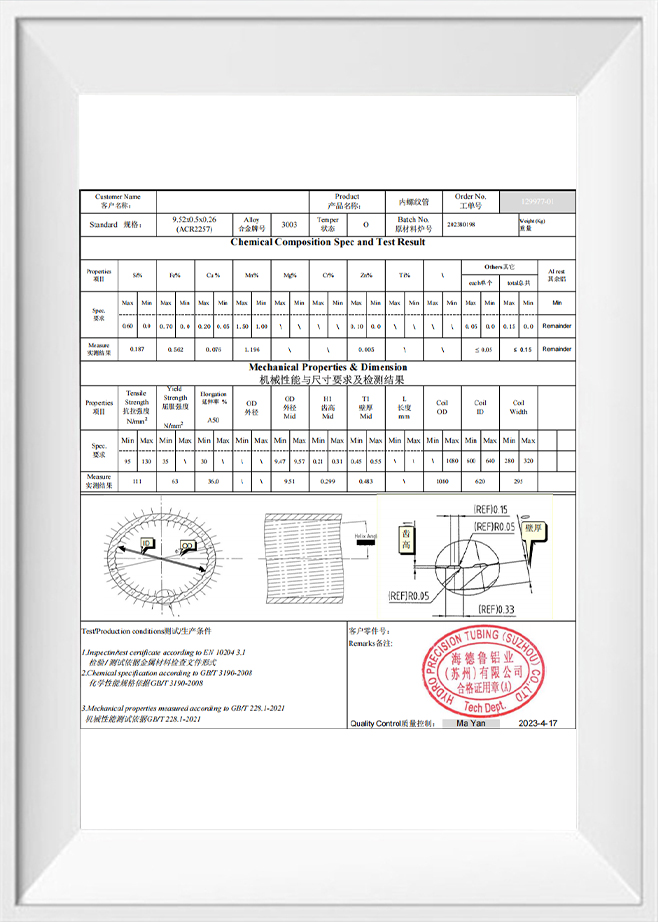
In practical applications, heat exchanger performance depends not only on thermal conductivity but also on structural strength, sealing reliability, and environmental adaptability. Hangzhou Yijie Refrigeration Technology Co., Ltd. verifies product durability through strict testing procedures, including 500-hour standard salt spray tests and 50,000 pressure cycle verification. These tests ensure that its heat exchanger products achieve excellent corrosion resistance and compressive strength beyond national standards.
| Performance Requirement | Impact on Cabinet Cooling |
| Efficient Heat Transfer | Maintains stable internal cabinet temperature and protects components |
| Corrosion Resistance | Supports operation in humid, industrial, and challenging environments |
| Pressure Strength | Improves safety and reliability during continuous operation |
Different equipment environments create different requirements for cabinet heat exchangers. For example, communication cabinets may require compact and continuous cooling solutions, while industrial machine rooms may focus more on durability and resistance to harsh operating conditions. Customized heat exchanger designs allow manufacturers to achieve better performance according to specific application needs.
With strong custom service capabilities, Hangzhou Yijie Refrigeration Technology Co., Ltd. provides heat exchanger solutions for a wide range of scenarios, including household AC, automotive AC, dehumidifiers, cold chain systems, eco-friendly equipment, machine rooms, and warehouses. This extensive application experience enables the company to optimize product structures according to different cooling environments.
A cabinet heat exchanger is not a one-size-fits-all component. The final design must consider multiple technical factors, including cabinet size, cooling capacity, airflow conditions, refrigerant requirements, and installation method. Professional manufacturers usually analyze these parameters before production to ensure the heat exchanger matches the complete cooling system.
Reliability is a key factor when selecting cabinet heat exchanger suppliers, especially for industrial equipment that must operate continuously. Testing procedures help evaluate whether heat exchangers can withstand environmental challenges and long-term mechanical stress.
Hangzhou Yijie Refrigeration Technology Co., Ltd. combines advanced aluminum tube technology with strict quality control processes. Its products have completed 500-hour standard salt spray tests and 50,000 pressure cycle verification, demonstrating excellent resistance against corrosion and pressure changes. These capabilities support stable performance in demanding applications and provide customers with dependable heat exchanger solutions.
| Testing Method | Verification Purpose |
| 500-Hour Salt Spray Test | Measures corrosion resistance in challenging environments |
| 50,000 Pressure Cycle Verification | Evaluates structural durability and pressure resistance |
| Production Quality Control | Ensures consistent performance during mass manufacturing |
 Cabinet Heat Exchanger Manufacturers