gracezhang@yijiecool.com |
  English
 Español
 عربى
عربى


Compact Copper Condenser: Benefits, Design & Applications
Content
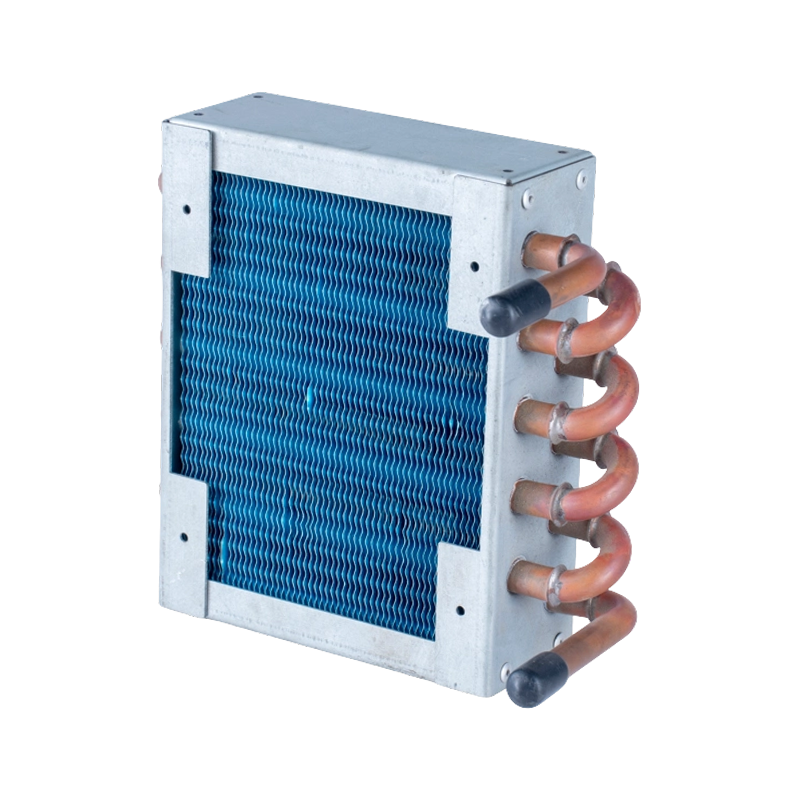
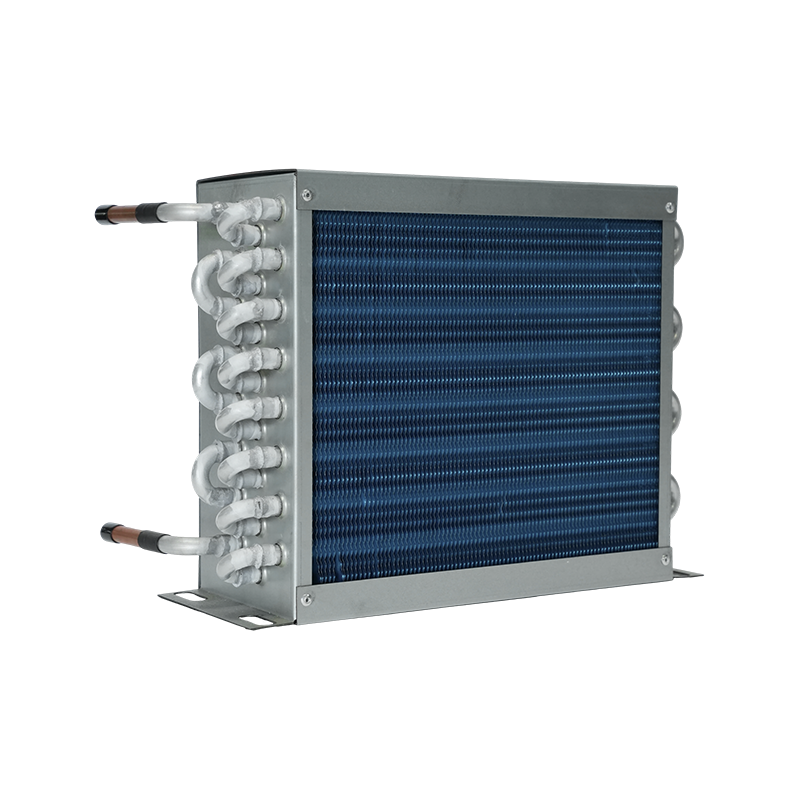
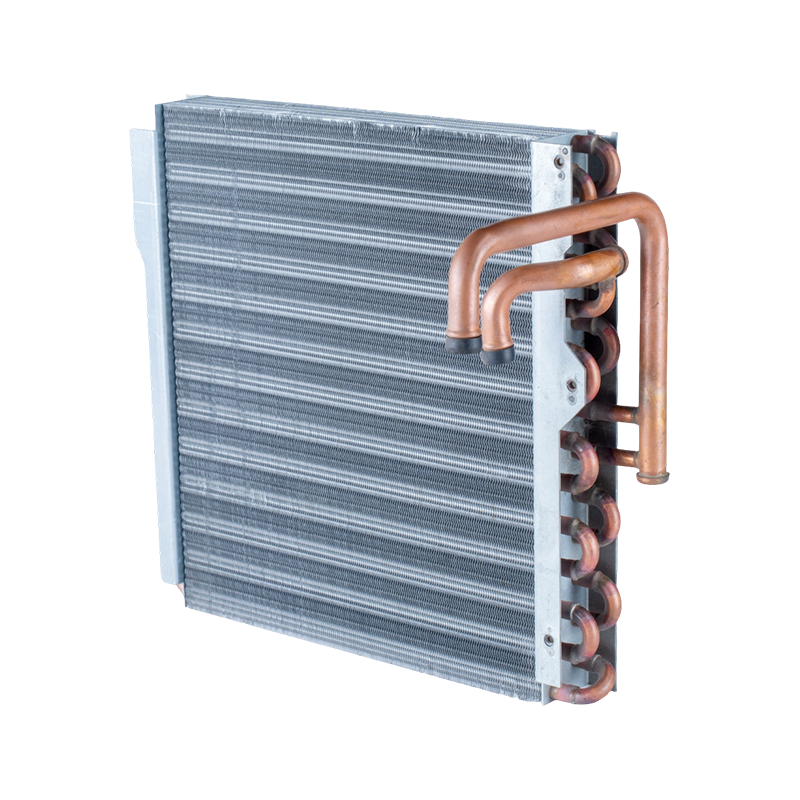
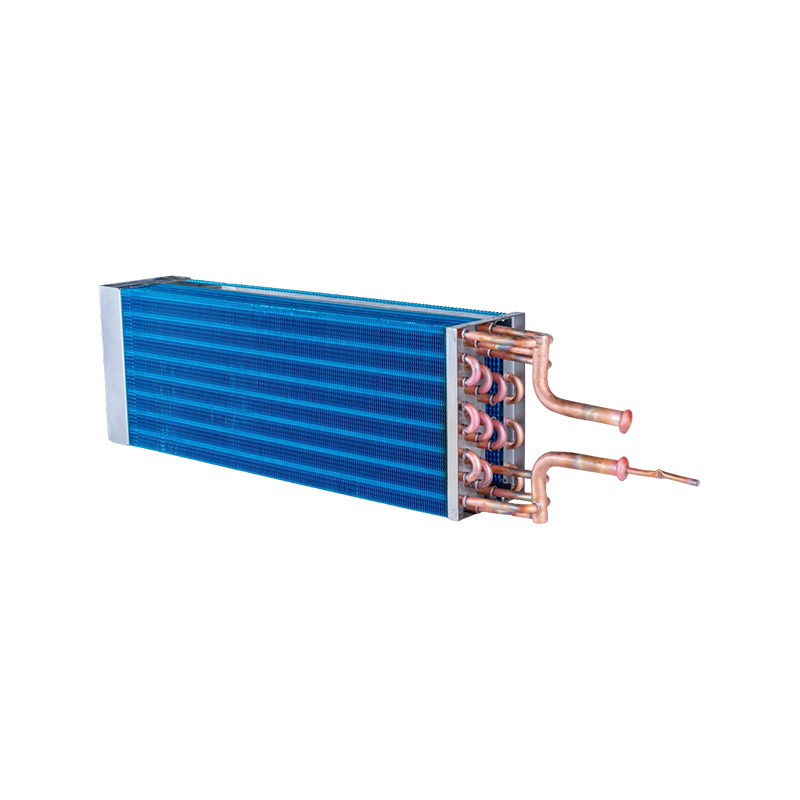
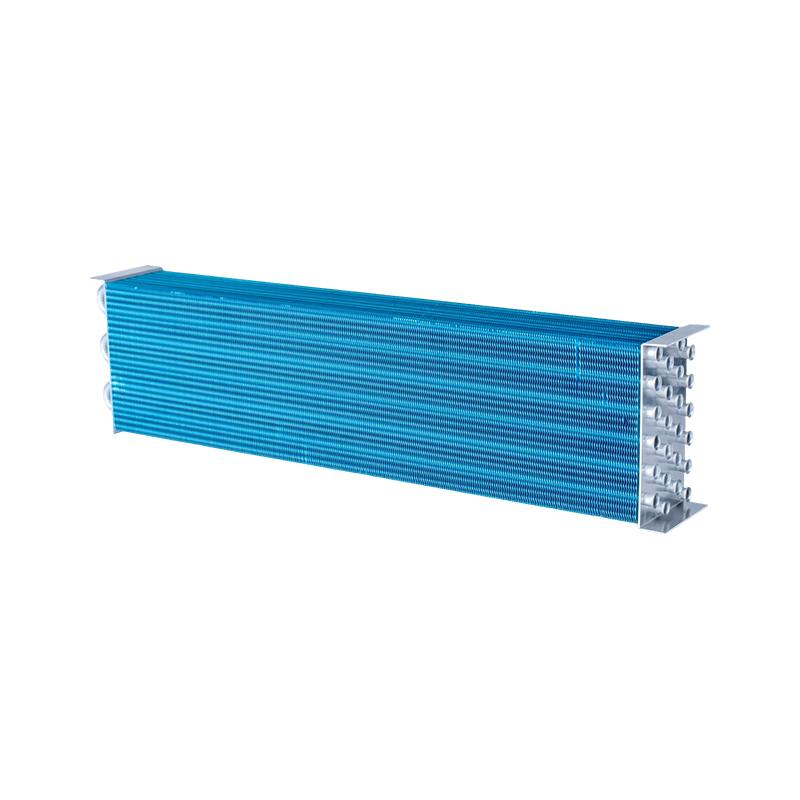
A compact copper condenser is a high-efficiency heat exchange component designed to reject thermal energy in a minimized footprint. By leveraging the superior thermal conductivity of copper and advanced micro-channel or finned-tube geometries, these units achieve 20-30% higher heat transfer rates compared to traditional aluminum counterparts of similar size. This makes them indispensable in modern HVAC systems, industrial refrigeration, and electronics cooling where space is at a premium.
The integration of copper allows for thinner tube walls and more intricate internal structures, facilitating rapid phase change from gas to liquid. This efficiency not only reduces the physical size of the equipment but also lowers the overall refrigerant charge required, contributing to both environmental compliance and operational cost savings.
Advantages of Copper in Condenser Design
Copper remains the material of choice for high-performance condensers due to its intrinsic physical properties. Its ability to dissipate heat quickly ensures that the system operates under lower head pressures, reducing the workload on the compressor.
Superior Thermal Conductivity
With a thermal conductivity of approximately 401 W/m·K, copper significantly outperforms aluminum (237 W/m·K) and stainless steel (16 W/m·K). This property allows compact copper condensers to maintain high efficiency even when ambient temperatures rise, preventing system tripping during peak load conditions.
Durability and Corrosion Resistance
Copper exhibits excellent resistance to corrosion, particularly in environments with high humidity or saline exposure. When properly coated or alloyed, copper condensers can last 15-20 years without significant degradation, whereas untreated aluminum may suffer from pitting and failure within a decade in harsh conditions.
Design Innovations in Compact Units
Modern engineering has pushed the boundaries of how much heat can be rejected in a small volume. Compact copper condensers utilize several design strategies to maximize surface area while minimizing air resistance.
| Feature | Benefit | Impact on Efficiency |
|---|---|---|
| Micro-channel Tubes | Increased Surface Area | High (+15-20%) |
| Louvered Fins | Turbulent Airflow | Moderate (+10%) |
| Inner Grooving | Enhanced Refrigerant Mixing | High (+12-18%) |
| Compact Footprint | Space Saving | Neutral (Design Focus) |
Inner grooving techniques create turbulence within the refrigerant flow, breaking up the boundary layer and improving heat transfer coefficients. This allows manufacturers to reduce the total volume of the condenser by up to 40% while maintaining the same cooling capacity as older, bulkier models.
Applications and Installation Considerations
Compact copper condensers are versatile and found in a wide range of industries. Their small size makes them ideal for retrofitting older systems where space constraints prevent the installation of larger standard units.
- Residential HVAC: Used in high-efficiency split systems and ductless mini-splits to maximize SEER ratings.
- Commercial Refrigeration: Essential for walk-in coolers and display cases where quiet operation and minimal visual impact are required.
- Data Center Cooling: Deployed in rear-door heat exchangers and liquid cooling loops to manage high-density server heat loads.
- Automotive AC: Integrated into electric vehicle thermal management systems to save weight and improve range.
During installation, it is crucial to ensure adequate airflow around the compact unit. Because these condensers have high fin density, they are more susceptible to clogging from dust and debris. Regular cleaning every 3-6 months is recommended to maintain optimal performance and prevent pressure spikes.