gracezhang@yijiecool.com
 English
 Español
 عربى
عربى


Air Conditioner Compressor vs Condenser: Key Differences and Functions Explained
Content
Walk past a standard residential AC installation and you will hear the outdoor cabinet described by different names. A homeowner may call it "the compressor," while an HVAC technician will point to the finned coil inside the same box and call it "the condenser." The language overlap is understandable because both components live in the same outdoor unit. However, they perform entirely different jobs. Confusing the two can lead to misdiagnosis, wasted replacement money, or a system that still fails after you spent a fortune on parts.
The conclusion first: the compressor is a pump that pressurizes refrigerant into a hot gas to keep the refrigeration cycle moving. The condenser is a heat exchanger that discharges the absorbed heat into the outside air. If the compressor dies, the whole system stops. If the condenser fails, the system loses capacity and often trips on high pressure. Understanding which component caused the trouble is far more valuable than simply guessing from the outdoor box.
The Refrigeration Cycle at a Glance
To see why the two parts matter, you need the cycle they operate in. Refrigerant enters the indoor evaporator coil as a low-pressure liquid and absorbs heat from the room, boiling into a gas. The compressor draws that low-pressure gas and compresses it to a high pressure, which raises its temperature well above the outdoor air temperature. That hot, high-pressure gas then moves into the condenser, where outdoor airflow across the coil carries the heat away. As the gas cools, it condenses into a liquid, and the metering device drops its pressure before sending it back to the evaporator.
What the Compressor Actually Does
The compressor is the only moving part in the refrigeration circuit that actively consumes significant electrical power. It has two jobs: raise the refrigerant pressure so the cycle can transfer heat from a cooler space to a warmer space, and keep the refrigerant moving at a steady mass flow rate. Without the compressor, the system loses its ability to move heat against the natural temperature gradient.
How a Compressor Works
The heart of the compressor is its motor-driven mechanism. It takes low-pressure gas from the suction line and squeezes it into the discharge line at roughly 150 to 250 psig, depending on the refrigerant and outdoor conditions. This pressure rise makes the refrigerant hot so it can release heat easily in the condenser. Compressor durability depends on correct refrigerant charge, stable electrical supply, and the presence of proper oil return.
Common Compressor Types
- Reciprocating compressors use pistons and create high pressure with a simple, robust design that tolerates pressure swings and various refrigerants.
- Scroll compressors use an orbiting spiral to take in, compress, and discharge gas in a smooth, low-vibration manner, making them common in split-system residential units.
- Rotary compressors use a cylinder and rolling vane, with compact size and quiet operation suited for small-capacity window units and mini splits.
- Screw compressors and centrifugal compressors appear in large commercial systems where high cooling loads require large refrigerant flow.
What the Condenser Actually Does
The condenser takes the hot, high-pressure refrigerant gas delivered by the compressor and turns it into a liquid. Its task is purely thermal rejection. Air or water passes through the coil, absorbs the heat, and the refrigerant changes phase. If a condenser cannot reject enough heat, the compressor runs hotter, the system pressure rises, and the electrical power draw climbs. Over time, inefficient condenser heat transfer shortens compressor life.
How a Condenser Works
Outside air is pulled across the condenser fins and tubes by a fan motor. The refrigerant inside the tube loses heat to the fin and then to the moving air. Because the refrigerant is much hotter than the ambient air, the heat travels outward naturally. The condenser coil performs best when fins are clean, airflow is unobstructed, and the refrigerant charge is sized to the manufacturer's specifications.
Common Condenser Types
- Air-cooled condensers are the most common in residential AC and light commercial units because they are simple, require no water supply, and can handle a wide range of outdoor temperatures.
- Water-cooled condensers use a cooling tower or city water to reject heat, offering higher efficiency in very large commercial facilities.
- Combined air-and-water-cooled condensers use both media, giving flexibility in extreme ambient conditions or where space is limited.
Material and Corrosion Considerations
One of the most underrated buying decisions is condenser material. Copper tube condensers offer strong heat transfer and familiarity, while aluminum tube condensers provide better corrosion resistance in coastal or high-humidity areas and can significantly cut material cost for OEM projects. In environments where salt spray, road grime, or humidity are constant, you should verify corrosion data and pressure-cycle data before approving a design. Our in-house tests include a 500-hour standard salt spray test and 50,000 pressure cycles. The data shows aluminum tube designs can meet the same corrosion and strength targets while reducing cost.
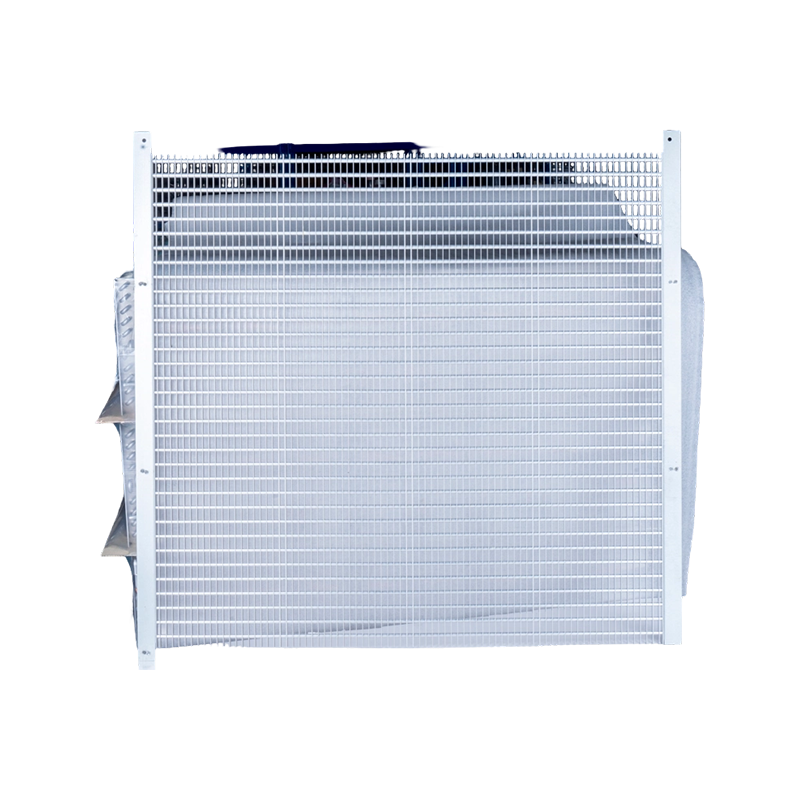
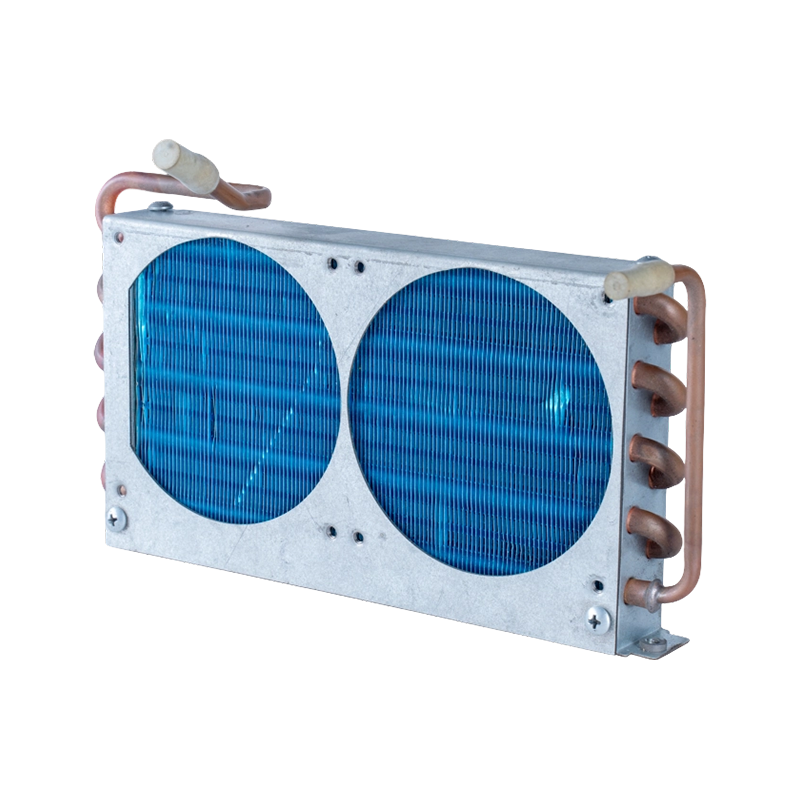
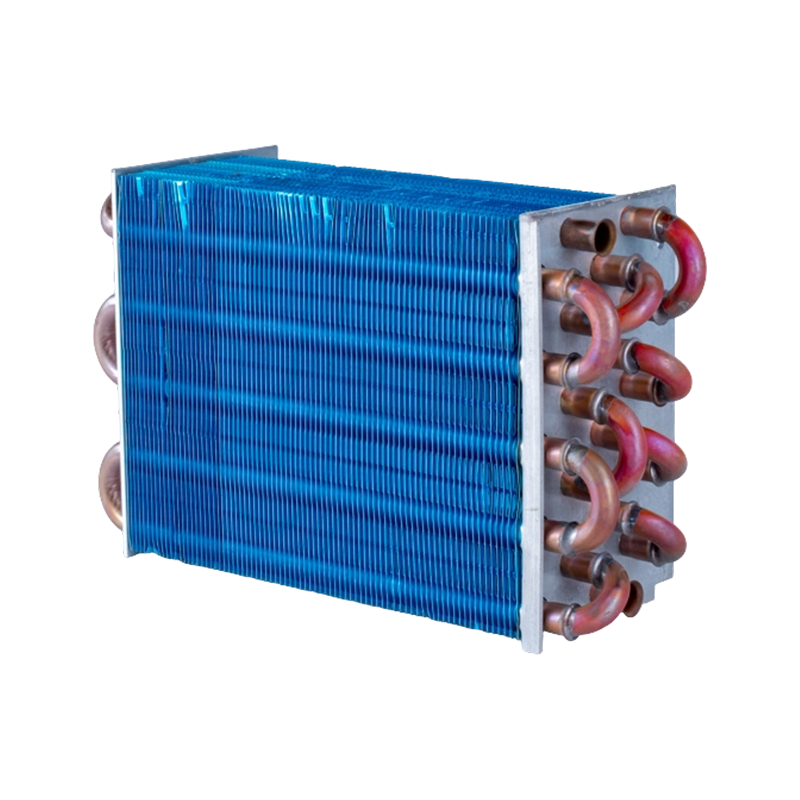 Aluminum-Tube Outdoor AC Condenser for Corrosive EnvironmentsDesigned for outdoor units, this aluminum-tube condenser resists salt spray and humidity while matching copper performance. Its compact core and hydrophilic fins ensure efficient heat exchange and reliable cooling.View Product →
For outdoor units exposed to harsh weather, an all-aluminum outdoor AC condenser is a typical starting point.
Compressor vs Condenser: Comparison Table
| Comparison point | Compressor | Condenser |
|---|---|---|
| Core function | Pressurizes and circulates refrigerant | Rejects heat from the refrigerant |
| Position | Inside the cabinet, often near the suction line | Finned coil with fan in the outdoor unit |
| Primary failure mode | Motor burnout, electrical fault, mechanical wear | Restricted airflow, fan failure, fin corrosion |
| Cost to replace | High | Moderate |
| Performance impact | Complete stop of cooling | Reduced capacity and high head pressure |
| Maintenance focus | Refrigerant charge, voltage stability, oil return | Fins cleaning, fan, airflow clearance |
Failure Symptoms and What They Tell You
Compressor failures tend to present as a system that will not run at all. The outdoor unit may hum but never start, the circuit breaker trips repeatedly, or the motor simply refuses to spin even when the thermostat calls for cooling. A failed compressor can also show high discharge pressure with no measurable refrigerant flow. If you measure a shorted winding with a multimeter, the compressor is already gone, and the entire charge may need replacement.
Condenser problems are more subtle. Airflow issues from a dirty fan blade, bent fins, or an obstructed outdoor unit will reduce heat rejection. The refrigerant in the condenser stays too hot, causing a high pressure drop across the system. The compressor will keep running, but the building gets warm slowly or costs noticeably more energy. Water leakage near the unit, a loud fan bearing, or a burned-out fan motor often appear before the condenser coil itself fails.
A quick field check is to run the system and measure the condenser approach temperature, the difference between the refrigerant condensing temperature and the outdoor air dry-bulb temperature. When this approach is much larger than the manufacturer's expected range, the condenser cannot reject enough heat. Meanwhile, a compressor with low suction pressure and low current draw is usually undercharged or failing to generate internal pressure. These two fingerprints let a technician tell the components apart without dismantling the unit.
Replacement and Purchasing Considerations
Replacement costs tell the same story from a different angle. A new compressor is typically the most expensive single component in a split-system outdoor unit. Condenser coils and fan motors are cheaper, but the labor to replace the discharge line and rebraze can still add up. For an OEM buyer, the real decision is not just first cost. It is how long the component resists corrosion and maintains pressure integrity. Demand to see the test data and the warranty policy before you lock in a design.
Here is a point worth reviewing before you finalize a replacement or a new product design. The layout, material choice, and maintenance schedule all feed back into the overall system life. That is why we maintain a practical HVAC heat exchanger guide for engineers and service technicians. It covers common design traps and maintenance checkpoints that reduce callbacks.
Application-Specific Condenser Choices
Automotive air conditioning adds another layer. The condenser sits at the front of the vehicle and sees rock spray, insect impact, road salt, and frequent vibration. An aluminum tube automotive condenser is a direct match for this duty cycle because it resists corrosion and remains lighter than a copper alternative.
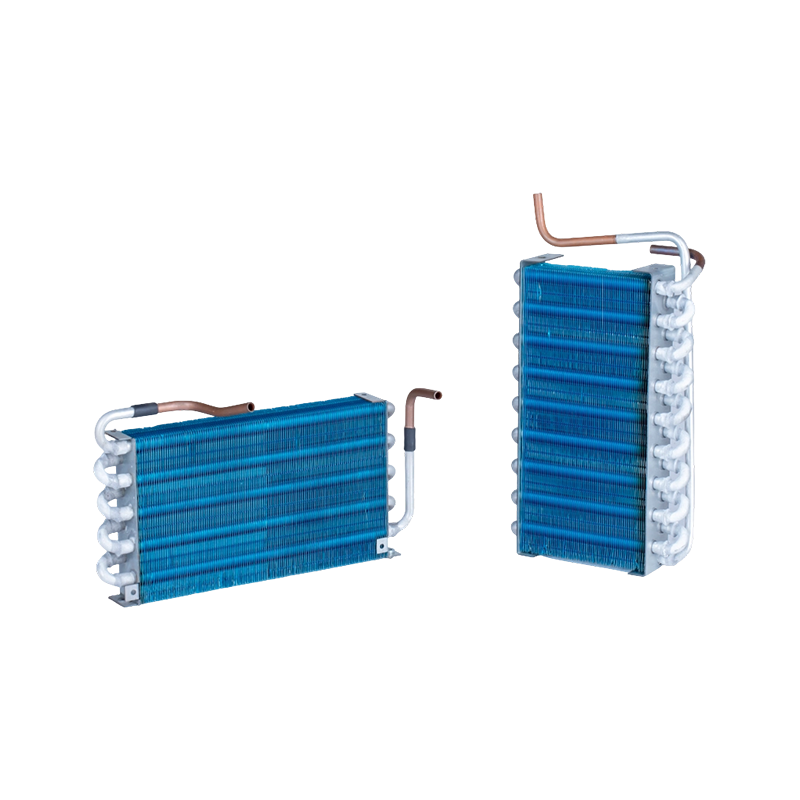
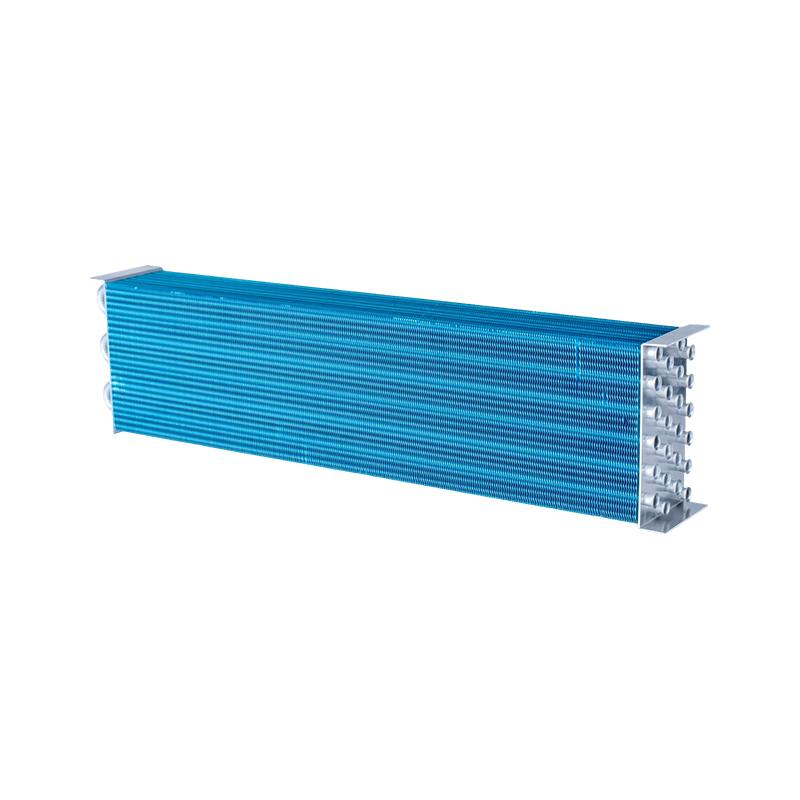 Lightweight Aluminum Automotive Condenser with Cost SavingsBuilt for vehicle front-end duty, this aluminum condenser resists road debris and corrosion. Its corrugated fins and 30% cost reduction make it ideal for new energy vehicles.View Product →
In commercial refrigeration and freezer systems, the condenser may run in a humid, cold environment where moisture and frost accumulate on the coil. The coil geometry and fin spacing matter as much as the material. For freezer rooms, choosing a condenser with corrosion-resistant design and generous fin clearance helps prevent early failures and keeps the compressor from running too hot.
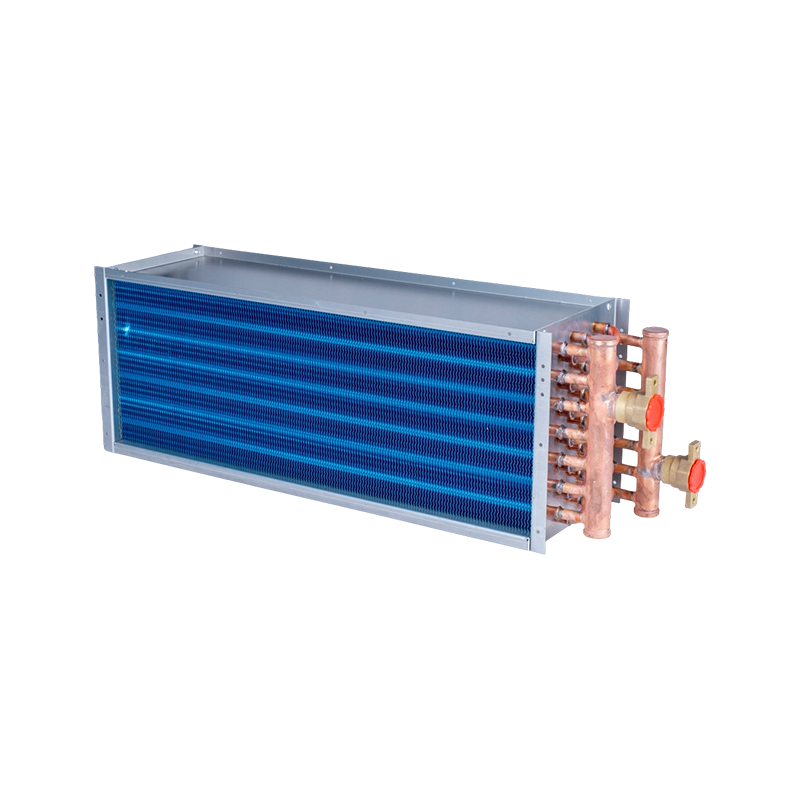
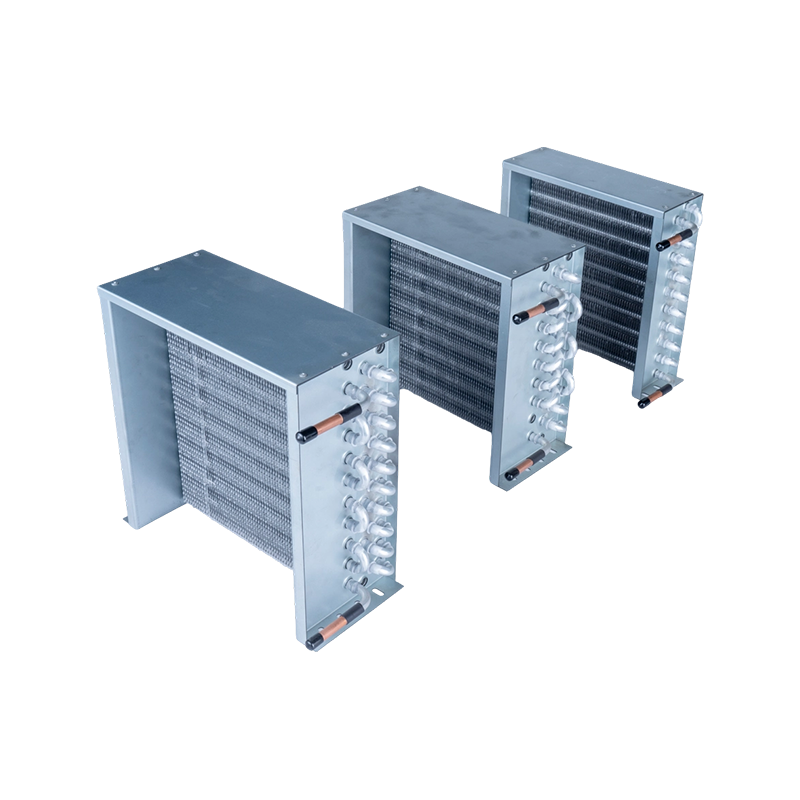 Freezer Condenser with Wide Fin Spacing for Frost ResistanceFeaturing 3.8 mm fin spacing and copper-aluminum welding, this aluminum condenser handles humid, cold freezer environments, ensuring reliable defrost and compressor protection.View Product →
The downstream application should drive the material choice. If you manufacture outdoor AC units, residential dehumidifiers, cabinet coolers, or automotive components, your compressor selection is fixed by the system architecture. But the condenser is where you have real freedom. Aluminum tube construction has become the default for many OEM clients because it lowers material cost and offers better resistance to salt spray. Our own factory operates as an aluminum tube type dual-phase product manufacturer, and we routinely build custom prototypes based on drawings or samples.
Practical Takeaways
The compressor and the condenser are not interchangeable. They work in sequence to move heat, but they fail differently and cost differently. Always start troubleshooting with pressure and temperature readings, not with your ears. If the outdoor unit runs but the coil is dirty or the fan does not work, suspect the condenser. If the system is dead, the breaker trips, or the compressor hums and will not start, the compressor is likely at fault.
For system replacement, focus on refrigerant compatibility, coil materials, and the warranty. Ask the supplier for salt spray and pressure-cycle test data. In an engineering environment, specify the condenser material before you build the system, not after the field failures show up. That small decision makes the difference between a system that survives a coastal installation and one that leaks in the first season.