gracezhang@yijiecool.com
 English
 Español
 عربى
عربى


What Is a Condenser? Function, Types, and Selection Tips for HVAC Systems
Content
When a refrigeration system stops cooling, the condenser is often the first component technicians inspect. But for engineers and procurement teams, the condenser is a design decision that affects cost, weight, and reliability long before the system enters service. In basic terms, the condenser is a heat exchanger that removes heat from refrigerant gas and converts it into liquid. The choice of condenser type, material, and surface area determines how well the whole cycle performs.
For companies that build HVAC equipment, automotive HVAC parts, ice machines, or freezer cabinets, a condenser must be matched to the compressor and the evaporator. Custom copper or aluminum tube designs allow manufacturers to fit the exact heat rejection target without overpaying for unnecessary capacity. This article explains the function, types, and selection criteria for condensers, with a focus on practical OEM decisions.
What a Condenser Does in the Refrigeration Cycle
Conclusion: a condenser rejects heat from the refrigerant, changing the refrigerant from a gas to a liquid. This phase change is what makes the vapor-compression cycle possible. Without an effective condenser, the compressor would discharge extremely high-pressure gas, causing high current draw, poor cooling, and eventual compressor damage.
Let’s trace the flow. The compressor discharges hot refrigerant vapor at high pressure. The vapor travels through the discharge line into the condenser inlet. The coil, fins, and fan move heat from the refrigerant to the surrounding air or water. As the refrigerant loses heat, it starts to condense. Just before the exit, the refrigerant is a subcooled liquid. The liquid passes through the expansion device, which reduces pressure and temperature, then enters the evaporator to absorb heat from the room or process.
The capacity of a condenser is expressed in watts or BTUs per hour. It must equal the evaporator capacity plus the heat generated by the compressor. If the condenser is undersized, the condensing temperature and pressure rise. If oversized, the system may have poor liquid subcooling or excessive pressure drop. Both cases lead to efficiency loss.
Types of Condensers and Their Applications
Conclusion: the three main condenser categories are air-cooled, water-cooled, and evaporative condensers. Air-cooled designs dominate OEM applications because they are compact and require no water connections. Water-cooled systems are used where space is limited and water is available. Evaporative condensers combine both principles for industrial refrigerating plants.
Air-cooled condenser uses a fan to move air over a finned coil. The condensing temperature is roughly 10-20°C above dry-bulb ambient temperature. For automotive applications, the condenser is exposed to high airflow from vehicle motion, and aluminum tube construction helps reduce weight and improve corrosion resistance. For residential air conditioners, the outdoor unit contains the air-cooled condenser.
Water-cooled condenser uses a water circuit to carry heat away. The condensing temperature can be lower, which improves efficiency and reduces compressor power, but it requires a cooling tower or water source. This type is common in commercial buildings and industrial refrigeration.
Evaporative condenser sprays water over a tube bundle that is also cooled by forced air. The evaporation of water absorbs a large amount of latent heat, which makes the condenser extremely efficient in hot climates. However, it needs water treatment and regular maintenance.
The following table summarizes key differences.
| Type | Heat rejection medium | Typical application | Key trade-off |
|---|---|---|---|
| Air-cooled | Ambient air | Residential AC, automotive, portable units | Simple installation, lower water use, but higher condensing temperature at high ambient |
| Water-cooled | Water | Large commercial systems | Lower condensing temperature, better efficiency, but needs cooling tower and water treatment |
| Evaporative | Air plus water evaporation | Industrial refrigeration | Combines benefits, but more complex maintenance |
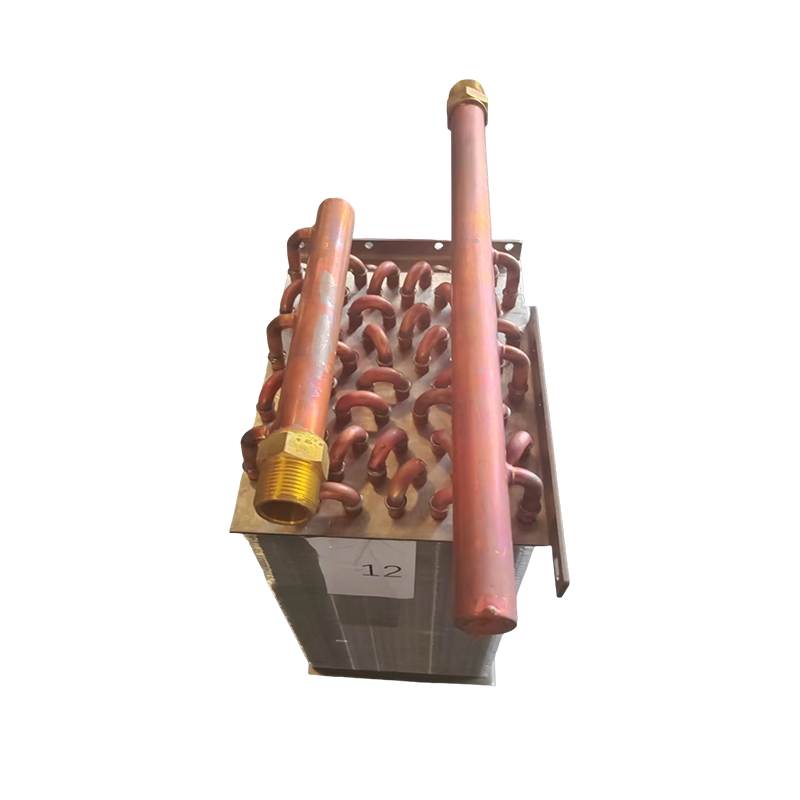
For compact applications, a single-panel condenser may have copper tubes with aluminum fins. The copper tube offers excellent corrosion resistance in certain coolants, while aluminum fins provide a large surface area. Read about compact copper condenser benefits and design to understand how this construction fits in smaller units.
Material Choices Do Affect Condenser Performance
Conclusion: material selection for condenser tubes and fins is one of the most consequential decisions an OEM can make. Copper has historically delivered high thermal conductivity and easy brazing, but aluminum is increasingly chosen for its lower material cost, lighter weight, and excellent corrosion performance under salt exposure.
Copper tube and aluminum fin constructions are standard in many commercial units. The combination balances cost and heat transfer. However, copper prices are volatile, and copper tube condensers are heavier. Aluminum tube condensers, when fully brazed with aluminum fins, offer a monolithic all-aluminum coil. The thermal conductivity of aluminum is lower than copper, but the extended surface area and optimal fin design can compensate. In addition, aluminum does not suffer from galvanic corrosion when paired with aluminum fins.
Yijie’s factory uses high-performance aluminum tube technology. The company states that material costs drop by more than 30% compared with copper designs. Their aluminum tube condensers survive 500 hours of salt spray testing and 50,000 pressure cycles, which is far beyond the national standard. For automotive condensers, this is critical because the coil sits near the front grille and is exposed to road salt, insects, and temperature swings.
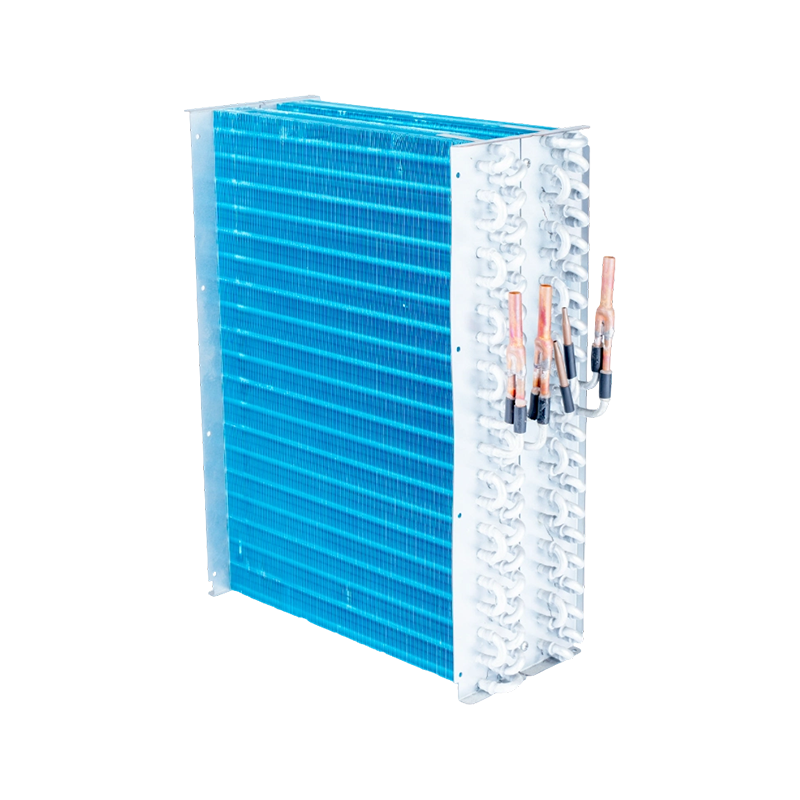
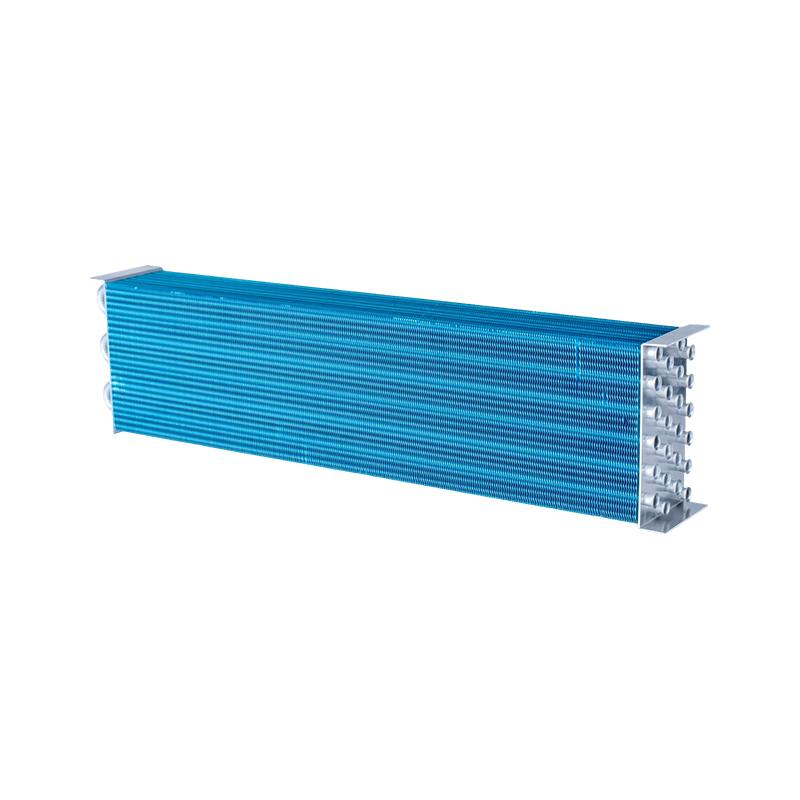 Aluminum-Tube Automotive Condenser with Corrugated FinsThis all-aluminum condenser offers a 30% material cost saving over copper and withstands 500 hours of salt spray and 50,000 pressure cycles, making it reliable for vehicles exposed to road salt and temperature swings.View Product →
If the application is a residential appliance such as a dehumidifier, the same logic applies. The condenser must be lightweight, cost-effective, and able to resist intermittent moisture. For freezer cabinets, an all-aluminum condenser helps avoid corrosion in high-humidity environments.
How to Select a Condenser for Your OEM Project
Conclusion: start by matching the condenser heat rejection to the compressor and application conditions, then specify the coil dimensions, tube material, fin density, and fan airflow based on your operating envelope.
The first calculation: total heat rejection = evaporator capacity + compressor heat. For an air-cooled condenser, the design condensing temperature is typically 45-55°C for R-410A and 40-50°C for R-134a, depending on ambient. Use the refrigerant line pressure charts from the compressor manufacturer to find the condensing pressure. Then calculate the log mean temperature difference (LMTD) for the air-to-refrigerant heat exchange.
Then define the physical constraints.
- Available face area (height and width) inside the unit.
- Fan voltage, airflow, and noise limit.
- Maximum refrigerant pressure drop.
- Ambient temperature range for shipping and storage.
- Corrosion protection requirements: bare aluminum, epoxy coated, or pre-coated fin stock.
OEM suppliers can design custom condensers with different tube circuits, fin pitches, and header sizes. Send the compressor model, refrigerant type, expected evaporator load, and unit dimensions to the supplier. They will recommend a condenser layout and supply performance data.
For small household appliances like ice makers and water dispensers, the condenser is often a compact tube-and-fin coil. The ice-maker condenser must fit inside a small cabinet with limited airflow. A precision design can make the difference between a machine that produces clear ice consistently and one that struggles during summer months.
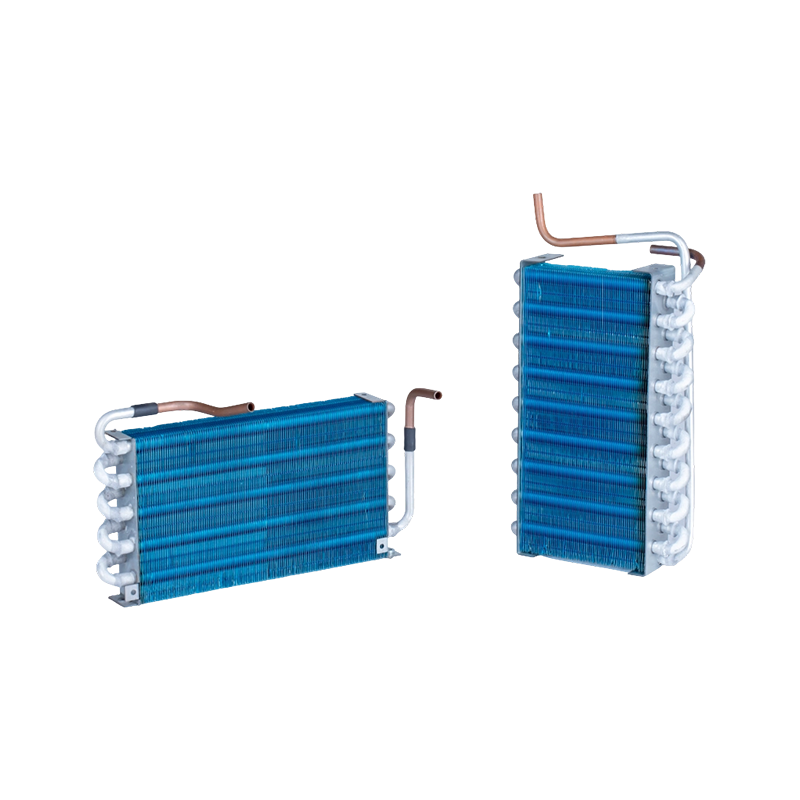
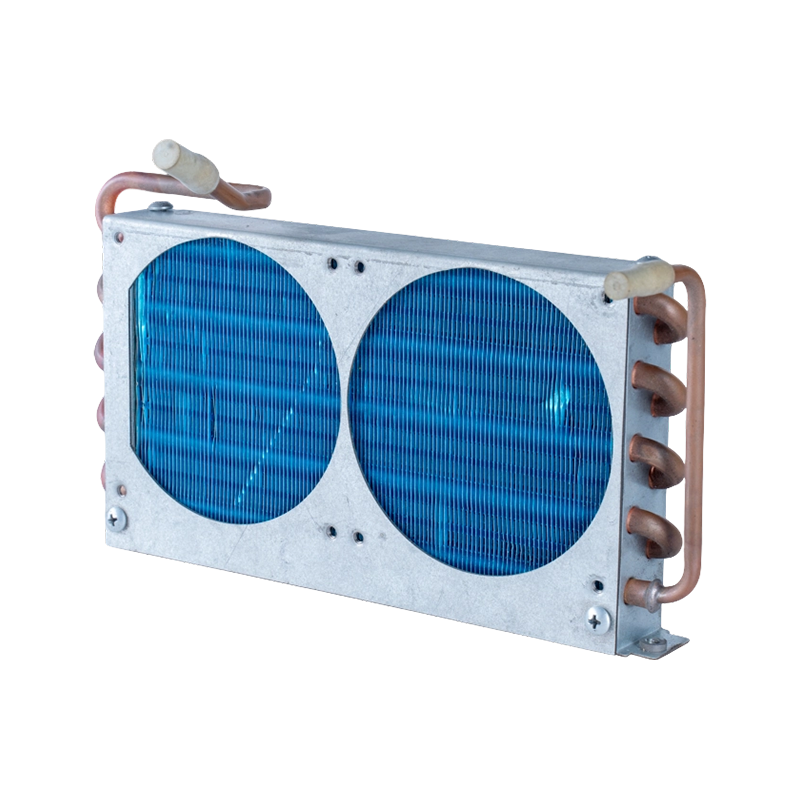 Precision Ice Maker Condenser with Copper-Aluminum WeldingDesigned for compact ice makers and water dispensers, this condenser uses hydrophilic aluminum fins with 1.4 mm spacing to ensure efficient heat transfer and condensate drainage in limited airflow spaces.View Product →
Always ask for prototypes before mass production. Test the unit in a controlled environmental chamber to confirm the condensing pressure stays within acceptable limits at 35°C ambient. A reliable supplier will provide a detailed test report and recommend tube adjustments if needed.
Common Condenser Problems and Maintenance Practices
Conclusion: the most frequent issue in the field is airflow blockage, followed by fan motor failure and refrigerant leaks. A regular cleaning and inspection program can prevent most catastrophic failures.
When the condenser is dirty, the air cannot carry heat away. The refrigerant stays hotter longer, so the compressor must work harder. High head pressure increases current, raises discharge temperature, and can cause the compressor to trip on overload. This affects energy consumption and shortens equipment life.
- Clean the condenser fins with a soft brush and low-pressure water or air.
- Check fan blades for damage and secure mounting bolts.
- Inspect fins for bending and use a fin comb to straighten them.
- Inspect brazed joints for oil stains, which indicate refrigerant leaks.
- Test condenser fan capacitor and motor windings.
- Verify that the condenser fan runs when the compressor starts.
In freezer storage applications, the condenser often operates at low ambient temperatures and may collect frost. Condensers designed for refrigeration have appropriate fin spacing to allow defrosting. If the condenser is located in a machine room, ensure enough air circulation and sufficient clearance from walls.
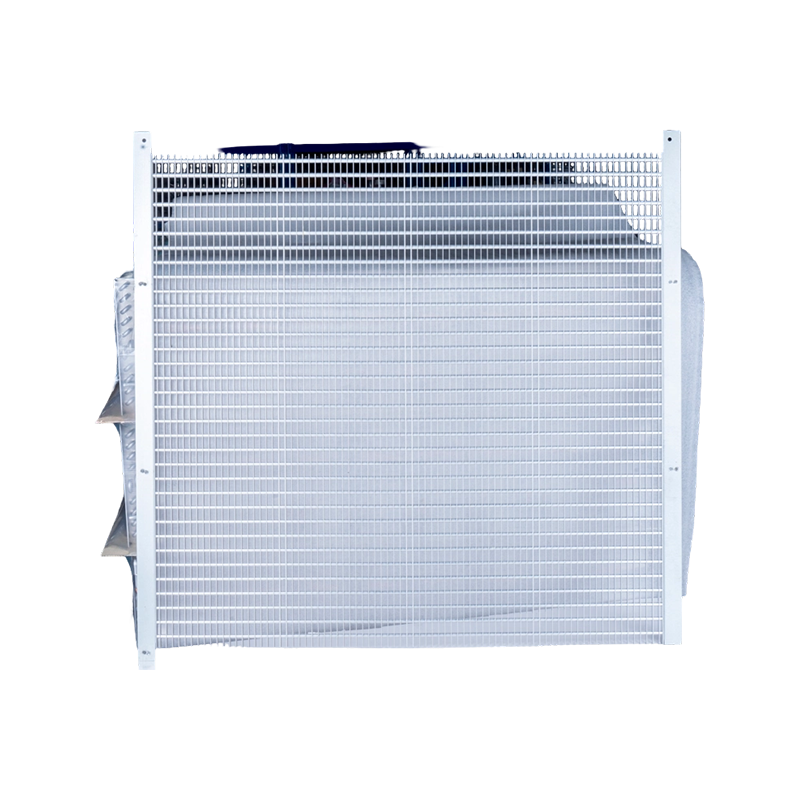
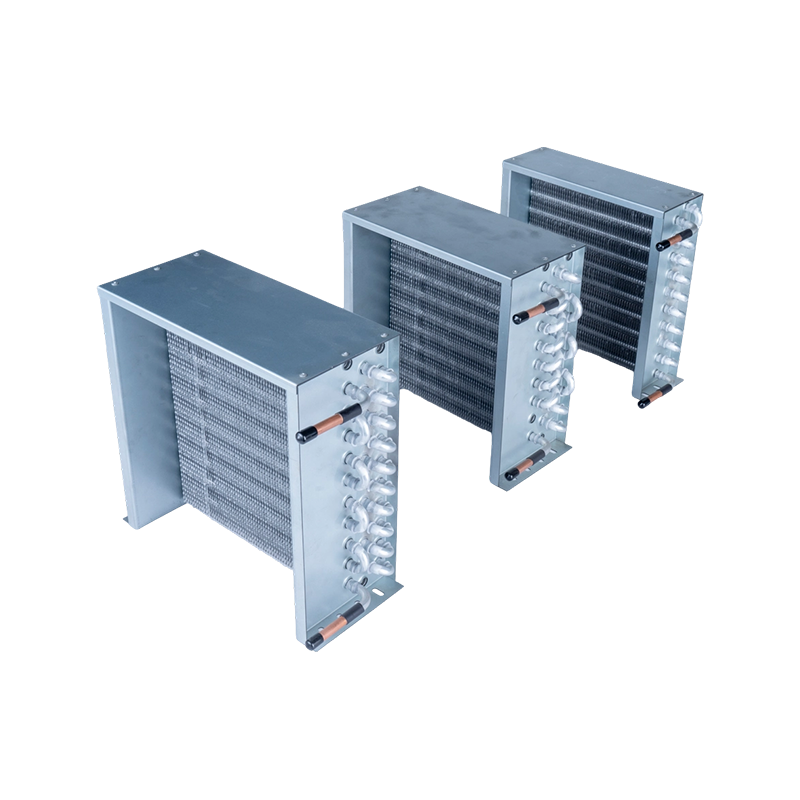 Freezer Condenser with Corrugated Foil and Wide Fin SpacingThis all-aluminum condenser features 3.8 mm fin spacing to facilitate defrosting in freezer environments, with copper-aluminum welded piping for leak-resistant operation in continuous refrigeration.View Product →
If capacity drops or noise increases, check for a restricted air path, damaged fan, or refrigerant leak before replacing the whole unit. These simple checks often find the root cause and save expensive downtime.