gracezhang@yijiecool.com |
  English
 Español
 عربى
عربى


Refrigeration Cycle Explained: Components, Function, and Selection Guide
Content
The refrigeration cycle, also called the heat pump cycle, is a closed loop that moves heat from a place where it is not wanted to a place where it can be released. Every refrigerator, freezer, air conditioner, and heat pump that uses vapor compression depends on the same four steps: compression, condensation, expansion, and evaporation. If one step fails, the whole loop suffers. That is why a technician checking a warm cold room rarely starts by replacing the compressor; he or she starts by looking at pressures and temperatures at each of the cycle's four stages.
The Four Main Refrigeration Cycle Components
A basic vapor-compression system has exactly four primary components. Their roles stay the same across equipment sizes, from a drinking fountain to a warehouse chiller.
| Component | Refrigerant State Entering | Primary Function |
|---|---|---|
| Compressor | Low-pressure vapor | Raise pressure and temperature |
| Condenser | High-pressure vapor | Reject heat and condense to liquid |
| Expansion device | High-pressure liquid | Drop pressure and control refrigerant flow |
| Evaporator | Low-pressure liquid and vapor | Absorb heat and vaporize refrigerant |
The Compressor
The compressor receives low-pressure vapor from the evaporator and raises its pressure. This pressure increase pushes refrigerant around the loop and gives the condenser a high-temperature vapor to cool. Compressors are usually rated by displacement and by operating envelope. More important than any single number is whether the compressor is being asked to work outside its intended suction and discharge pressures. A compressor that runs with high compression ratios consumes more electricity and shortens its own life.
The Condenser
High-pressure vapor enters the condenser and releases heat to air or water. As heat leaves the refrigerant, the vapor condenses to a high-pressure liquid. A condenser must be sized for the total heat rejection of the system, which includes the heat picked up in the evaporator plus the electrical energy added by the compressor. If the condenser is too small, condensing pressure rises, refrigerant saturation temperature rises, and the compressor has to work harder. In severe cases, the high-pressure safety control shuts the system down.
The Expansion Device
The expansion device sits between the condenser and the evaporator. It drops refrigerant pressure from the high side to the low side and meters the flow into the evaporator. Common types include the capillary tube, thermostatic expansion valve, and electronic expansion valve. The right device matches the refrigerant charge, load range, and control method. A blocked or overfeeding expansion valve changes superheat at the evaporator outlet and can send liquid refrigerant toward the compressor.
The Evaporator
Low-pressure refrigerant enters the evaporator as a mixture of liquid and flash gas. As it absorbs heat from the air, water, or product being cooled, it boils into vapor and leaves the coil as superheated vapor. The evaporator is the side of the system where actual cooling takes place. Its capacity is governed by temperature difference, airflow, fin spacing, and refrigerant distribution inside the circuit. An evaporator with poor distribution will have uneven temperatures and may allow frost to form in specific areas.
What the Refrigerant Does in the Cycle
The refrigerant is not consumed in the cycle. It carries heat from the evaporator to the condenser by changing state at temperatures set by system pressure. If the high-side pressure rises, the saturation temperature rises; if suction pressure falls, the evaporator temperature falls. This pressure-temperature relationship is the basis for diagnosing any refrigeration cycle. A technician can read pressure gauges, convert them to saturation temperatures, and compare them with actual coil temperatures to see how well the heat exchangers are working.
The efficiency of the cycle is usually expressed as the coefficient of performance (COP), the useful cooling effect divided by the compressor work. The smaller the temperature difference between evaporator and condenser, the higher the COP. This is why designers select coils with enough surface area to keep temperature differences small without making the system expensive. Correctly matched components do more for energy efficiency than a higher-priced compressor.
Why Condenser and Evaporator Design Matters
The condenser and evaporator are the two heat exchangers in the refrigeration cycle. They are also the parts most often customized for a specific product. Because they sit in a moving air stream, their fin density, tube row, tube diameter, circuiting, and material all affect performance and reliability. A coil that works well in a clean machine room might fail in a kitchen, where grease collects on fins, or in a coastal location, where salt attacks aluminum.
Condensers for Compact and Low-Temperature Systems
In compact appliances, condenser space is short. Airflow may be blocked by a filter or cabinet wall, so the coil must be designed with larger face area or wider fin spacing. For example, a water dispenser condenser must reject enough heat inside a very small machine while remaining easy to clean. A slightly undersized condenser raises head pressure and dramatically lowers capacity.
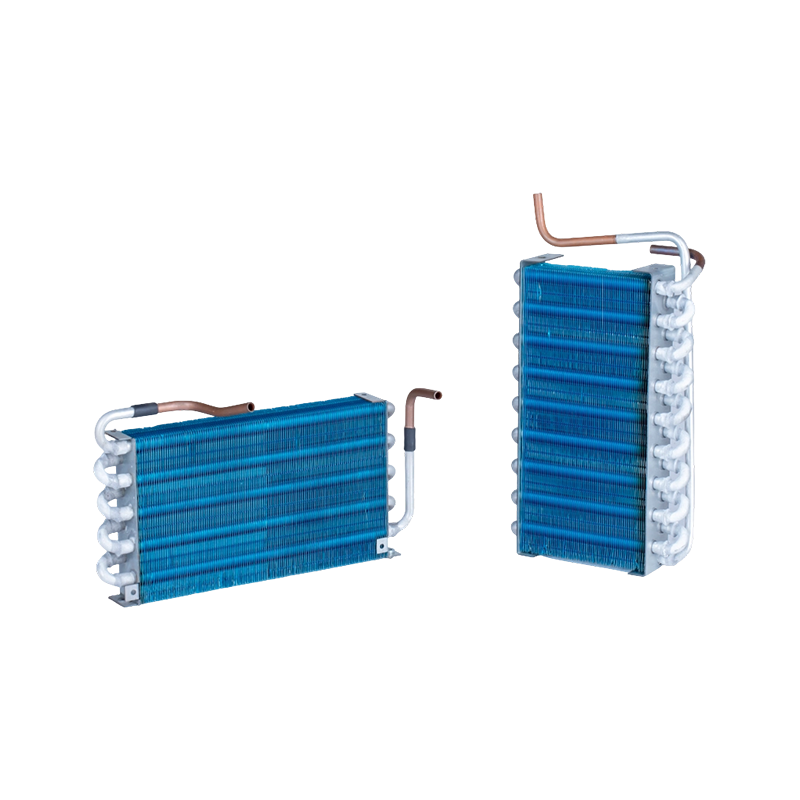 Water Dispenser Condenser Manufacturers, Custom Factory - Hangzhou Yijie RefrigeAs Custom Water Dispenser Condenser Manufacturers and Water Dispenser Condenser Factory in China, Yijie supply Water Dispenser Condenser ...View Product →
Evaporators for Household Use
Evaporator selection is about balancing airflow and coil temperature. In a household appliance, the evaporator needs enough face area to keep the coil above freezing when possible, or to manage frost on a defrost cycle when it is not. A good example is the household evaporator used in dehumidifiers and compact refrigeration: the fin spacing must allow moisture to drain while the refrigerant distribution keeps the coil surface even.
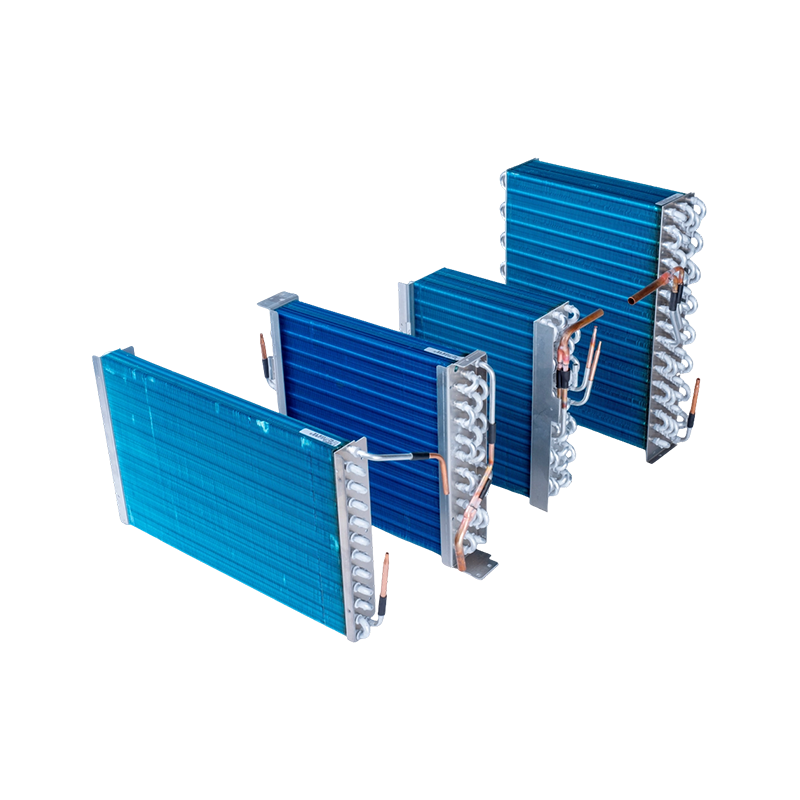 Home AC Evaporator Coil Manufacturers, Custom Factory - Hangzhou Yijie RefrigeraAs Custom Home AC Evaporator Coil Manufacturers and Home AC Evaporator Coil Factory in China, Yijie supply Household Evaporator for sale,...View Product →
Freezer Condensers and Long Service Life
Freezers work with a large temperature lift, which means the condenser pressure is already high. Anything that blocks heat rejection pushes the pressure higher and can cause compressor overheating. A freezer condenser with accessible fins and a corrosion-resistant coating makes regular cleaning easier and reduces the risk of premature failure. This matters for vending machines, reach-in freezers, and storage cabinets that run continuously.
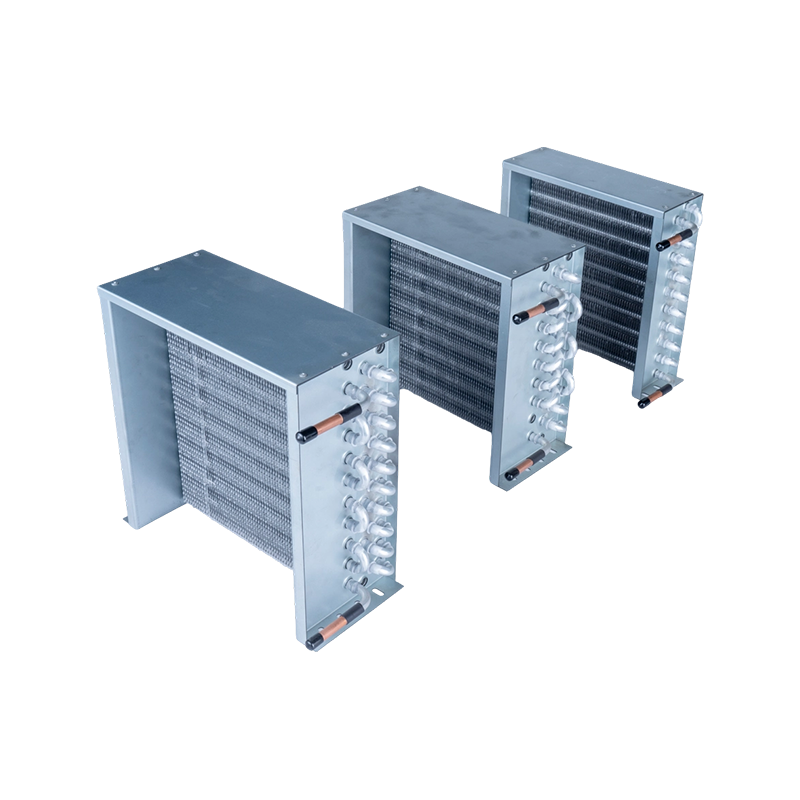 Aluminum Tube Freezer Condenser Manufacturers, Custom Factory - Hangzhou Yijie RAs Custom Aluminum Tube Freezer Condenser Manufacturers and Aluminum Tube Freezer Condenser Factory in China, Yijie supply Freezer Conden...View Product →
Selection Criteria for Replacement Coils
Once you understand the cycle, you can compare replacement coils with clearer questions. What is the design condensing pressure? What evaporator temperature is required? What is the expected airflow and ambient temperature? What refrigerant will be used? How much space and how many mounting points are available? There is no universal coil that works for every application. Material choice also matters. Aluminum coils have become common in OEM equipment because they resist corrosion, weigh less, and generally cost less than copper. Aluminum-tube products are now the standard for many automotive and household applications. For a broader look at how heat exchanger construction affects efficiency and maintenance, see our HVAC heat exchanger guide.
Common Faults and What They Tell You
The refrigeration cycle can fail at any point, but the symptoms point back to one of the four components. Use them as a checklist.
- High discharge pressure: condenser airflow is blocked, the condenser is undersized, or the system has excess refrigerant.
- Low suction pressure: the evaporator is starved, the expansion device is too small, or the filter drier is partially blocked.
- Short compressor cycling: safety controls are reacting to high pressure or thermal overload, often caused by a dirty condenser or a failing fan motor.
- Oil return problems: liquid refrigerant in the compressor suction line can wash oil from moving parts and lead to metal-to-metal contact.
Regular maintenance should include cleaning both coils, checking fans, and verifying superheat. The condenser and evaporator are easy to underestimate because they look like simple coils, but their condition determines the pressure that every other part has to live with.
Use the Cycle When You Source Components
Anyone who buys heat exchangers for OEM products should be able to sketch the refrigeration cycle and label the four components. That simple skill helps you ask the right questions. Will this evaporator deliver the needed capacity at the target temperature difference? Is the condenser rated for the worst-case ambient temperature? Can the manufacturer support custom circuiting or material changes? These are normal questions for a custom heat exchanger manufacturer to answer. If you take the time to match components to the cycle, the result is a system that cools reliably, uses less energy, and survives longer.