Industry knowledge
How Airflow Distribution Affects the Efficiency of an HVAC Heat Exchanger
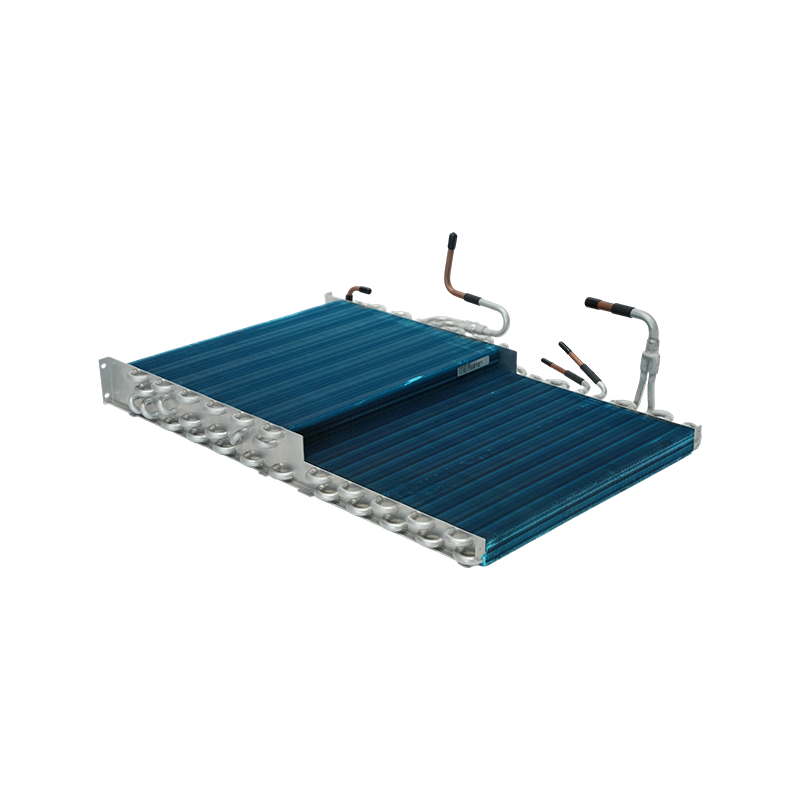
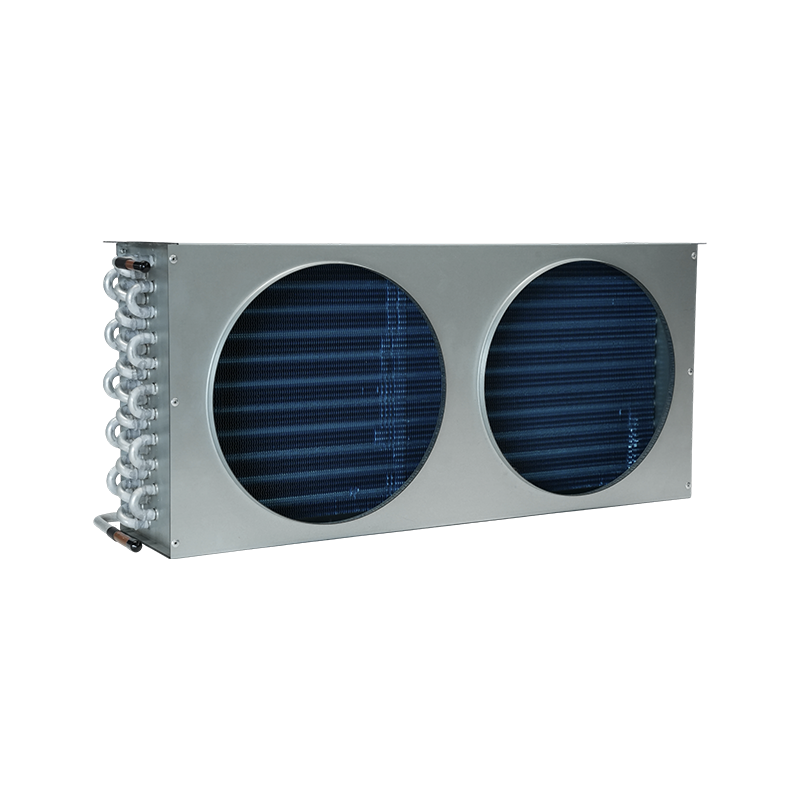
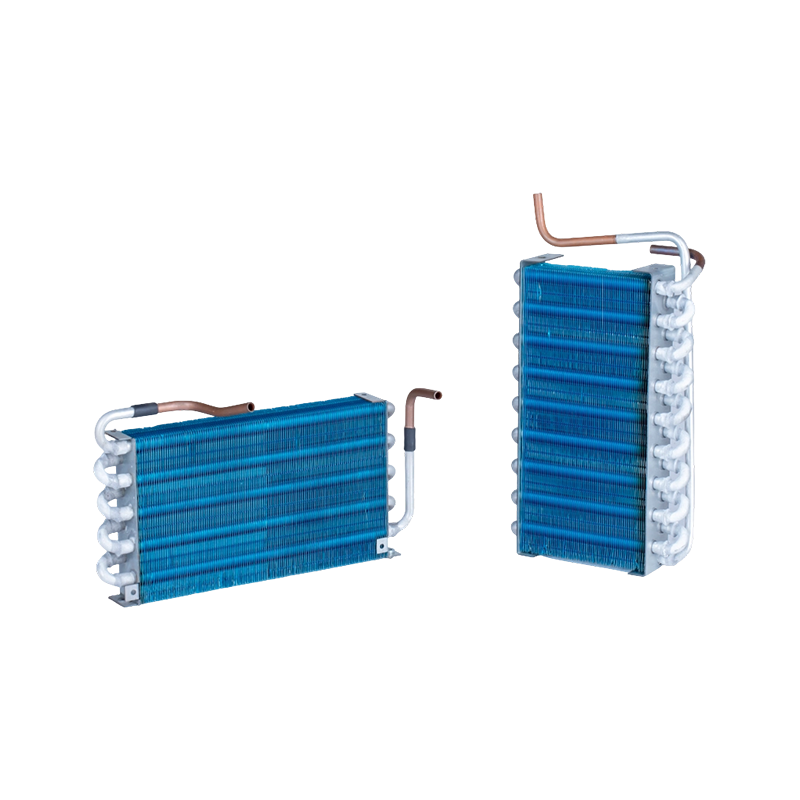
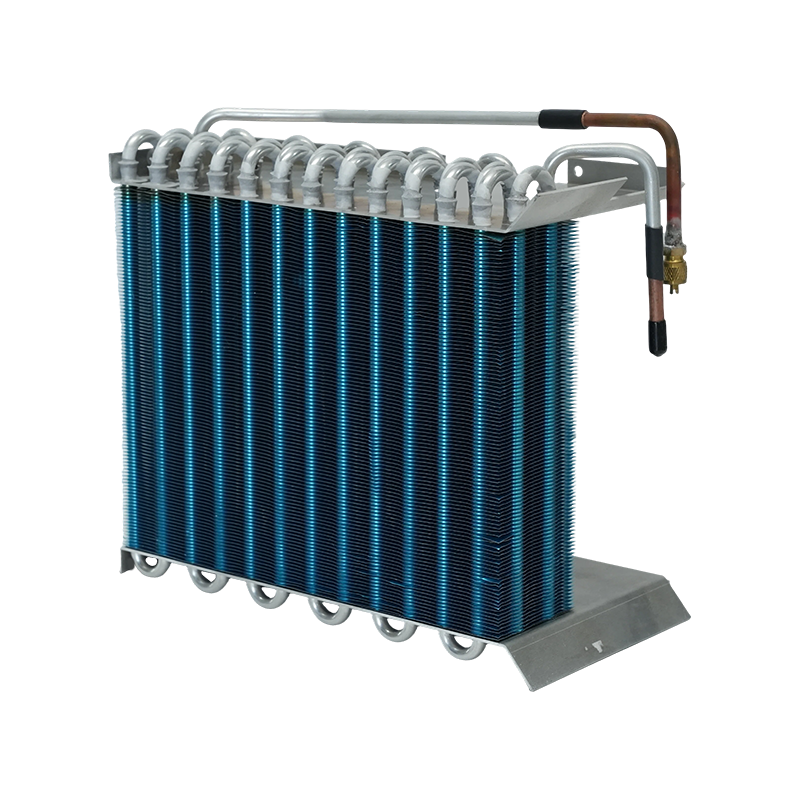
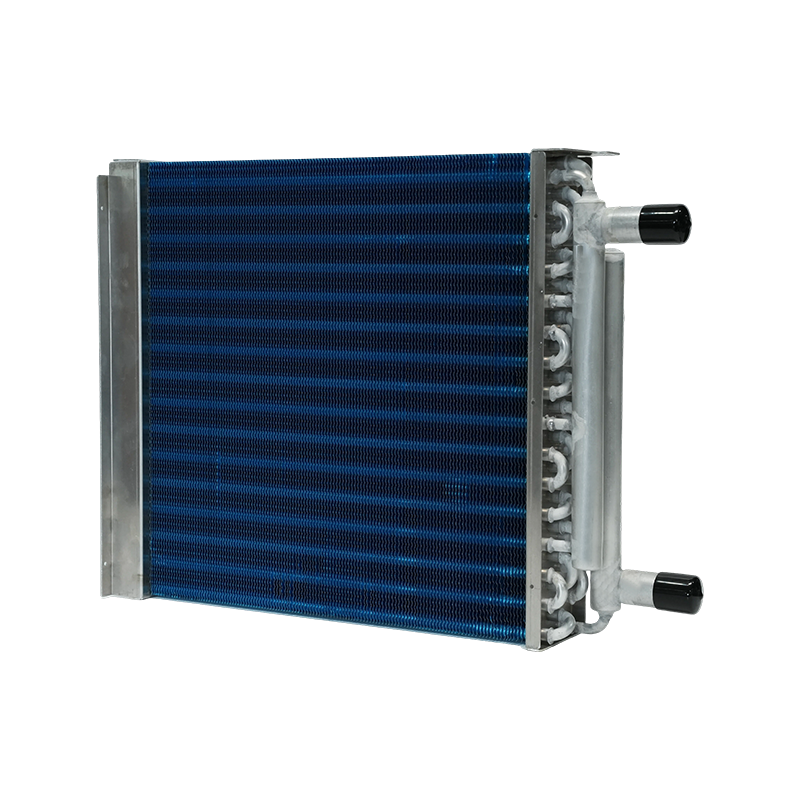
Many HVAC systems lose efficiency not because of refrigerant performance but because airflow is uneven across the heat exchanger surface. Dead zones with insufficient airflow reduce effective heat transfer area, forcing compressors and fans to work harder. A well-designed HVAC Heat Exchanger should maximize contact between air and the fin surface while maintaining balanced pressure loss, allowing the system to achieve high efficiency under varying operating conditions.
Engineers often optimize fin spacing, tube arrangement, and airflow channels together instead of improving only one component. Proper airflow distribution not only increases cooling and heating efficiency but also minimizes frosting in winter operation and reduces energy consumption throughout the year.
- Uniform airflow improves heat transfer across the complete coil surface.
- Balanced pressure drop reduces blower power consumption.
- Optimized airflow lowers operating noise while maintaining thermal performance.
- Better airflow distribution extends the service life of compressors and fans.
Why Aluminum Tube Technology Is Becoming the Preferred Choice for Residential HVAC Heat Exchangers
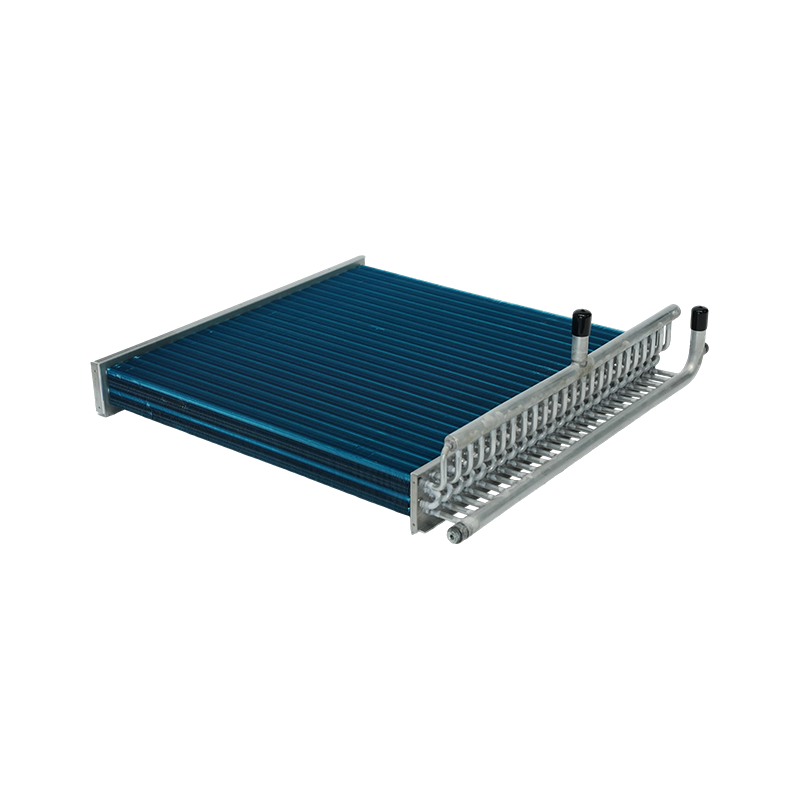
Material innovation has become one of the most important developments in residential HVAC manufacturing. Traditional copper tubes offer excellent thermal conductivity, but modern aluminum tube technology provides significant advantages in weight, production efficiency, and overall manufacturing cost. For large-scale residential HVAC production, lightweight aluminum structures simplify assembly while supporting higher manufacturing capacity.
Hangzhou Yijie Refrigeration Technology Co., Ltd. has specialized in heat exchanger technology for over 12 years and owns multiple core technologies. By adopting high-performance aluminum tube technology, the company successfully breaks through the limitations of conventional copper materials, reducing material costs by more than 30% while providing excellent consistency for mass production. These advantages make its Residential HVAC Heat Exchangers suitable for manufacturers seeking both performance and production efficiency.
Durability Testing Provides More Value Than Laboratory Performance Data
A heat exchanger may demonstrate excellent thermal performance during laboratory evaluation, but long-term durability ultimately determines customer satisfaction. Residential HVAC systems experience thousands of operating cycles throughout their service life, exposing heat exchangers to continuous pressure changes, humidity, vibration, and outdoor weather conditions. Products that maintain structural integrity under these stresses deliver more stable long-term performance.
| Verification Item |
Benefit for Residential HVAC Systems |
| 500-hour salt spray test |
Excellent corrosion resistance in outdoor environments |
| 50,000 pressure cycle verification |
Reliable operation during repeated cooling and heating cycles |
| High compressive strength |
Reduced risk of refrigerant leakage and structural failure |
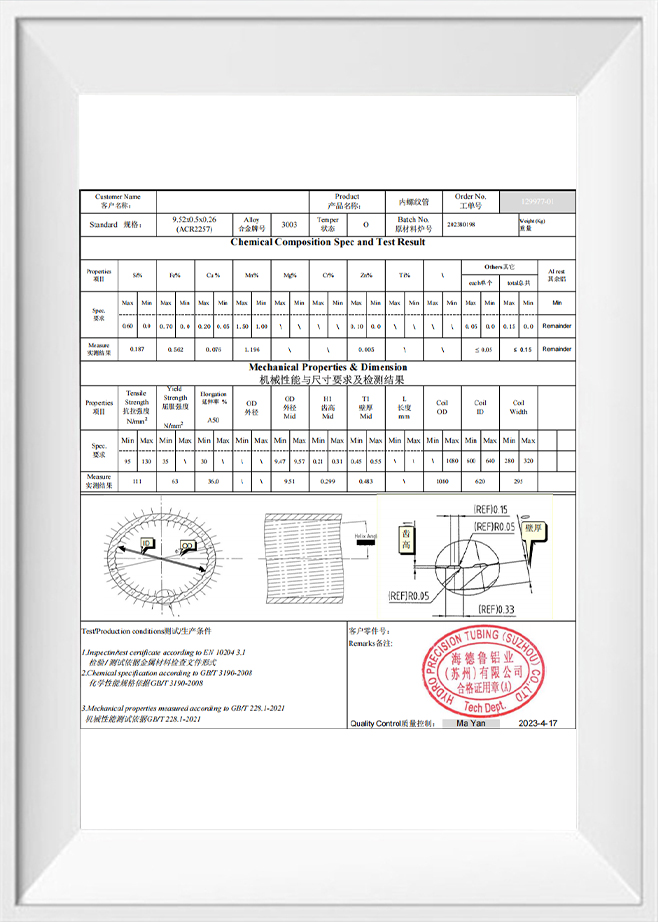
Hangzhou Yijie Refrigeration Technology Co., Ltd. validates every heat exchanger through 500-hour standard salt spray testing and 50,000 pressure cycle verification. Both corrosion resistance and compressive strength exceed national standards, providing dependable performance for residential HVAC applications operating in challenging climates.
Selecting a Home Heat Exchanger Requires More Than Matching Capacity
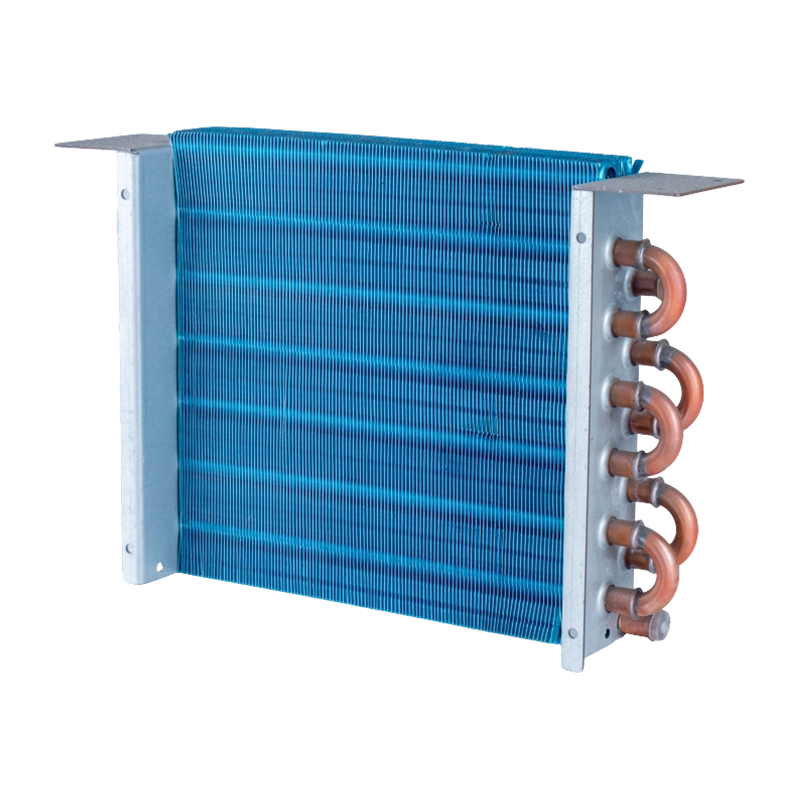
System designers increasingly recognize that simply matching cooling capacity is not enough when choosing a Home Heat Exchanger. Installation space, refrigerant compatibility, airflow characteristics, energy efficiency targets, maintenance accessibility, and local environmental conditions all influence long-term system performance. A customized design can often deliver greater efficiency than a larger standard unit while occupying less installation space.
Because different residential projects have unique operating requirements, customization has become a valuable engineering capability rather than an optional service. Heat exchanger geometry, tube arrangement, fin density, and connection design can all be optimized to achieve better thermal balance and lower operating costs.
Application Experience Across Multiple Industries Strengthens Residential HVAC Development
Technologies developed for demanding industrial environments often improve residential HVAC products as well. Experience gained from automotive air conditioning, cold chain systems, dehumidifiers, environmentally friendly equipment, machine rooms, and warehouse cooling introduces higher durability standards and broader engineering expertise into residential product development.
Leveraging strong customization capabilities, Hangzhou Yijie Refrigeration Technology Co., Ltd. supplies heat exchangers for household air conditioners, automotive air conditioning systems, dehumidifiers, cold chain equipment, eco-friendly equipment, machine rooms, and warehouses. This broad application experience enables the company to continuously enhance the performance of its HVAC Heat Exchanger, Residential HVAC Heat Exchanger, Home Heat Exchanger, and Residential HVAC Heat Exchangers, helping manufacturers deliver reliable, efficient, and long-lasting climate control solutions.

 English
 Español
 عربى
عربى